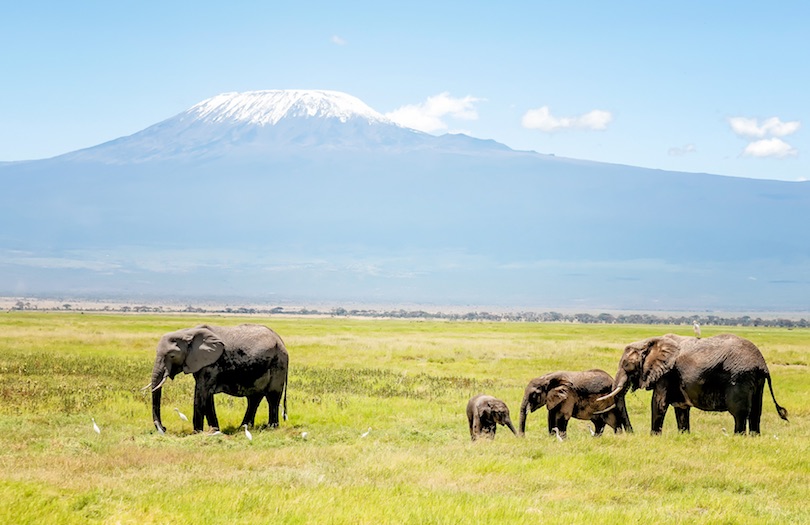
Is Climbing Kilimanjaro Worth It? Mount Kilimanjaro, a massive snow-covered peak, towers over the scorching Tanzanian grasslands. A goal for many hikers, athletes, and environmental enthusiasts, Mount Kilimanjaro is the tallest mountain in Africa and among the world’s tallest mountains. Reaching the peak, which stands at 19,341 feet and has a roughly 50% failure rate, requires a lot of work against steep odds.
Is Climbing Kilimanjaro Worth It? Yes, Mount Kilimanjaro climbing is well worth the effort. Of course, there are risks involved with reaching the top, but these can be easily avoided if you know what to anticipate and follow the appropriate safety procedures. Your chances of reaching the top and getting that breathtaking view increase dramatically with the right planning.
The average individual should climb Kilimanjaro for a number of reasons, making it an experience that is worthwhile to have in their lifetime. But you shouldn’t go up the mountainside and away from the streets. When climbing this peak, there are risks that could endanger life, and there are important yet straightforward precautions that one can take to avoid possibly fatal scenarios or major injuries.
WHY CLIMB KILIMANJARO
There are many reasons why scaling Mount Kilimanjaro should be at the top of your list of things to do, but here are some of the most important ones that will guarantee you get out your hiking boots.
It’s one of the Seven Summits.
Reaching the Seven Summits, which are regarded as the highest peaks on each continent, is the ultimate challenge in climbing. These apparently unceasing summits require skill and determination.
Not only is Mt. Kilimanjaro the highest mountain in Africa, but it also has the distinction of being the tallest free-standing mountain in the world. Thus, reaching the summit of this mountain is an exceptional and world-first experience that any passionate hiker would be thrilled to accomplish.
Arguably the Most Accessible of the Seven Summits
Let’s be clear: ascending Mount Kilimanjaro is not a simple task. Even though it is one of the simpler Seven Summits, that doesn’t mean climbing it will be simple. In actuality, it indicates that Mt. Kilimanjaro is relatively approachable given its height because climbing methods or specialized gear are not needed to reach the summit. Therefore, anyone might theoretically complete the hike as long as they are aware of what to expect from it and are physically capable of covering the almost 40-mile course.
The oldest and youngest people who claim to have climbed Mount Kilimanjaro are proof of this. Coaltan Tanner, who is six years old, became the youngest person to ever summit Mount Kilimanjaro in 2018.
2019 saw Anne Lorimor, then 89 years old, break the record for the oldest climber of Kilimanjaro. Therefore, don’t devalue yourself too soon. You, too, are capable of reaching the summit with the right tools and instructions.
The natural beauty of its surroundings
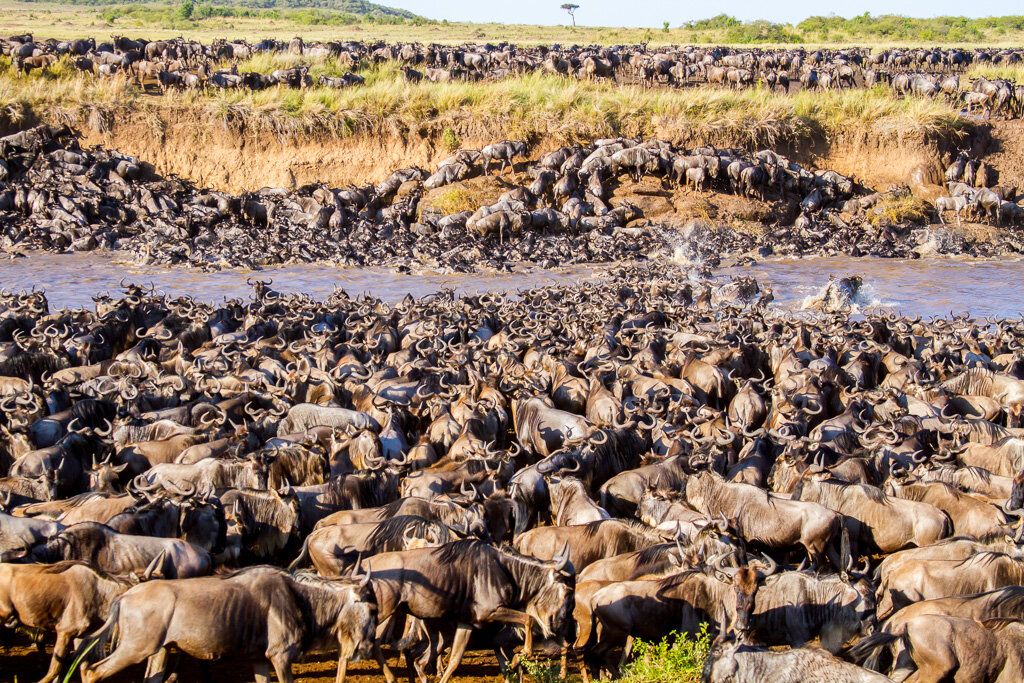
Africa’s distinct geology, animals, and natural diversity make it the ideal location for this amazing hike. In Tanzania, you can witness magnificent cape buffaloes, blue monkeys, red duikers, bushbucks, and leopards scattered across the jungle. If fortune favors you, you may be treated to a view of elephants bordering the rivers. Before you vanish into the skies, make sure to take in the views of the verdant forests and grasslands as you ascend the mountain.
See the ice cap before it melts.
Sadly, there are a number of special places that will change within the next five years. Morning Glory’s colors will eventually fade. The snow-covered summit of Mount Kilimanjaro will never stop melting, and the magnificent city of Venice will never stop sinking. You might want to start organizing your trip as soon as possible if you want to truly feel the thrill of hiking up Mt. Kilimanjaro from its searing base to its cold summit.
WHAT ARE THE RISKS OF CLIMBING MT. KILIMANJARO?
Any hiking experience, no matter how long—five miles or forty—carries some risk. Learning about the risks involved in hiking and what to anticipate in the worst-case situation is the first step in mitigating such risks.
Mt. Kilimanjaro is a dormant volcano.
Three volcanic cones make up Kilimanjaro. Mawenzi and Shira, the first two cones, are extinct and consequently unlikely to erupt. Kibo, the tallest peak, is a dormant volcano because it has the capacity to erupt at any time.
Is it possible that Mt. Kilimanjaro’s Kibo will erupt while you are at the summit, capturing your triumphant photo? No. The volcano last had a large eruption 36,000 years ago, and there hasn’t been any notable activity in about 200 years. But since volcanoes are naturally unpredictable, it’s not beyond the question that Kilimanjaro might see surprise activity.
High Rates of Failure
Approximately half of the 35,000 climbers who attempt to summit Mount Kilimanjaro each year will not make it to the summit. Every year, between 10 and 30 people die on the mountain, and about 1,000 more are rescued. Some may find these figures astonishingly high, given that this trip is supposedly the easiest of the Seven Summits. This is due to two important factors. Altitude sickness and inadequate packing.
Altitude Sickness
Altitude sickness is by far the most significant risk associated with climbing. It arises when a person climbs too quickly before their body has had enough time to adjust to the new environment. Higher altitudes’ reduced oxygen concentrations can have a negative impact on the body, leading to headaches, nausea, weariness, shortness of breath, and dizziness.
Everybody is affected by altitude sickness differently. While some people may just have moderate instances, others may have fatalities. Usually, the simplest method to get rid of symptoms is to descend gradually, which puts an end to the hiking experience. In order to prevent altitude sickness—which will be covered in more detail later—rate of accent is essential.
HOW CAN I REDUCE THESE RISKS?
Almost anyone can climb Mount Kilimanjaro, and the last thing you want after making the long trek to Tanzania is to have to return due to an avoidable illness or equipment malfunction. Here’s a quick precaution you can take to make sure you make it to the top and return safely to the base.
Choose the best route.
One of the six primary routes on Mount Kilimanjaro begins on the northern side of the mountain, while the other five lead to Uhuru Peak, the summit. Once you’ve decided to climb Kilimanjaro, the next step is to select your route. Some hikes are longer for individuals who require more time to acclimate as they ascend, and some are quicker for the competitive hiker who can sprint to the top and back.
We advise you to use the longer route unless you are a seasoned athlete who has been acclimated to the mountain’s height variations. You will be less likely to experience pain acclimating to the gradual drops in oxygen as you go higher if you choose a longer route. This will significantly lower your chance of experiencing altitude sickness on Kilimanjaro, which is the main reason most hikers decide to shorten their incredible adventure.
Pack Appropriately
Climbing Kilimanjaro is similar to strolling through the rain forest, which is unique to the equator, and gradually moving toward the Arctic’s freezing tundra. This mountain normally has a base temperature of 70 to 80 degrees Fahrenheit and a peak temperature of 20 to -20 degrees. You must be prepared for both scenarios. This entails packing a variety of outfits, along with lots of water and food that the firm will supply to endure the trip.
You will also need appropriate camping gear and survival gear (a first aid kit), and since the hike takes over a week, all of your gear should weigh no more than 30 pounds, according to experts, so the porters won’t be overly burdened. It is not possible to climb Kilimanjaro safely without some of these necessities. Thus, before starting this strenuous trip, be sure to look up packing lists and guides. It’s not something you want to stop once you start.
Get the right Kilimanjaro outfitter or guide company.
Accompanying you on your ascent of Mount Kilimanjaro will significantly improve your chances of a successful and safe summit. These people will make sure you are taken care of at every turn because they are skilled and knowledgeable about the routes on this mountain.
They will not only assist with navigation but also make sure you have packed appropriately, have enough supplies for the trip, and have emergency contacts in case you need them. With these guides, you will undoubtedly be in good hands.
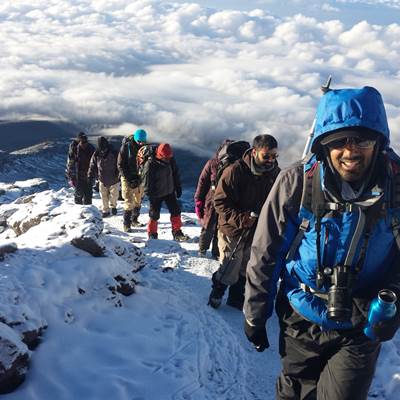
PACKING IS THE KEY TO A SUCCESSFUL CLIMB.
Many novice hikers will hear that Kilimanjaro is a challenging trip that nearly anyone can complete, so they set out on this 40-mile trek without the necessary equipment. The average time to trek Kilimanjaro from its base to its summit is five to nine days. To finish this trek safely, you might not need mountaineering equipment, but you will need plenty of food, water (which the guide company will supply), and basic hiking gear such as:
- Sunscreen
- Sleeping bag
- Waterproof hiking boots
- Trekking poles
- First aid kit
- Headlamps
- Extra clothes
- Shelter
This is by no means a comprehensive list of everything you will need for climbing Kilimanjaro. Even so, even small errors like not drinking enough water can have serious enough repercussions to cause many hikers to abandon their ascent or, regrettably, never return to the summit.
FINAL THOUGHTS
A trip to the summit of Mount Kilimanjaro is unlike anything that most people have ever done. This mountain’s sheer height places you directly above the clouds, and the expansive vistas are breathtaking. You’ll be telling your friends and family about this achievement for the rest of your life, so make sure to pack your camera. Achieving one of the Seven Summits is unquestionably a wonderful experience, provided that you are prudent in your preparations and completely aware of the risks this mountain poses.