What to see in the Ngorongoro Conservation Area beyond the Crater?
The Ngorongoro Conservation Area (NCA) neighbors the Serengeti National Park on its southwest border. And of course, if you’re getting to Serengeti (central) by road from Arusha, you’ll pass through Ngorongoro. Such a proximity to the Serengeti makes it a favorite destination for visitors from this world-famous park.
However, we noticed that most tourists visit this area to descend into the Ngorongoro Crater, the world’s largest unbroken and unfilled caldera. While there’s much to see in this crater – including the Big Five, large wildebeest herds, and more – it’s not the only attraction the Ngorongoro Conservation Area has to offer. Do you want to know about other attractions? Stick with this article to the end. Let’s explore other attractions of the Ngorongoro Conservation Area.
Ndutu Plains
Ndutu lies on the southwestern border of the NCA with the southern part of the Serengeti. Its plains stretch from the highlands to the short-grass southeastern Serengeti plains.
What to see in Ndutu?
Resident wildlife.
The vast plains of Ndutu host many plains game, including wildebeest, buffalo, zebra, impala, hartebeest, and gazelle. There’s a promising number of big cats like lions, leopards, and cheetahs. They prefer staying in rock outcrops, which dot the whole region of Ndutu.
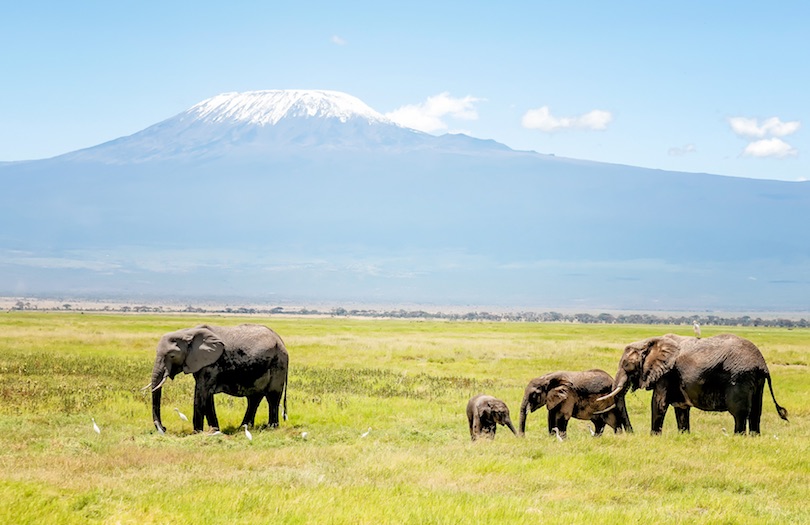
You can also see elephants, jackals, hyenas, bat-eared foxes, hippos (near Lake Ndutu), and many bird species.
The calving season.
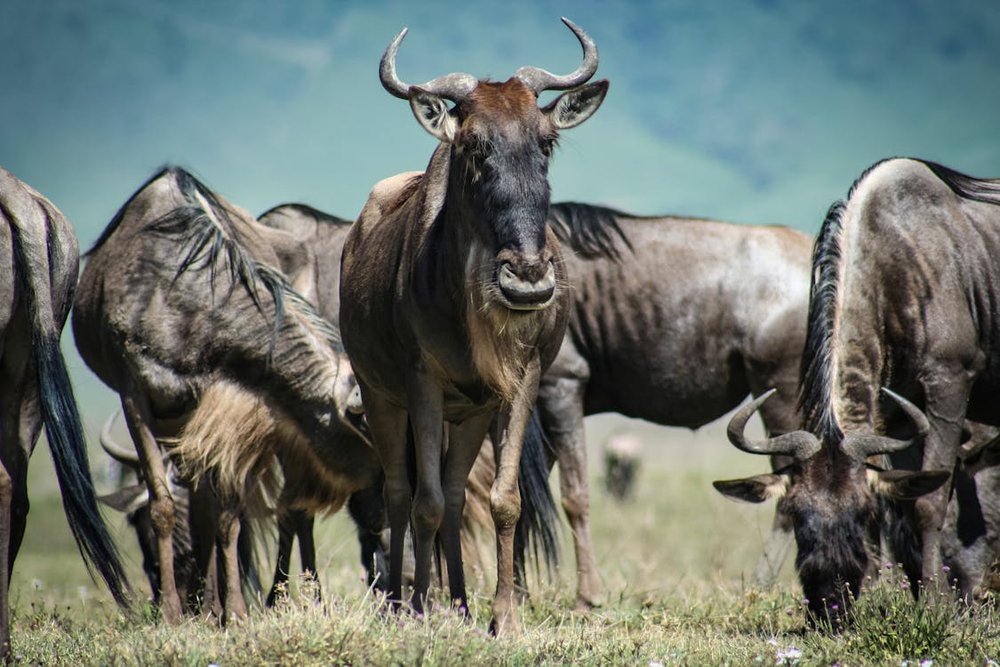
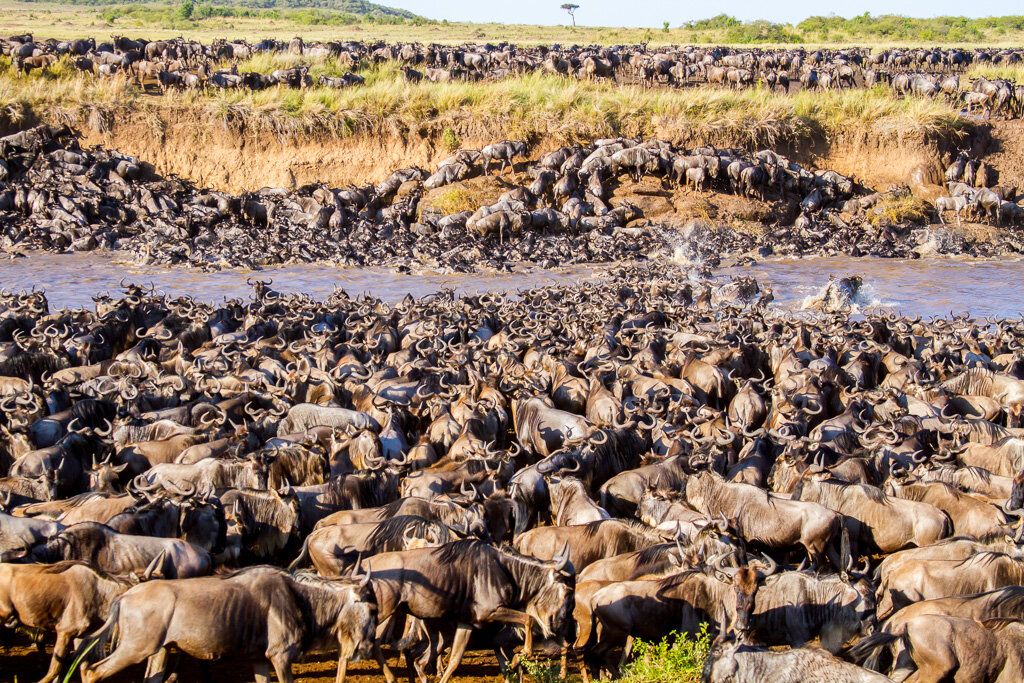
From December to March, the Ndutu plains become a maternity ward for about half a million wildebeest calves. The wildebeest migration starts its early stage in these green plains. There’s a scientific reason for this:
The volcanic eruption of the Ngorongoro Mountains about 2.5 million years ago released volcanic ash and dust. Then, the wind blew these ashes into the Ndutu area and the southeastern plains of the Serengeti. As a result, nutritious grass always grows on this land, attracting the wildebeest. They time their birthing time to coincide with the availability of pasture on Ndutu.
Lake Ndutu
This is a seasonal lake worth seeing in Ndutu. It’s home to many water birds like pelicans, flamingos, and more. You can also spot hippos basking in the sun in early mornings.
The Maasai Communities
The Ngorongoro is not just a haven for wildlife, but for local communities. Here, you’ll meet the Maasai tribe, a charming tribe that has coexisted with wildlife for centuries. They graze their livestock alongside wildlife with no conflict of interest.
What amazes visitors is their unique attire. You might have seen it in a certain fashion show because it’s infamous. They dress in unique bedsheet-like attire called Lubega. Females add beads and other ornaments to their attire.
The Maasai also perform traditional dances during their local ceremonies (and they can do so under a special request). It’s an interesting jump accompanied by beautiful melodies. The Morans circle and start singing while jumping high off the ground.
Lastly, but not least, the Maasai are good artists. They use their hands to craft gorgeous beads, rings, necklaces, and even sandals. Get yourself a collection of these things.
Olduvai Gorge and Museum
The Ngorongoro has been there for millions of years. The Olduvai Gorge proves that. It’s in this stunning geographical area where famous archaeologists Louis and Mary Leakey excavated the skull of Zinjanthropus (Australopithecus boisei), which dates to 2 million years ago.
A few kilometers from the gorge, you find the Olduvai Museum, which houses many historical facts. Here, you can ask questions to the staff to dive deeper into the origin of man. And, you can find a replica of the famous Laetoli Footprints and skulls of many extinct animal species.
The Empakai Crater
This is another crater within the conservation area. On its floor is a soda lake, which accounts for 75% of the entire crater. Here, you can see thousands of pink flamingos on the shallow shores of the lake.
If you climb up its crater rim, you might see Lake Natron and Ol Doinyo Lengai. On the lower slopes, the crater harbors wildlife including lions, leopards, buffalo, elephants, monkeys, and birds.
Therefore, you can engage in activities like hiking, game viewing, sundowning, and birdwatching. And more importantly, you’ll enjoy that away from the crowd.
Laetoli Footprints
It’s an interesting thing to walk in the footprints of our ancestors. Laetoli Footprints are sensational and very inspiring to learn about. The footprints are said to be over 3.6 million years ago.
Early humans stepped on wet volcanic ash, leaving their footprints. Another eruption later on covered the footprints and was unknown until 1974 when Mary Leakey unearthed them. Therefore, you go there to study history and see these wonderful things.
Shifting Sands
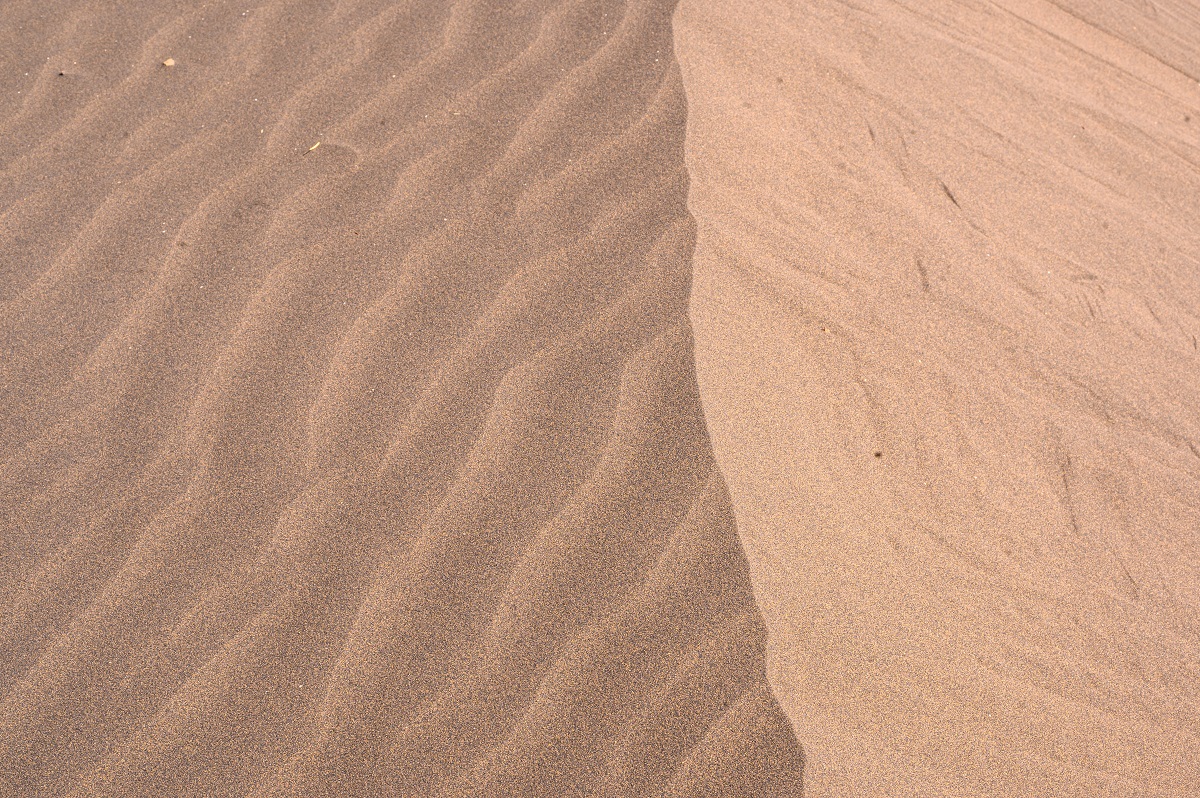
Do you want to see a dune moving? Then, this crescent-shaped black dune will amaze you. At a rate of 15 meters per year, the volcanic dunes move westwards. It’s one of the wonders to behold.
Other places worth a visit in Ngorongoro include Gol Mountains and Sale Plains, Nasera Rock, Endoro Waterfalls, Olmoti Crater, Lolmalasin Mountain, and Olkarien Gorge. You can also visit Lake Natron, Mount Ol Doinyo Lengai, and Lake Eyasi.
The bottom line
There’s always much to explore in the Ngorongoro Conservation Area. Your trip dictates what you should see and what you should skip for your next adventure. But whatever you choose, it will leave you with unforgettable memories.
Are you ready to start planning? Or do you still have questions to ask? Please let us know. Our expert safari planners will help you plan your lifetime adventure.