Tanzania Cultural Tours
Tanzania Cultural Tours introduce you to some of the most diverse cultures in East Africa. Tanzania has more than 120 tribes, each with its own traditions, beliefs, languages, customs, and cultures. Tanzania has a total population of approximately 56 million people, and each belongs to a tribe determined by patriarchal lineage. Cultural tours in Tanzania are frequently combined with Tanzania wildlife safaris, hiking tours, and other safari experiences, as well as exploration of the country’s beautiful beaches and Indian Ocean islands.
To promote Tanzania’s cultural tourism, the government, in collaboration with the Netherlands Development Organisation (SNV), established numerous villages where some of Tanzania’s most authentic tribes can be found. Among these are the Maasai warriors, Africa’s most popular culture; the Chagga of Mto wa Mbu; and the Hadzade and Dotoga of Lake Eyasi, to name a few. Cultural tours in Tanzania to these villages allow visitors to immerse themselves in the culture of these tribes and experience their way of life. The cultural tours also include stops at the village’s schools, hospitals, farms, and other community projects. Cultural Tours in Tanzania will be enjoyable during your safari.
Cultural Attractions in Tanzania
Maasai Bomas Village, Ngorongoro
The Seneto Maasai Boma, located on the western slopes of the Ngorongoro highlands and home to the Maasai of northern Tanzania, is the most popular cultural encounter destination. The Maasai, renowned nomadic pastoralists, are Tanzania’s and East Africa’s most populous ethnic group. Despite modernisation, the Maasai are one of Africa’s tribes that have preserved their culture and traditions. The Maasai frequently move from one location to another in search of water and pasture for their cattle and livestock. The government has encouraged them to practice agriculture on their designated land in the Ngorongoro Conservation Area.
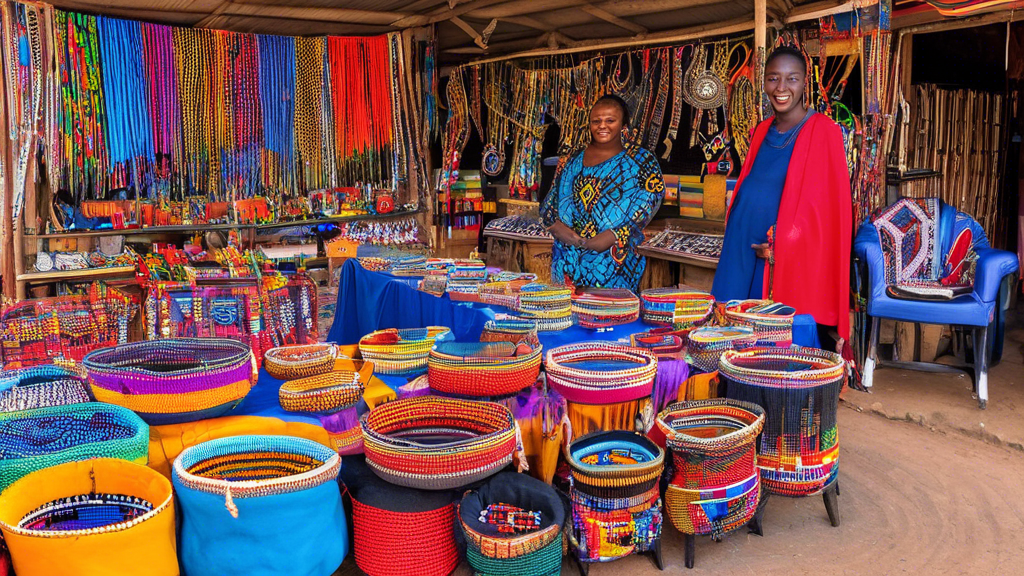
At the Maasai Boma, visitors will tour the huts, meet the locals, and learn about their culture and history. Visitors will also see an exhibition about how they build their houses out of cow dung, mud, and wood, as well as how to milk cows and care for goats and donkeys. Tourists can also participate in spear-throwing competitions and traditional dances, as well as visit some Maasai handcrafted shops for souvenirs. The Tanzania cultural tour to the Maasai Bomas lasts approximately 45 minutes and provides a true cultural experience with the Maasai people. Aside from the Maasai Bomas, other popular Maasai communities in Ngorongoro include Irkeepus village, which can be visited alongside a trek to the Empakaai Crater.
Mto Wa Mbu.
Mto wa Mbu, one of the first cultural villages established, is located at the base of the Great Rift Valley, near Lake Manyara National Park. This is the perfect place to take a cultural tour while on a Tanzania safari in Lake Manyara National Park. The installation of irrigation systems in the 1950s brought Mto wa Mbu, Tanzania’s largest concentration of tribes, to prominence. The Mto wa Mbu cultural tour is an enriched cultural safari that includes a village walk where tourists will visit various villages and learn about the different tribes that live here.
There are various village walks available, ranging from a climb to Balala Hill to a tour of Mount Kilimanjaro’s slopes to see the Chagga people. Visit several local markets and banana beer farms, and speak with local farmers. In addition, visit the Sandawe, who are renowned hunters and speak the same language as the Khoisans; the Rangi from Kondoa, who specialise in basket and mat weaving; and the Mbugwe of Manyara, among others. Tourists will enjoy learning about various traditional practices, including iron smelting, building mud houses and huts, and preparing local cuisines, among others.
Hadzabe and Datoga are from Lake Eyasi.
These tribes, near the shores of Lake Eyasi, are Tanzania’s most primitive. Lake Eyasi is a soda lake in northern Tanzania that borders the Ngorongoro Conservation Area to the south. The lake is located in the foothills of the Eyasi escarpment on the western arm of the Great Rift Valley, surrounded by the Kidero Mountains, and thus offers spectacular scenery. The Hadzabe have lived here as hunter-gatherers for thousands of years and will continue to practice their traditions. The Datoga, on the other hand, are a Nilotic-speaking tribe best known for their eye-catching clothing (bead and brass collars).
The Datoga also have unique tattoos around their eyes, which tourists consider fascinating. The Chagga, Meru, and Nyamwezi are among the other Maasai and Bantu tribes in the region. The Hadzabe and Datoga, like the Maasai, raise cattle. However, the Datoga are very aggressive and frequently collide with their neighbours; despite this, they will be delighted to meet and interact with tourists on Tanzania’s cultural tours. Tourists visiting the Hadzabe and Datoga will learn how to build cattle fences, milk cows, use hunting weapons, and prepare traditional foods and herbs.
Stone Town – Zanzibar
Stone Town, located on the tranquil waters of the Indian Ocean, is one of Zanzibar’s legendary islands. The town is about a 15-minute flight from Dar-es-Salaam and an hour from Arusha, and it is well-known for its fruits, spices, fragrances, and flowers. Stone Town is Zanzibar’s most visited island, with ancient structures and the origin of Swahili culture. Zanzibar was occupied by a diverse range of people over the centuries, including Arabs, Portuguese, Sumerians, Indians, and Egyptians, all of whom had a significant impact on the island’s culture.
The UNESCO World Heritage Site provides thrilling cultural and historical experiences, with visitors learning about the origins of Swahili culture and exploring elegant ancient architectural structures such as churches, mosques, museums, and the town’s narrow streets.
Kilwa
Kilwa is a UNESCO World Heritage Site in Tanzania that includes the historical islands of Kilwa Kisiwani and Songo Mnara, also known as Kilwa Kivinje. Kilwa is located on Tanzania’s southern coast, approximately 6 hours’ drive from Dar es Salaam; scheduled flights by small aircraft connect Kilwa to Zanzibar, Dar es Salaam, and several game parks. Kilwa was a major commercial centre that connected Asia to the African interior via India; it was the hub of the barter trade, where ivory and gold were exchanged for beads, jewellery, cotton, and porcelain.
As early as the ninth century, traders from the Arabian Peninsula and the Persian Gulf settled on the site, leaving cultural imprints in the form of exquisite architecture and Swahili culture that can still be seen today. Kilwa was once the most powerful city on the East African coast, spanning the 12th to 15th centuries. The town dominated commerce from Sofala, Mozambique, to Mombasa, Kenya.
Olduvai Gorge
In 1959, Dr Louis Leakey discovered the skull of the “Nutcracker Man”, also known as Zinjanthropus, at the Olduvai Gorge archaeological site. This fossil, like many others, dates back approximately 2 million years. The UNESCO World Heritage Site, also known as the Cradle of Mankind, is home to the handyman or “Homo habilis” and the Zinjanthropus, both of which are on display in the site’s small museum. The Olduvai Gorge is located on the route to the Serengeti National Park and the Ngorongoro Crater.
Kondoa Rock Paintings
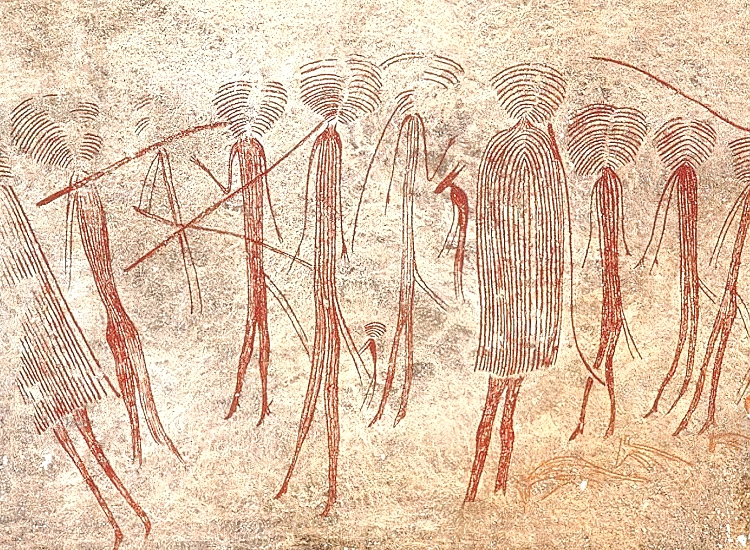
This UNESCO World Heritage site, located in Kolo, about 260 kilometres from Arusha, features ancient rock art depicting both humans and wild animals, such as giraffes, elephants, and elands. The Kondoa Rock Paintings are of high quality and date back approximately 10,000 years. The majority of the paintings are dark red and are attributed to the bushmen, who lived in the area as hunters and gatherers. These bushmen, who were thought to be the forefathers of the Sandawe tribe, communicated through clicking noises. The Sandawe people still live in this area. The website also includes more recent Warangi paintings from approximately 500 years ago.
The Kolo Rock Paintings are approximately 160 kilometres from Tarangire National Park, on the Maasai Escarpment, which borders the Great Rift Valley. Tanzania safaris to Tarangire National Park or the Maramboi and Lake Burungi districts offer a day excursion to view the rock paintings. The tour spans roughly 2 to 3 hours and encompasses a visit to the nearby Pahi highlands.
Bagamoyo
Bagamoyo, 75 kilometres north of Dar es Salaam, was once a major commercial centre on the East African Coast and a popular embarkation point for rural slaves. The German colonists established the centre in the 1880s as their first German East African capital. Bagamoyo is significant in world history because it served as an entry point for Arabs, European missionaries, explorers, and traders from East and Central Africa, as well as for the history of the slave trade. Fortunately, Bagamoyo is currently being considered for designation as a World Heritage site in order to preserve and protect the magnificent Gothic and Afro-Arabic architecture of this historic seaside town.
Tourists on Tanzania cultural tours to Bagamoyo can see the Kaole remains, which date back to the 12th century; the Old Fort, which was built in 1860 to keep slaves on their way to Zanzibar; the first Roman Catholic Church in East Africa, built around 1868; the Livingstone Memorial Church; the German colonial administration headquarters; and the Mission Museum. Furthermore, Bagamoyo’s white sand beaches should not be missed.