Guide To A Maasai Mara Safari
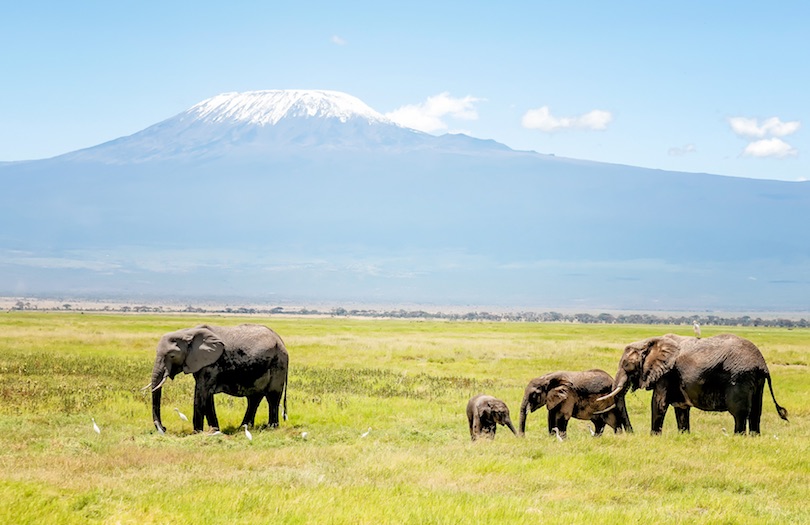
The iconic Masai Mara National Reserve is named from a Maa language word spoken by the Maasai people “Mara” meaning “Spotted”, in reference to how the reserve is dotted with acacia trees, indentations and craters when looked at from the air. The Maasai people are the area’s ancestral residents who lived in the area until it was made a protected area, today the Maasai people still live around the boundaries of the reserve.
Its wide open plains provide an oasis – like sanctuary for an abundance of wildlife like elephants, buffaloes, zebras, giraffes, hyenas and the Masai Mara’s celebrated big cats: lion, leopards and cheetahs. And, from July to November every year, Mara’s savannah provides nourishment for wildebeest herds of epic proportions.
Thousands of visitors come to Maasai Mara National Reserve annually for some of the most authentic safari experience in Africa, this article will guide safari lovers through everything you need to know about the Masai Mara.
- Location And Landscape
Masai Mara National Reserve covers about 370,000 acres in south-western Kenya, and shares unfenced borders with a number of private conservancies which are administered by the Maasai Mara. It is the northern – most part of the Mara – Serengeti ecosystem, famous for the annual Wildebeest Migration.
The landscape of Masai Mara is dotted with thorn trees, kopjes and crater, and the reserve is drained by its major rivers – the Sand, Talek and Mara Rivers. Masai Mara’s terrain is mostly open grasslands with small seasonal rivers.
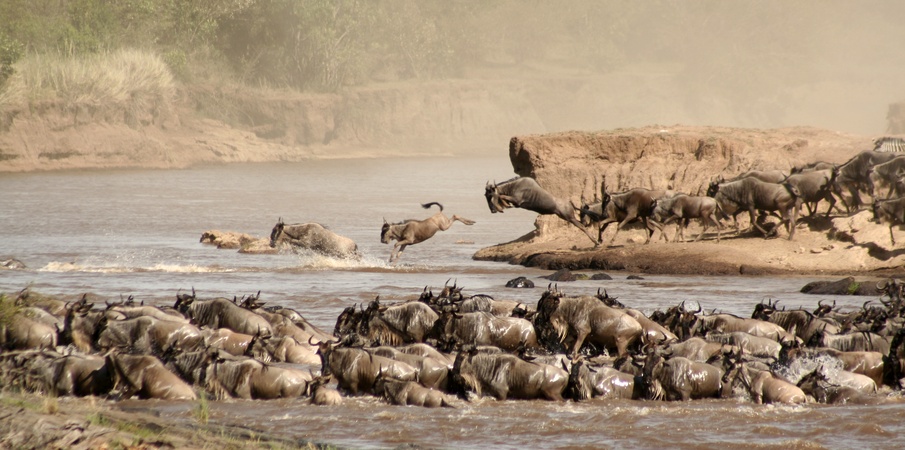
The Mara River provides the most deadly obstacle for the wildebeest herds to cross as they attempt to enter Masai Mara National Reserve about mid-year, however small break-away groups also cross the Talek and Sand Rivers. Outlying stragglers have been known to cross the Talek as late as November.
Visitors on a Masai Mara Safari can also visit the conservancies making the conservancies a far more exclusive and private experience, especially during the peak of the Great Migration. Some of the best accommodation is found in the Mara Triangle, Olare Orok, Naboisho and Ol Kinyei Conservancies.
The land of the conservancies are owned by the local tribal Maasai people and because of this, you will pass the occasional Maasai Manyatta or village and even large herds of beautiful and beloved Maasai Cattle. The conservancies are great examples of where people, wildlife, conservation and domestic livestock have all found a place.
Kenya’s capital and central transport hub Nairobi, situated about 224 kilometers or 139 miles from the Mara’s eastern – most border. Safari goers usually fly into Jomo Kenyatta International Airport to the Mara’s various airstrips. Sometimes you may drop other passengers at one airstrip before heading onto your own- almost like a “bus system” for the bush.
Masai Mara’s classic landscape is golden savannah: flat grasslands with plentiful grazing and the perfect terrain for cheetahs to chase down its prey. But also it has small patches of riverine forest and clumps of trees – over the centuries, elephants have made it possible for much of the Mara clear of trees and forest giving it its distinct openness.
Neighboring Areas
Masai Mara National Reserve neighbors Serengeti National Park in Tanzania to the south, Esolt (Siria) Escarpment to the west, and Maasai pastoral ranches to the north, east and west.
The Masai Mara’s distinctive acacia trees dot the south – east region, while the western border is the Esoit (Siria) Escarpment of the great East African Rift.
- Costs Of A Masai Mara Safari
It is not easy to give the exact cost of a Masai Mara Safari, however there are many factors influencing the budget like the time of the year you travel, how luxurious you would like your stay to be, whether you fly or drive between camps and lodges, whether or not you go private and exclusive, and which extra activities you want to add to your itinerary such as spa treatments, hot air ballooning and cultural visits.
However, we can give you an estimate for a safari in the Masai Mara. The following estimates are based on a price – per – person – per night, including accommodation and transfers.
| 4-star comfort | 4-star luxury | 5-star luxury | |||
| Low | High | Low | High | Low | High |
| $300 – $400 | $350 – $550 | $500 – $550 | $650 – $750 | $900 – $950 | $1000 – $1300 |
At Explore Eco Safaris, we tailor – make safaris that much your budget and personal travel wishes. We create bespoke journeys that make sense for your individual needs – thus no two Masai Mara Safaris will even be the same.
- Best accommodation
Choosing which area of Masai Mara National Reserve to visit influences your Kenya safari experience, the reserve is busiest during the wildebeest Migration (from about July to November) and most of the area’s camps and lodges cater for large numbers of guests.
The concessions to the north of the reserve offer more privacy at luxury tented camps and special activities like walking safaris. The eastern region of Masai Mara is nearest to Nairobi and the accommodation is more geared towards scheduled tour groups.
Accommodation in the Masai Mara ranges from no-fuss mobile camps that move with the wildebeest Migration to old-style tented camps and very luxurious family – friendly lodges.
Some of our favorite picks include
- Governor’s Camp
- Sanctuary
- General Game Viewing, The Wildebeest Migration And Big 5
Masai Mara National Reserve is one of Africa’s top wildlife destinations and Kenya’s flagship conservation Area, it offers excellent year-round game viewing thanks to its diverse population of game like elephant, buffalo, zebras, giraffes, hyenas, elands, gazelles and the Mara’s famous cats – lions, leopards and cheetahs.
The Wildebeest Migration
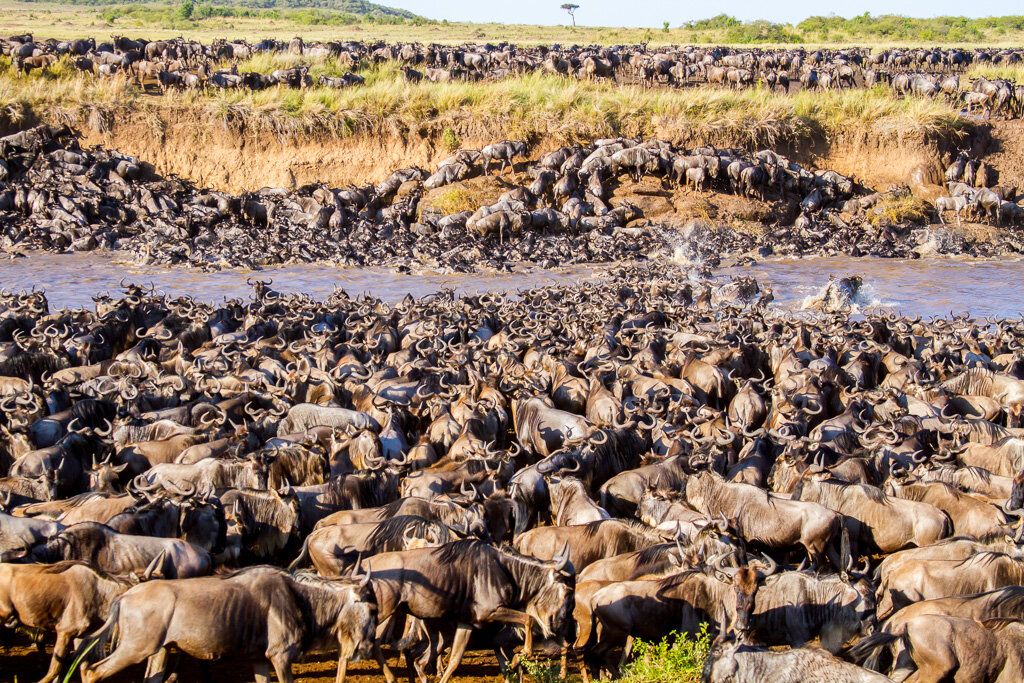
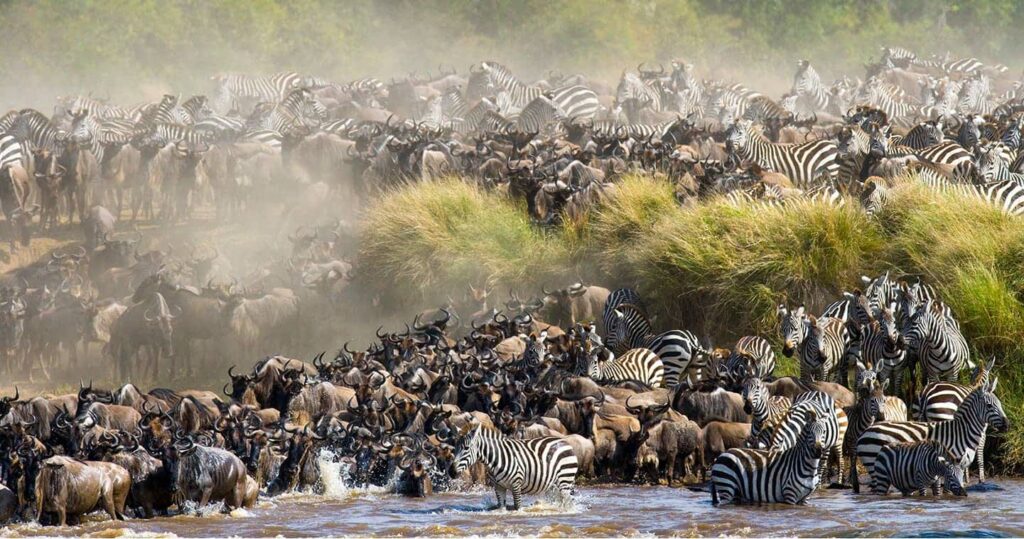
The Mara – Serengeti ecosystem is the playground in which one of the greatest shows on Earth plays out every year. From about July, two million wildebeest traverse the Mara River into the Masai Mara National Reserve to feast on fresh and succulent savannah.
The herds hang out in the Mara until they have devoured its grasslands (around November), and then cross back into the Serengeti to continue mowing East Africa’s mega-lawns.
If you want to see the Wildebeest Migration, keep the following in mind.
- Book your accommodation far in advance, about nine months or more. It is a major safari highlight, so accommodations (camps and lodges) get booked up quickly.
- Rather go private, it is an extremely popular natural event and the reserve can get very crowded.
- It is impossible to predict the Mara River Crossings – the herds don’t ford at the same time and place either. Only the wildebeests decide when its go-time
- Kills are not far the faint-hearted, when the wildebeest arrive en masse, so do the hungry predators
You will also Enjoy
(articles about Great Migration)
The Big 5
Masai Mara is a Big Five Safari destination, although some rhinos still live in the reserve. They are actually quite difficult to find and it is much easier to spot the other members of the Big 5: lions, leopard, elephant and buffalo.
Thanks to the Mara’s flat, wide and open plains, the cheetahs are perfectly adapted to it and this is a great place to see them. Although not part of the Big Five, it is always a highlight to watch these lightning – quick and nimble big cats chase down their prey in the Masai Mara.
Best Time To Go On A Masai Mara Safari
Sincerely speaking there is no real “best time” to go to the Masai Mara for a general game viewing, thanks to its abundant wildlife and mild climate. Maasai Mara National Reserve is renowned as a year-round safari destination because there is almost always something to see on the Mara’s wide and open plains.
The only time when it is not ideal to travel is during Kenya’s “long rains” in April to June. During this period, some safari lodges and camps are closed.
Deciding when to go to the Mara depends on a few factors like your personal schedule, budget and what you want to see and experience.
| PEAK SEASON | LOW/GREEN SEASON | |
| WHEN | July to October | December to April |
| SEASON | Autumn (fall) and winter | Spring and summer |
| WEATHER | Cool with no rain | Hot with afternoon thunder showers |
| WILDEBEEST MIGRATION | Yes | No |
| LANDSCAPE | Dry and dusty | Lush and green, with excellent light for photography |
| GAME-VIEWING HIGHLIGHTS | Wildebeest Migration | Babies and migrant birds |
| RATES | High | Low |
Alternatively, traveling to Masai Mara in the “shoulder seasons” (November and May – June) mans that you will enjoy mild temperatures and excellent general game viewing. The seasons are changing so the weather will be a little bit of everything.