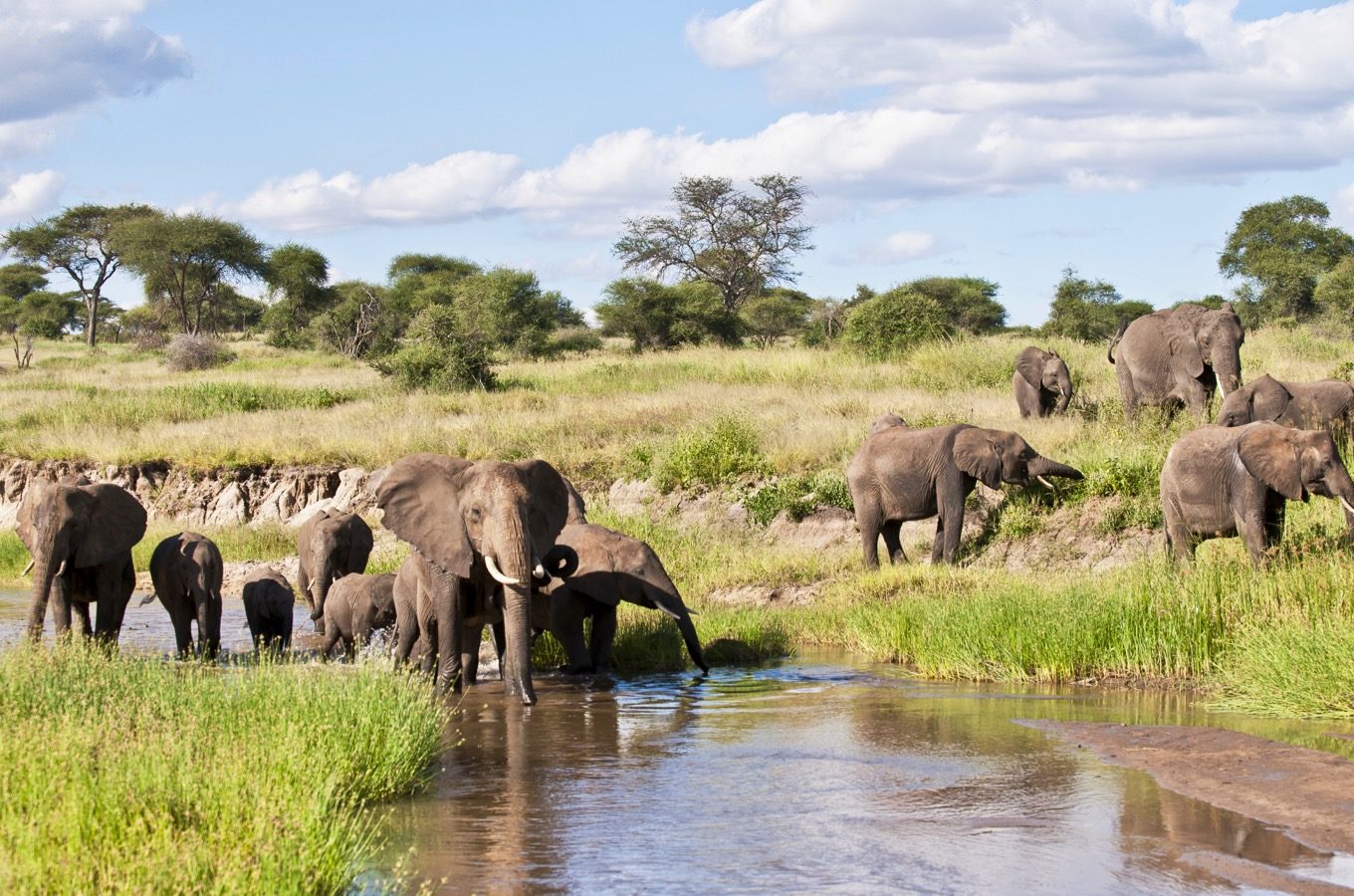
With an area of over 2,850 square kilometers, Tarangire National Park is the fifth biggest national park in Tanzania, after Serengeti National Park, Mikumi, Katavi, and Ruaha National Parks. It was created and gazetted as a national park in 1970. The name Tarangire refers to the river that supplies Lake Burungi’s fauna with water year-round. The park benefits from having only one lake (Burungi), since most of the animals congregate there and provide easy game watching. Tarangire National Park, with over 300 elephant herds, is the only national park in Tanzania with a sizable elephant population.
In addition to having a large population of elephants, Tarangire National Park is home to a wide variety of other animals, plants, and birds that offer visitors a range of excursions both within and outside the park. Tarangire is home to a variety of animals such as lesser and larger kudu, bushbucks, eland, impala, gazelles, waterbuck, buffalo, and many more. Additionally, the park’s sporadic baobab and acacia vegetations facilitate and ease seeing animals.
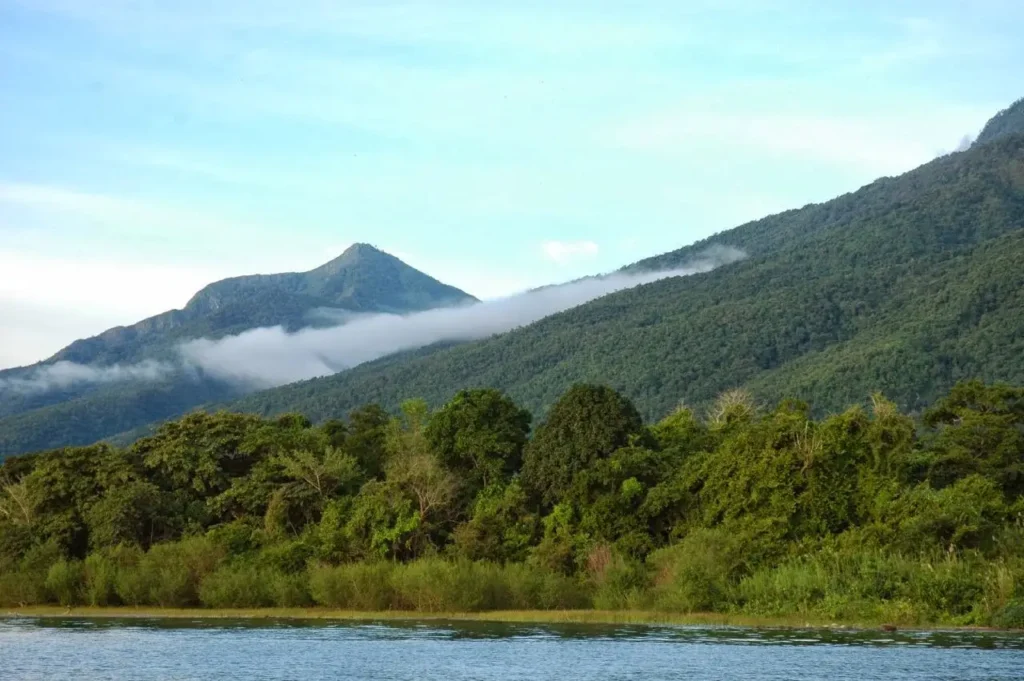
The eastern portion of Tanzania’s huge rift valley is home to Tarangire National Park. The Mto wa mbu game-controlled region, the Mkungunero game-controlled area, and the Kwakuchinja open area make up Tarangire’s ecology.
Tarangire National Park’s location
This national park is located only 118 kilometers southwest of Arusha town. It is one of Tanzania’s northern tourism parks, located near Arusha, the country’s only area with a significant concentration of national parks.
Attractions
Wildlife:
Tarangire National Park is home to a variety of large and small animals, attracting large numbers of visitors each year. The main draw for most visitors to this park is its large population of elephants. In addition to the abundance of elephants, there are several other animals, including gazelles, buffalo, elands, and impalas. These all work to ensure that visitors won’t forget their amazing time seeing animals in the park.
Birds
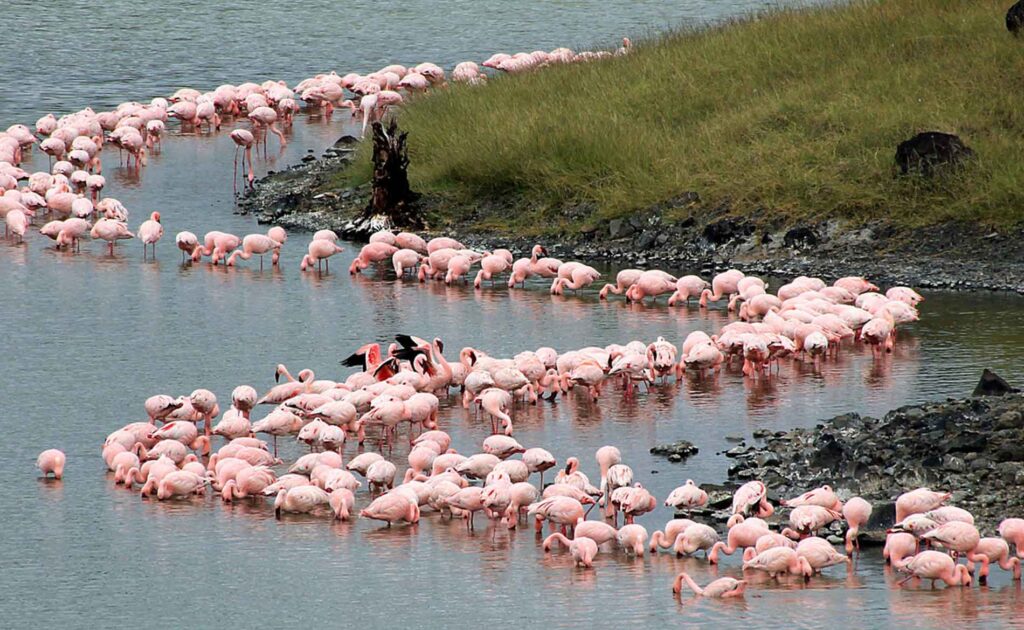
There are over 500 different bird species in Tarangire National Park, offering visitors the opportunity to engage in birdwatching excursions. Birds have been flying in groups from one area of the park to another, and additional bird groups are arriving from nearby lakes, such as Lake Manyara, particularly during the mating season’s migration phase. This beautiful park is home to hundreds of bird species, including doves, hornbills, woodpeckers, and weavers, all of which entice visitors to remain motionless and relish the exceptional bird watching opportunities it provides.
People & Culture
Within park boundaries, there are unique tribes, and some tribes adhere to traditional beliefs that support Tanzania’s growing cultural tourism industry. For instance, the Maasai are the predominant tribe that has managed to preserve its culture in the face of changes in community living and technology. Aside from the Maasai, there are other tribes who continue to practise their barbaiq (mang’ati) tradition. Other tribes, such as the Wambugwe and Wa Iraqw, also contribute to drawing visitors for cultural excursions.
Tarangire National Park Activities
Game Drives
Visitors have the opportunity to drive around the park and see a variety of animals, birds, and tree species. Of special note is the number of baobab trees, which provide an excellent perspective over the park, along with acacia trees. If it becomes necessary, there will be a few stops in areas with a lot of animals. The main purpose of game drives is to observe animals and their habits.
Bird watching
The park offers a great deal of possibilities for birding trips since it is home to over 500 different kinds of birds. Depending on how far away they are from the location of the bird, visitors may see a variety of bird species with either their unaided eyes or binoculars. Because they want to zoom in, the visitors choose to use binoculars in order to get a closer look at the bird or birds, regardless of the distance.
Hot Air Balloon Safari
Tarangire National Park offers balloon safaris for those interested in this adventurous experience. Using hot air balloons, tourists may enjoy breathtaking views of animals and other sights from above.
Walking Tours
Walking tours are available, however because of the potentially dangerous animals, park rangers and other interpreters closely supervise these trips to make sure that guests are protected from the animals. However, guests shouldn’t be concerned about their security.
Accommodation
Accommodation options are available both within and outside Tarangire National Park to accommodate guests who are fortunate enough to visit. There are tour lodges, hostels, and campsites within the park. Ang’ata Tarangire Camp, Tarangire River Camp, Sangaiwe Tented Lodge, Maramboi Tented Camp, Lake Burunge Tented Camp, Tarangire Acacia Luxury Camp, Nimali Tarangire, and Tarangire Simba Lodge are a some of the lodges and camps located in Tarangire.
The best time to visit Tarangire National Park.
The park’s varying climate causes seasonal variations. For example, the park may have fire breakouts during the dry season, which runs from June to October. The park sees less rainfall between December and February, and August to October is the greatest period to view the migratory animals in this corridor. The rainy season runs from November to May as well. However, Tarangire National Park has a wealth of animals all year round.
Getting to Tarangire National Park.
The Tarangire National Park is accessible by plane and vehicle. By car: You can easily reach Tarangire National Park from Arusha or Lake Manyara by taking a tarmac road that leads to the main entrance gate, which is four miles away. After entering Lake Manyara National Park, visitors have the option of continuing on to Ngorongoro Crater and the Serengeti National Park. The majority of the major highways are passable year-round, although some are not, particularly in floodplain and river valley regions during the rainy season.
Tarangire may be reached by air with scheduled private flights from Arusha town, which are mostly arranged by private aviation firms. Additionally, charter flights from Arusha or the Serengeti to Tarangire are arranged.
Tarangire Airstrip and Kuro Airstrip are two of the park’s airstrips.