Samburu National Reserve is a less popular tourist destination in northern Kenya. Because the animals are easily visible, the reserve ranks among the top wildlife viewing spots in Kenya. The wildlife reserve is located on the banks of the Ewaso Nyiro River, 350 kilometres from Kenya’s capital city of Nairobi.
The Samburu National Reserve comprises 165 square kilometres and is located at elevations ranging from 800 to 1230 meters above sea level. Geographically, the reserve is located in Sfamburu County. The reserve is well-known to environmentalists Joy Adamson and George, who fostered the famed lioness that helped lions gain a global reputation. Elephant Watch Camp served as the filming location for the award-winning film “Born Free”. When discussing big cats, one thinks of the common lioness moniker Kamunyak, the only lioness known for adopting Oryx calves.
Habitats of Samburu National Reserve
If one enters Samburu National Reserve by the Buffalo Springs and Ngare Mara gates, one can see the two mountains of Ololokwe and Kitogoro. The reserve’s sole source of water is the Ewaso Nyiro River, whose name means “brown water.” The vegetation around and along the river is a combination of riverine woods and acacia and thorn trees. The reserve’s largest wetland is Lorian wetland, which attracts more aquatic and large species such as elephants and rhinos that prefer to stay in cool places, particularly during the dry season.
Wildlife
Even though the Samburu National Reserve is the least visited of Kenya’s parks and reserves, it is home to more species than most. The reserve’s many environments provide a home for a variety of animal and bird species. The Samburu National Reserve is home to the vast majority of Kenya’s large game.
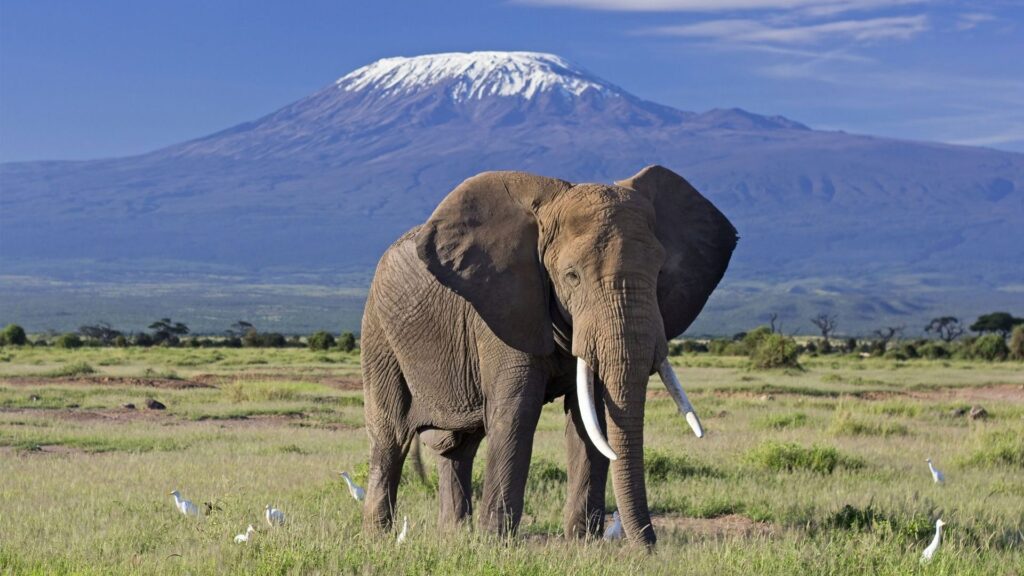
The reserve is also home to large cats such as rare leopards, cheetahs, and lions. The Savannah Plains are home to giraffes, zebras, oryx, elephants, buffalo, gerenuk, warthog, baboons, gazelles, impala, and many other creatures. Samburu National Reserve is home to around 350 bird species, including bee-eaters, several sunbird species, eagles, starlings, hornbills, and vultures, among others.
Climate conditions
Samburu National Reserve is located in a semi-arid environment with a moisture index of more than 42 degrees, indicating a significant evaporation rate. During the dry months, the days are exceedingly hot, while the nights are extremely cold. The daily temperature ranges from 18°C to 30°C, and the average annual rainfall is 355mm. The rainy season lasts from late March to May, with the second rain coming in November, while the dry months last from June to October, with a brief period from December to February.
Activities at Samburu Game Reserve
Game drives
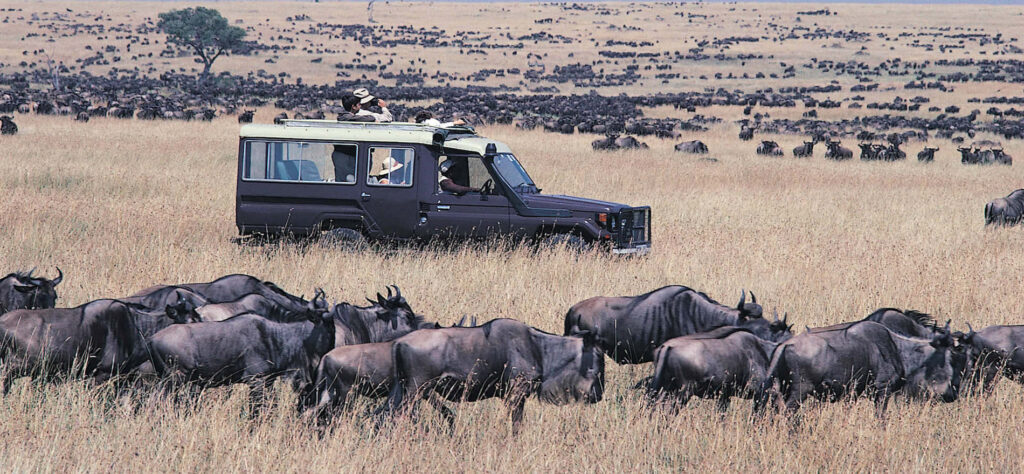
Guests can go on both morning and evening game drives to see African wildlife. Permanent occupants of the reserve include elephants, buffaloes, lions, and other animals.
Birding
The Samburu National Reserve features around 350 bird species, some of which are migratory and others not.
Cultural walks
Visit residents in their communities and participate in traditional activities.
Despite being Kenya’s least visited park, Samburu National Reserve remains one of the most blessed reserves in the region. Samburu National Reserve offers the ultimate African wildlife experience.