Cultural Heritage Sites In Tanzania : Tanzania is a nation rich in cultural history, with a wide variety of ethnic groups, traditions, and customs. Tanzania’s cultural heritage sites, which range from historic archeological sites to colorful cultural festivals, provide an enthralling look into the history, identity, and cultural variety of the nation. We’ll examine some of Tanzania’s most important cultural heritage sites in this thorough guide, emphasizing their historical, cultural, and touristic value.
The Stone Town, Zanzibar:
Stone Town, a UNESCO World Heritage Site on the island of Zanzibar, is well-known for its distinctive fusion of European, African, Arab, and Persian elements. The architecture, gastronomy, and customs of Zanzibar were shaped by this ancient trading center, which functioned as a crossroads of cultures. Explore the quaint lanes, vibrant marketplaces, elaborate mosques, and opulent Arab-style homes in Stone Town, which include the well-known House of Wonders and Palace Museum. The Old Fort, the Forodhani Gardens, and the famous seafront with its dhow harbor are among the other attractions.
Kilwa Kisiwani:
Situated on an island off Tanzania’s southern coast lies the historic Swahili town known as Kilwa Kisiwani. Kilwa Kisiwani was known for its richness, power, and magnificent architecture when it was a bustling commercial port and the epicenter of Islamic culture. Kilwa Kisiwani’s ruins now house mosques, tombs, palaces, and ornate stone buildings from the ninth century. The Great Mosque, the Husuni Kubwa palace complex, and the Makutani Palace are some of the site’s highlights. Kilwa Kisiwani, a UNESCO World Heritage Site, provides evidence of the Swahili Coast’s rich marine and cultural past.
Bagamoyo:
Situated on Tanzania’s mainland, Bagamoyo is a historic town steeped in history as a hub for trade, slavery, and cross-cultural interchange. As a significant port and slave market in the 19th century, Bagamoyo connected the interior of East Africa with the Indian Ocean. Today, tourists can explore Bagamoyo’s museums, buildings from the colonial era, and cultural heritage sites, including the Old Fort, the Kaole Ruins, and the Caravan Serai. With a plethora of galleries, workshops, and cultural events honoring Swahili music, dance, and storytelling, Bagamoyo is renowned for its thriving arts sector as well.
Engaruka Archaeological Site:
In northern Tanzania’s Great Rift Valley sits the archeological site of Engaruka. Engaruka, home to the Maasai and other indigenous peoples, was a prosperous agricultural community that dates back to the fifteenth century. Large stone terraces, irrigation channels, and the remains of homes, granaries, and cattle enclosures may all be found at the location. These antiquated farming methods and water management techniques offer important new perspectives on East African farming and land use history. Engaruka is a fascinating location for history buffs and cultural tourists, and it is recognized as a UNESCO World Heritage Site.
Olduvai Gorge:
The Cradle of Humanity, or Olduvai Gorge, is one of the most significant paleoanthropological sites on Earth. Situated in the northern Tanzanian Serengeti plains, Olduvai Gorge has produced fossilized remnants of millions of years-old early human ancestors, such as Homo habilis and Australopithecus boisei. A UNESCO World Heritage Site and a must-visit location for anybody interested in anthropology, archaeology, or natural history, Olduvai Gorge’s discoveries have transformed our understanding of human evolution and prehistory.
Sukuma Cultural Center, Bujora:
The Sukuma Cultural Center is devoted to conserving and advancing the cultural legacy of the Sukuma people, who make up the majority ethnic group in Tanzania. It is situated close to the town of Bujora in northwest Tanzania. The center showcases Sukuma music, dance, art, and oral traditions through displays, relics, and traditional Sukuma buildings. Through guided tours, cultural performances, and interactive workshops, visitors can gain knowledge about Sukuma customs, rites, and social organization. Tanzania’s rich cultural legacy is resilient and vibrant, as seen by the Sukuma Cultural Center.
Chumbe Island Coral Park:
Off the coast of Zanzibar lies Chumbe Island Coral Park, an eco-lodge and marine protected area. The island is home to a wide diversity of marine life, mangrove forests, and an immaculate coral reef ecology. While snorkeling, diving, and guided reef walks are available for visitors to Chumbe Island, they may also learn about sustainable tourism practices and coral reef protection. In addition to providing eco-friendly lodging in traditional bandas (thatched-roof huts), the eco-lodge also hosts cultural events and educational programs that promote environmental stewardship and Swahili history.
Makonde Plateau:
The Makonde people, who are renowned for their elaborate woodcarvings and creative customs, are found in southeast Tanzania, close to the Mozambique border, on the Makonde Plateau. The plateau is scattered with Makonde communities, where guests can participate in traditional Makonde festivities, dancing shows, and woodcarving classes. The artistic legacy of the Makonde people is on display in galleries and craft fairs across the area, giving guests the chance to buy one-of-a-kind souvenirs and help out local craftspeople.
Kondoa Rock Art Sites:
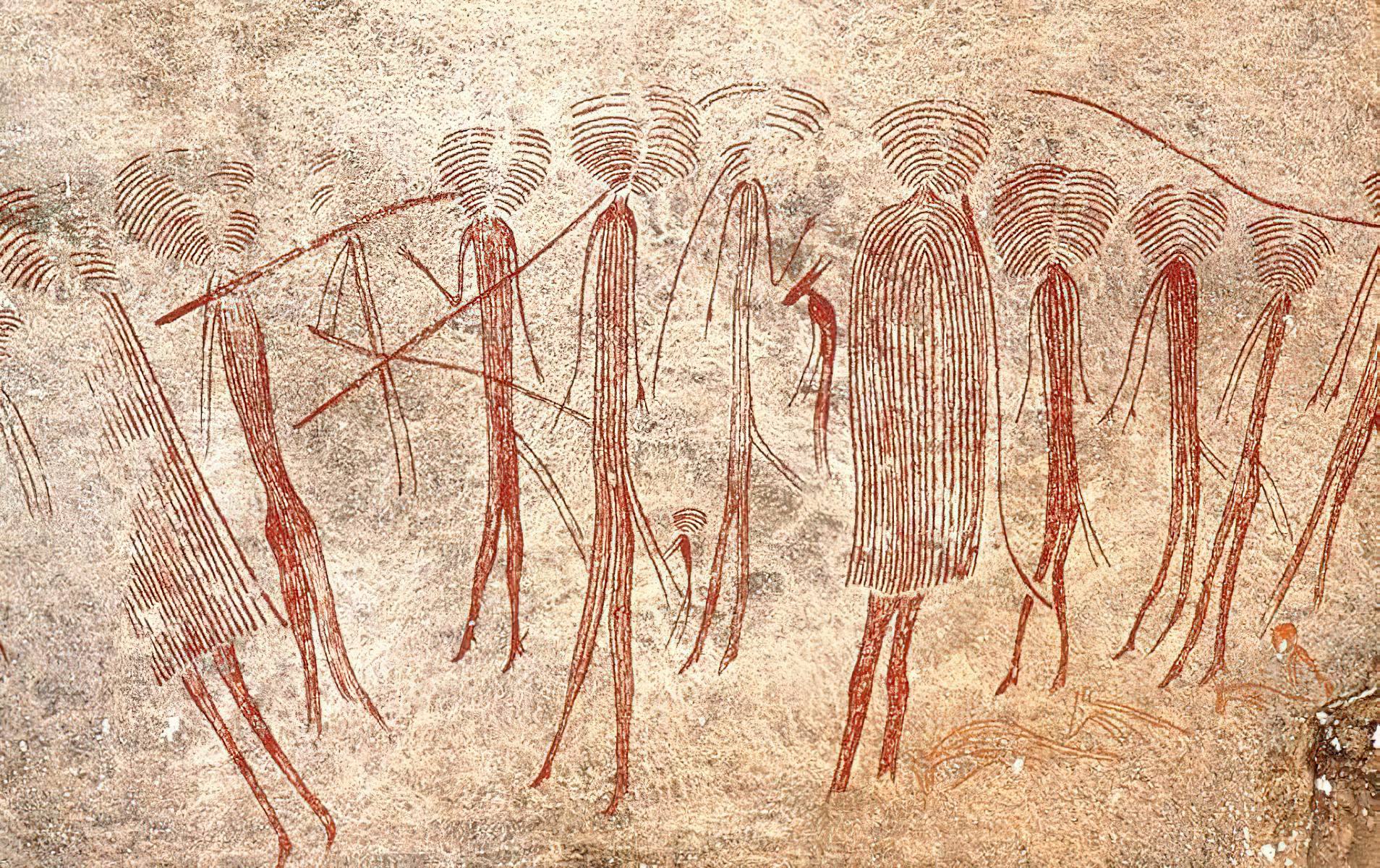
The Kondoa Rock Art Sites are a collection of prehistoric rock drawings that date back thousands of years and are situated in central Tanzania. They are made up of a number of rock shelters and caves. These ancient artworks provide important insights into the customs and beliefs of Tanzania’s early settlers. They show images of daily life, hunting, and religious rites. The rock art sites are evidence of Tanzania’s indigenous peoples’ artistic and cultural legacy and are recognized as UNESCO World Heritage Sites.
Maasai Cultural Villages:
By visiting cultural communities and homesteads across Tanzania, tourists can get a taste of the Maasai people’s traditional way of life. Discover Maasai habits, traditions, and daily activities, such as cattle herding, beadwork, and traditional ceremonies like weddings and rites of passage, through these genuine cultural experiences. Through guided tours, cultural events, and homestays, tourists can better understand the Maasai people’s resilience, adaptability, and rich cultural legacy.
CONCLUSION: CULTURAL HERITAGE SITES IN TANZANIA
In conclusion, tourists can discover Tanzania’s unique cultural mosaic and establish a connection with its rich cultural legacy by visiting the country’s cultural heritage sites, which offer a rich tapestry of history, art, architecture, and custom. Tanzania’s cultural heritage sites provide visitors with unique experiences and insights into the past, present, and future of the nation, whether they want to explore ancient ruins, take part in cultural festivals, or engage with local communities.