Explore Tanzania Southern Safari Circuit.
The Southern Tanzania safari circuit is the epitome of wilderness adventure; it includes some of Africa’s last undeveloped swaths of bush, as well as a few exclusive national parks and reserves.
Tanzania has four safari circuits: the northern, the southern, the eastern, and the western. The Northern safari circuit includes well-known and frequently visited destinations such as the Serengeti, Arusha, Ngorongoro, Lake Manyara, and Tarangire national parks. In contrast to other circuits, such as the southern safari circuit, which is less congested and provides a more secluded safari experience, the Northern Safari Park is constantly congested, which is its main disadvantage. The Southern Tanzania safari circuit is the epitome of wilderness adventure; it includes some of Africa’s last undeveloped swaths of bush, as well as a few exclusive national parks and reserves.
Tanzania’s southern parks provide an authentic bush safari experience because there are fewer safari tourist vans than in the northern Serengeti National Park and Ngorongoro Crater Parks. Safari parks in southern Tanzania have more expensive accommodations due to their intimacy and emphasis on catering to small groups. Lodges in Southern Tanzania offer a variety of wildlife viewing options, such as boat safaris, walking safaris, and camping under the stars.
For first-time visitors to Tanzania’s Northern Safari Circuit, the Serengeti National Park and the Ngorongoro Conservation Area are popular destinations. However, when planning a safari vacation in Tanzania and Africa, keep in mind that the lesser-known (and less-visited) Southern Safari Circuit has its own set of attractions. Tanzania’s Southern Safari Circuit parks and reserves are the stuff of adventure, with their remote locations, incredible wildlife diversity, and significantly less crowding. Consider going on a monkey hike through pristine jungle or a solo safari drive across the savannah.
The Southern Circuit offers all of this and more, making it one of Africa’s best safari destinations. So, in this guide, we’ll look at some of the parks you might visit on the Southern Circuit, as well as the best time to go. What places should you visit during your safari in southern Tanzania? The following is a list of Tanzania’s Top Places to Visit on the Southern Safari Circuit, along with 5 facts about the Tanzanian safari circuit.
Destinations in Tanzania’s southern safari circuit
Selous Game Reserve
The Selous Game Reserve is one of Africa’s largest, covering more than 30,000 square kilometres and designated as a UNESCO World Heritage Site. The incredible diversity of animals that can be found there includes numerous lions, hippos, wildebeest, zebra, and giraffes, as well as sizable populations of buffalo and hippos. The Selous Game Reserve is home to approximately 440 species of birds, including trumpeter hornbills, enormous kingfishers, migrating Malagasy squacco herons, and African skimmers.
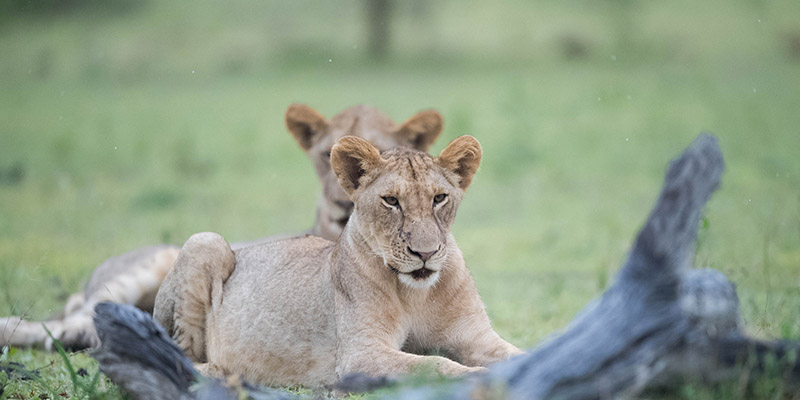
The majority of wildlife and bird observations occur along the Rufiji River, but the reserve also includes Acacia savannah, wetlands, and vast Miombo woodlands, the majority of which are undeveloped. Investigate the southern safari circuit in Tanzania. Walking safaris are permitted in the Selous Game Reserve, but night game drive safaris are prohibited. This allows you to get closer to animals that would otherwise be startled by the jeep’s engine. You can go fly camping, which involves spending the night in an improvised camp amidst the breathtaking Selous environment, as well as daytime game drives.
Ruaha National Park
Ruaha, one of Tanzania’s largest national parks, is located in the country’s geographical centre and covers more than 20,000 square kilometres. It includes the Great Ruaha River and the Usanga Game Reserve’s wetlands, which support a diverse range of species. It was established in 1910, while Germany was in power. Despite having a much wider range of animals and plants than the Selous Game Reserve, Ruaha National Park receives far less tourism. Those who do visit will be rewarded with breathtaking safari escarpments and a landscape dotted with baobab trees.
Ruaha National Park is home to a large number of predators, including lions, leopards, and cheetahs, as well as one of East Africa’s largest elephant populations. The park also has buffalo, giraffes, and sable antelope, as well as hippos, wild dogs, and Grant’s gazelles. Birdlife International classifies the Usanga Basin as an Important Birding Area, with over 570 species currently known to exist there.
Ruaha’s red-billed hornbills are native to the park, but migratory birds from Australia and Asia frequently stop here to rest and replenish. Early morning or late afternoon viewings of Ruaha’s magnificent wildlife are possible, but night safaris are not permitted, and only a few lodges offer walking safaris. However, it has a large selection of luxurious campgrounds and lodges with all of the amenities you’ll need for a relaxing vacation.
Mahale Mountains National Park
Mahale Mountains National Park is located along the shores of Lake Tanganyika. It is named after the Mahale Mountains, which are within its borders and famous for their chimp population. It is regarded as one of Tanzania’s most beautiful parks and the only location in Africa where lions and chimps coexist.
The park can only be reached by boat because there are no roads leading into or out of it, adding to its sense of remoteness and lack of crowds. Investigate the southern safari circuit in Tanzania. Vervet monkeys, red colobus monkeys, and yellow baboons are some of the primates that can be found in Mahale Mountains National Park. The approximately 1,000 chimpanzees, particularly the Mimikere clan, which has become accustomed to the presence of scientists since 1965, are what draw visitors.
The best time to go trekking is usually near the end of the dry season (between August and October), when the trails are drier and less slick. The main way to explore Mahale Mountains National Park is through guided excursions. Chimpanzee trekking safaris in the wild can range from a 20-minute stroll to a longer, more difficult walk lasting several hours, depending on where they are that day. Wild animals are unpredictable, so sightings are never certain. On most days, however, you may see chimpanzee clans foraging, caring for, and grooming their offspring. This is a very memorable animal encounter.
Udzungwa Mountains National Park
The 1,900-square-kilometre Udzungwa Mountains National Park, which borders Mikumi National Park, is home to tropical rainforest, miombo woodland, grassland, and steppe. Its astonishing diversity includes over 2,500 plant species, 400 bird species, and six primates. Elephants, buffalo, lions, and leopards live on the plateau, in addition to the Iringa red colobus and Sanje crested mangabey.
Only guided hikes are permitted to enter or exit the park, and these can last anywhere from an hour (the Sonjo trip) to six days (the Lumemo Trail). Most visitors choose to climb for six hours at the 170-meter-high Sanje Waterfalls, which also feature a plunge pool where they can relax. The park’s only housing option is camping, but nearby Mang’ula village has a number of regional guesthouses. Most visitors combine their safari to the Udzungwa Mountains with a visit to the nearby Mikumi National Park, which is about an hour’s drive to the north.
Mikumi National Park
The “Big Five” can be found in Mikumi National Park, which is one of the easiest to get to from Dar es Salaam and spans 3,230 square meters between the Selous Game Reserve and the Udzungwa Mountains. The landscape is often compared to the Serengeti National Park due to its vast grassland and distinctive palms, baobabs, and acacias.
Mikumi National Park is where you can learn about Tanzania’s Southern Safari Circuit’s wildlife. It is home to elephants, zebras, wildebeest, baboons, and a rare giraffe subspecies. Mikumi is well-known for its lion and hippo pools, which allow visitors to get up close to these animals. It also has over 400 species of birds. Because of its accessibility and excellent wildlife viewing, it is the best Tanzania safari trip option for those with limited time. There are a few hotels and camps where you can stay overnight, and there is a good network of game-viewing roads for early morning and late afternoon safaris.
Activities to Add to Your Tanzania Southern Safari Circuit
Saadani National Park offers a magnificent combination of beaches and forests. It is possible to travel by car or charter jet from Dar es Salaam to Saadani, which is located in the Indian Ocean. Walking and boat safaris are both popular, and you can see lions, elephants, giraffes, buffalo, warthogs, hippopotamuses, crocodiles, greater kudus, elands, sable antelope, yellow baboons, and vervet monkeys.
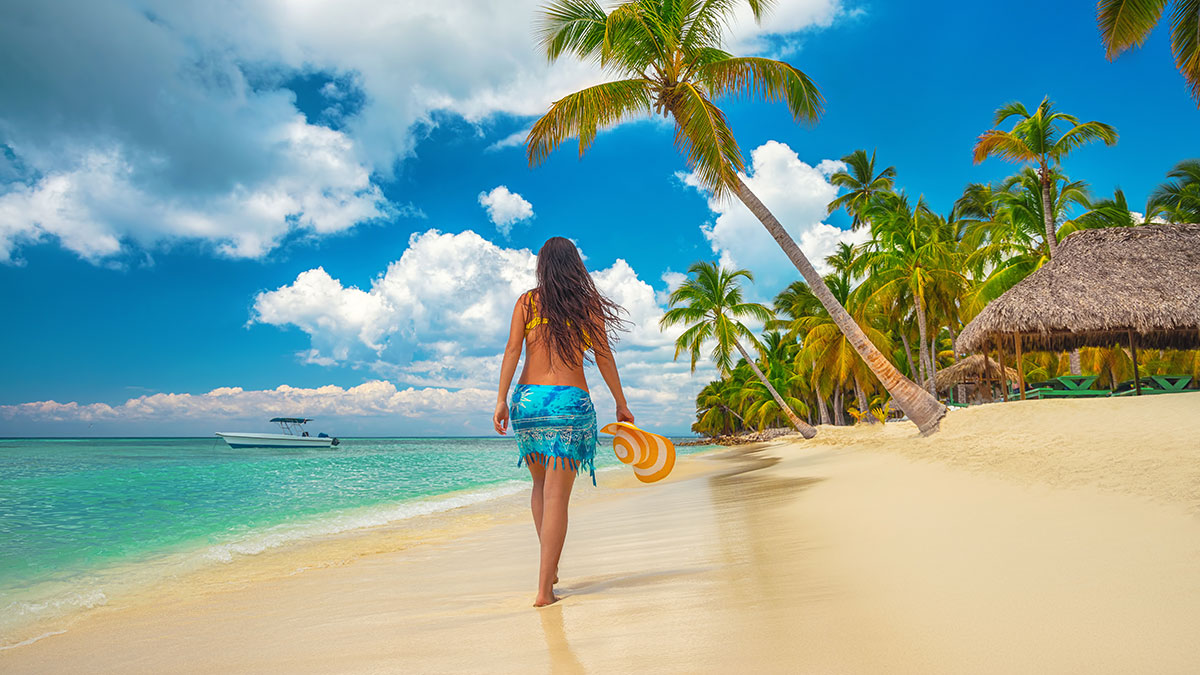
The most well-known of the more than 50 islands that comprise the Zanzibar Archipelago is Unguja, also known as Zanzibar. After a wildlife safari, trips to one of the islands are fairly common. Stone Town, a maze of narrow streets lined with palaces, mosques, and shops, has been designated a World Heritage Site by UNESCO. The beaches on the islands have pure white sand and are surrounded by palm trees. The sea is shallow and tropical, and the reefs are ideal for diving and snorkelling. Investigate the southern safari circuit in Tanzania.
Why Should You Visit Southern Tanzania’s Safari Circuit?
Safari enthusiasts highly value Southern Tanzania safaris for a variety of reasons. These areas have a diverse and dense wildlife population, including a unique fusion of eastern and southern African species. Additionally, there is a lot of predator activity, making these areas ideal for game viewing. Additionally, open-sided safari vehicles improve the viewing experience when compared to closed-sided vehicles used in the north. Second, unlike the more crowded northern parks, the large parks and reserves give visitors a better sense of the scale of the African wilderness, as well as an uncluttered, more intimate wildlife viewing safari with fewer other cars and tourists. Tanzania’s south and west offer a broader range of safari activities than the north’s tightly restricted national parks, in addition to the regular afternoon game drives.
Walking, kayaking, fly camping, and even mountaineering are among the safari activities used to locate wild chimps. The Serengeti and Ngorongoro Craters in Tanzania’s north, which are more well-known and renowned, frequently cast a shadow over the south and west. We would, however, disagree with certain travel professionals who argue that the south and west are better suited to experienced safari travellers and should not be recommended for beginners. Many first-timers who visited southern Tanzania thoroughly enjoyed their safari trips.
How to Get Around on Tanzania’s Southern Safari Circuit?
Because Selous Game Reserve and Ruaha National Park have daily scheduled light aircraft flights from Dar es Salaam, it is relatively simple to plan safaris of any length in these parks and combine them with beach activities on either the mainland coast or Zanzibar.
The west of Tanzania is further away geographically and logistically; there are only two expensive flights per week from the northern cities of Ruaha and Arusha. Travelling to the far west can cost over $1,000 per person. There are parks here, such as Katavi and Mahale. The southern and western camps are less expensive than the northern parks, with rates ranging from approximately $450 to $1,000 per person per night.
Best time to travel
Because wildlife congregates near the few available water sources in the parks and reserves, the dry season, which runs from June to October, is frequently the best time to visit the Southern Tanzania safari Circuit. The bright, sunny skies make it an ideal time to go on game drives, and there are typically fewer insects at night than during the rainy season. Explore Tanzania’s Southern Safari Circuit.
If you enjoy birdwatching, consider going during the wet season, which runs from November to May and brings migratory birds from all over the world to the wetlands. While most parks will experience brief rains that should not have a significant impact on tourism activities, it is important to note that trekking paths in the Mahale Mountains and Udzungwa Mountains National Park can become very muddy and dangerous.