Guide to Tanzania Safari Cost 2026
Tanzania is regarded as the Ultimate bucket-list destination by many safari and wildlife enthusiasts; an all-inclusive 4-day Tanzania safari to Serengeti National Park in 2024 will cost upwards of US$ 1,999 per person sharing, excluding international flights, pre- or post-safari accommodation, tips and other optional expenses.
Included in this package price are accommodation and meals, airport transfers, flights to and from the Serengeti, the services of a professional guide and twice-daily game drives, along with all park fees and taxes.
Why Is A Tanzanian Safari so Popular?

Ever since the adventurous tales of Roosevelt, Hemingway and Blixen brought the notion of an African adventure vacation to popular consciousness, the East African country of Tanzania has enjoyed a reputation for delivering an exceptional, all-but-guaranteed wildlife extravaganza.
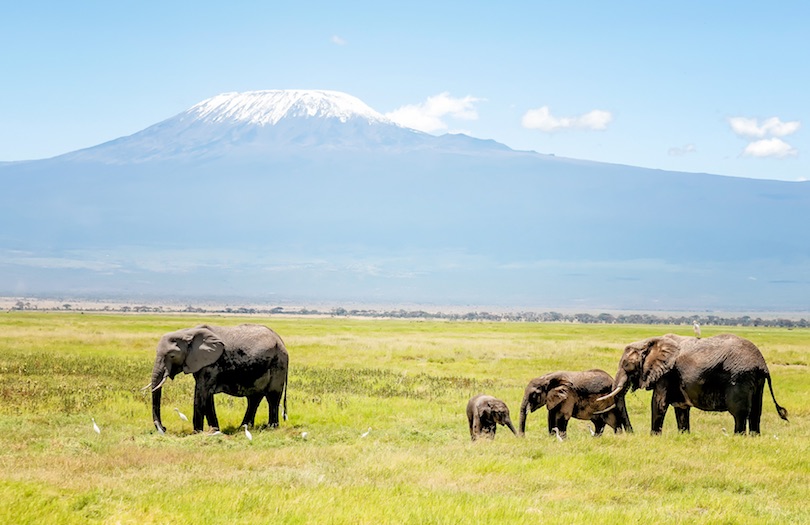
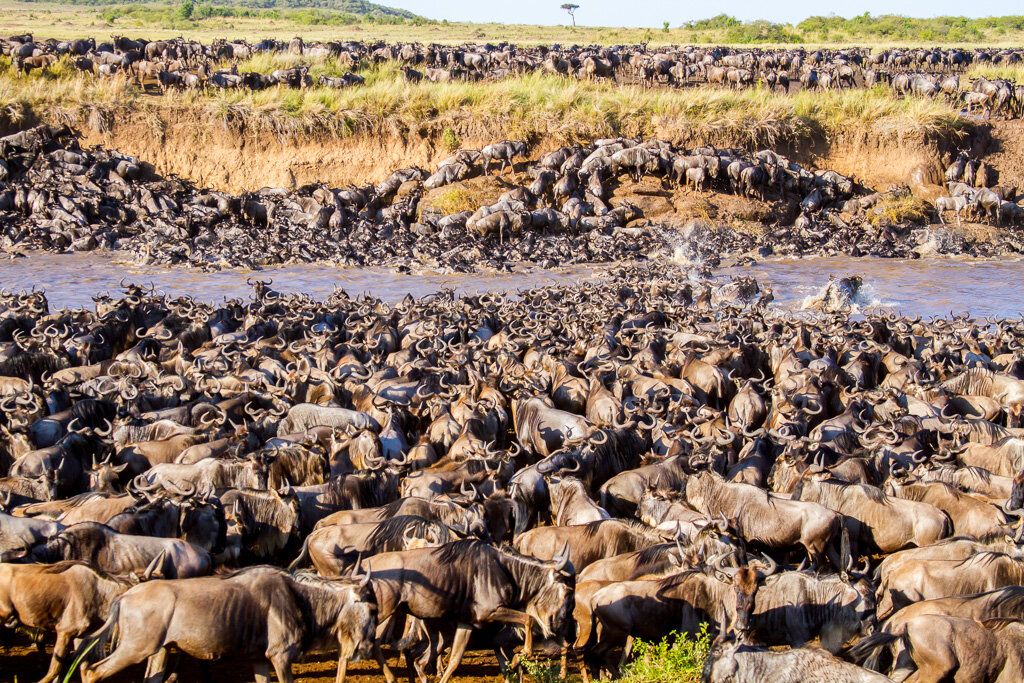
Of the numerous national parks in Tanzania, the Serengeti is the most famous thanks to the annual migration of millions of wildebeests, zebras and other antelope species. The spectacle has been brought to our living rooms in countless wildlife documentaries; each year millions of tourists visit to witness what is known as the Greatest Show on Earth—for themselves. Even outside of the migration season, this area is renowned for its abundant game and pristine vistas.
Beyond Serengeti, the country is blessed with over a dozen well-managed safari destinations, including the Ngorongoro Crater, Tarangire and Lake Manyara National Park. Each is remarkable in its own right, be it for the concentration of particular species or its scenic grandeur. Such is its popularity that in 2022 nearly 1.5 million international visitors arrived in the country, the majority of whom incorporated a safari package into their itinerary.
What Does A Safari in Tanzania Entail?
Serengeti National Park covers approximately 14,763 square kilometers. Within this area, wildlife roams freely and visitors access the park by road or air, staying at a wide range of lodges and camps, each catering to a particular niche of traveler. The best way to experience the park is in the company of a professional guide, one who is familiar with both the park regulations and the habits of its wild inhabitants. Bringing people and wildlife together has, overtime been refined into a sophisticated operation that provides a seamless and authentic African Safari Experience.
Below are some of the factors to be considered in maintaining such an endeavor
The Logistics and Planning of a Safari
At first glance, the cost of a Tanzania Safari Package may seem somewhat high. However, there are numerous “hidden costs” that most are not aware of. Perhaps chief amongst these is that by booking a package, a huge amount of research and time spent corresponding with various service providers is eliminated. You simply select the package that appeals to you and get yourself to the airport.
Seasoned, local tour operators have all the latest information along with a network of local contacts and preferential agreements. In a highly competitive market, they strive to ensure all guests have a hassle-free adventure from start to finish.
Different Accommodations on Safari
The range of accommodation and level of luxury experienced on a Tanzania Safari are almost as diverse as the country’s wildlife. From self-catering in a dome tent to private villas complete with executive chefs and butler service, there is something to be found whatever your budget.
At the lower end of the price range, a 4-day inclusive safari would cost around US$200 per person per day. Mid-range prices are, however, around $500 per day, while in the upper brackets, guests can expect to pay over $1,500 per person per day.
Regardless of where you stay, though, once you are out on a safari excursion, your wildlife experience should be roughly similar (depending mainly on the skill of your guide in divining the signs of the wild).
Safari Transport is pricey.
Among the numerous cost factors that determine the price of a safari package, transport is a significant factor. Due to the distances involved and the limited transport infrastructure, most packages will include air transfers between your point of arrival and the camps you will visit.
The limited transport options also mean that it is very expensive to operate a camp in the far-flung reaches of a massive national park, where everything needed for it to function efficiently and at the desired standard must be brought in overland.
National Park Fees
Tourism income is also the key contributor to the ongoing and sustainable operation of the vast conservation areas concerned, particularly concerning salaries, park maintenance and anti-poaching initiatives. As such, the Tanzanian government levies a fee for each visitor to its national park system. Some visitors are surprised to learn that, like many other African countries, there is a tiered fees structure for locals and visitors. This is to ensure that the local population can still access their natural heritage, while foreign earnings help foot the bill of its upkeep.
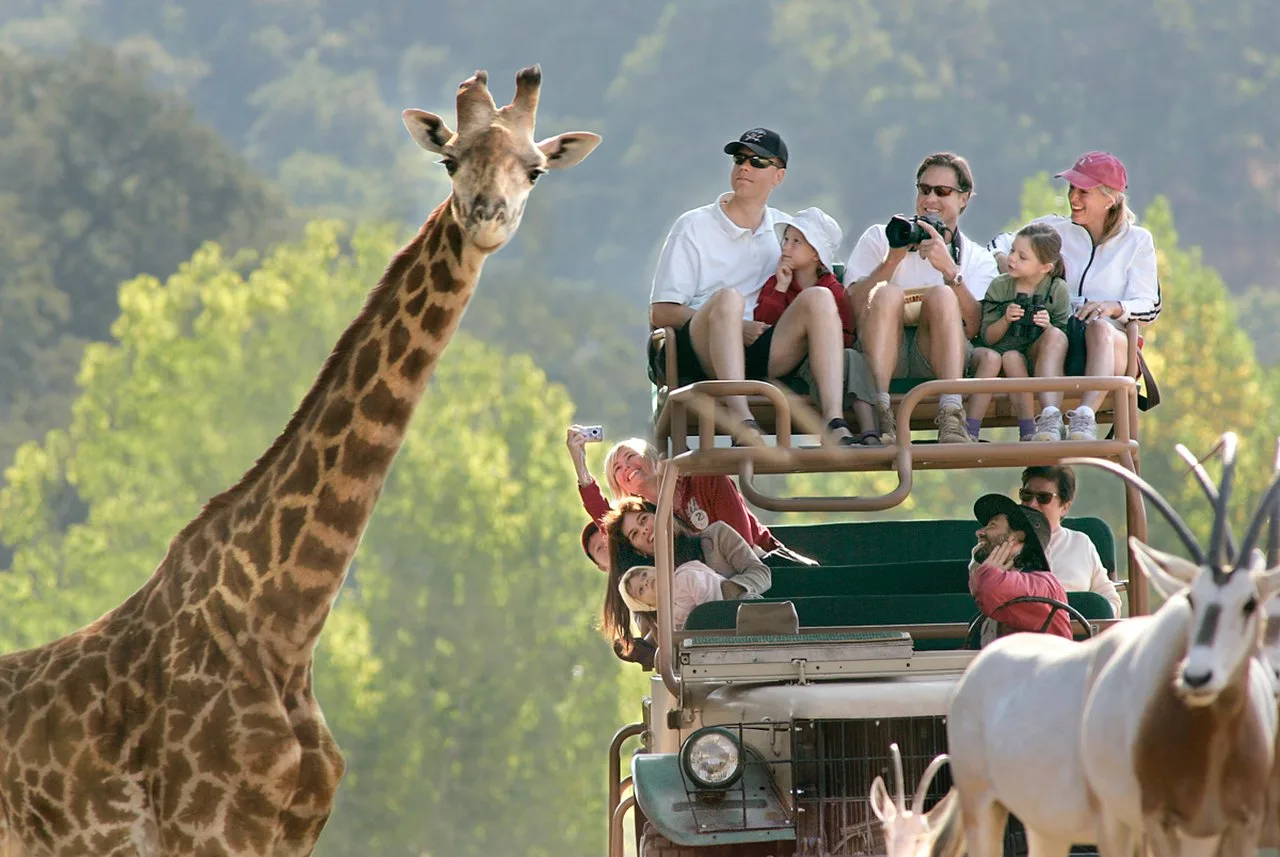
Staff – To-Guest Ratio at Tanzanian Safari Camps
Due to their remote locations, most safari camps have a very high staff-to-guest ratio, exceeding that of your typical hotel. Aside from the guide and front-of-house staff, camps will also employ maintenance crews, kitchen, housekeeping and laundry staff (and numerous others)—all of whom live on-site. As a major employer in the Tanzanian economy, the cost of your safari package ensures their job security and the upliftment of the local community by extension.
The Complete Safari Experience
By choosing to fulfill your Africa Safari dreams in Tanzania, you are assured of an experience that meets or exceeds all your expectations. Safari Tourism is well established and a proud tradition is maintained. Thanks to valuable foreign currency inputs, the national park system and the countless species that they protect are well managed, and wildlife sightings are varied and plentiful. The Tanzanian people are innately hospitable, and the facilities and service are equal to the expectations of international travelers. In short, what may begin as a once-in-a-lifetime experience soon becomes one that will have you thirsting for more of Africa’s addictive beauty.