How Safe Is Climbing Kilimanjaro? Mount Kilimanjaro climbing is risky and not for the faint of heart. An estimated ten climbers perish every year; however, the real number is probably far higher. Another thousand are rescued from the mountain’s traps. Since climbing Mount Kilimanjaro can be very dangerous, it is strongly advised that you are aware of the risks involved with climbing at high altitudes before you begin. One can significantly reduce the probability of danger by following the advice of local experts.
We are aware that you have several options for Kilimanjaro guide services. However, you should put your safety above all else when choosing an operator. Companies that maximize the possible risks associated with hiking at high altitudes should be avoided. Rather than assisting you in making an informed choice, their main goal is to sell you a vacation. Instead of letting the dangers stop you from going after your adventure, utilize them as an opportunity to learn more and make preparations.
WHAT IS THE CAUSE OF DEATH IN KILIMANJARO?
Each year, several deaths on Kilimanjaro are attributed to heart attacks and altitude sickness resulting from pre-existing medical issues. Altitude sickness can cause a variety of symptoms, from a little headache to a potentially fatal oxygen shortage.
For this reason, it’s critical to understand the risks associated with climbing at high altitudes and to guarantee that sufficient medical planning and supervision are in place. Furthermore, people who already have health problems ought to exercise extra caution while thinking about trekking or climbing at such high altitudes.
WHAT IS ACUTE MOUNTAIN SICKNESS?
About 21% of the atmosphere is made up of oxygen at sea level. The percentage doesn’t change as you ascend higher, but every breath you take in reduces the amount of oxygen. At elevations of 12,000 feet (3,600 meters), the amount of oxygen molecules in each breath is reduced to 40%, causing your body to struggle to adapt to the lower oxygen levels. Your body is losing the struggle as you hike because it is not able to adjust to the lower oxygen levels fast enough. Acute mountain sickness is the term for this condition, which can strike even the healthiest person.
ACCLIMATIZATION WHILE CLIMBING KILIMANJARO
AMS is primarily caused by ascending too high too quickly. Your body can adjust to low oxygen levels at a certain altitude, given enough time. Acclimatization is a process that is necessary for any aspiring climber. An effective acclimatization process requires two to three days at the altitude in question. Your body adapts during acclimatization to make it capable of handling low oxygen levels. This is what transpires:
- The depth of your breathing increases.
- To carry more oxygen, your body makes more red blood cells.
- Your capillaries are under more pressure. This compels blood to enter parts of your lungs that are ordinarily empty during normal breathing.
- The body produces additional enzymes, which lead to the tissues’ absorption of oxygen.
We may not exhaust the science involved, but the symptoms of AMS start around 12 to 24 hours after arriving at altitude. These symptoms are:
- A headache
- Dizziness and nausea
- Lack of appetite
- Fatigue
- Shortness of breath
- Bad sleep
- general irritation
OTHER DANGERS WHILE CLIMBING KILIMANJARO
Apart from acute mountain sickness, other dangers climbers are warned against while climbing Kilimanjaro include:
- Hypothermia (loss of heat due to a cold)
- Slipping and falling off rocks
- Getting hit by avalanches
- Falling off cliffs
- Heart attacks
- Diarrhea
- Cold and respiratory infections
- Twisting your ankles
- Tropical diseases like malaria and typhoid
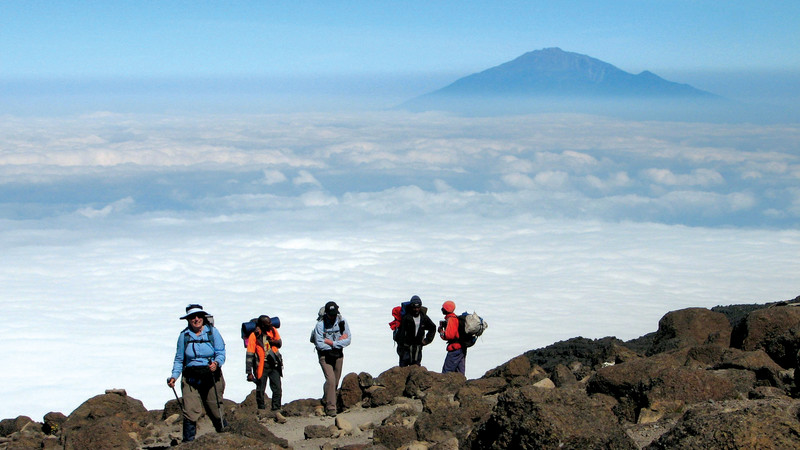
SO, IS IT DANGEROUS TO CLIMB KILIMANJARO?
Assuming adequate preparation, thorough research, and heeding the advice of your guide, scaling Mount Kilimanjaro ought to be rather safe. Only a small number of tourists are thought to die each year, and the majority of those deaths are attributed to preventable altitude-related issues.
There’s no denying that you are traveling into a rural area with inherent risks, and you never know what tricks Mother Nature might have up her sleeve. However, by following the wise mountaineering guidelines, you may reduce the hazards and make the most of this once-in-a-lifetime opportunity. Perhaps most crucially, you must ensure that the tour operator you are climbing with is a trustworthy, responsible company that places a high priority on your health and safety while you are on the mountain.
You can be sure that your hike with us will include the greatest certified and trained guides on the mountain, giving you every chance to have a safe summit and, more importantly, a safe trip back home.
A lot of deaths and evacuations related to climbing Mount Kilimanjaro have occurred recently. It’s still up for debate whether it was ignorance, inadequate planning, or careless tour operators to blame. But if you prepare ahead of time and make a solid strategy, you can minimize most hazards, if not completely eliminate them, making climbing Mount Kilimanjaro a safe experience. Reach out to our welcoming staff right now; they will be pleased to address any of your inquiries and assist you in organizing the trip of a lifetime!