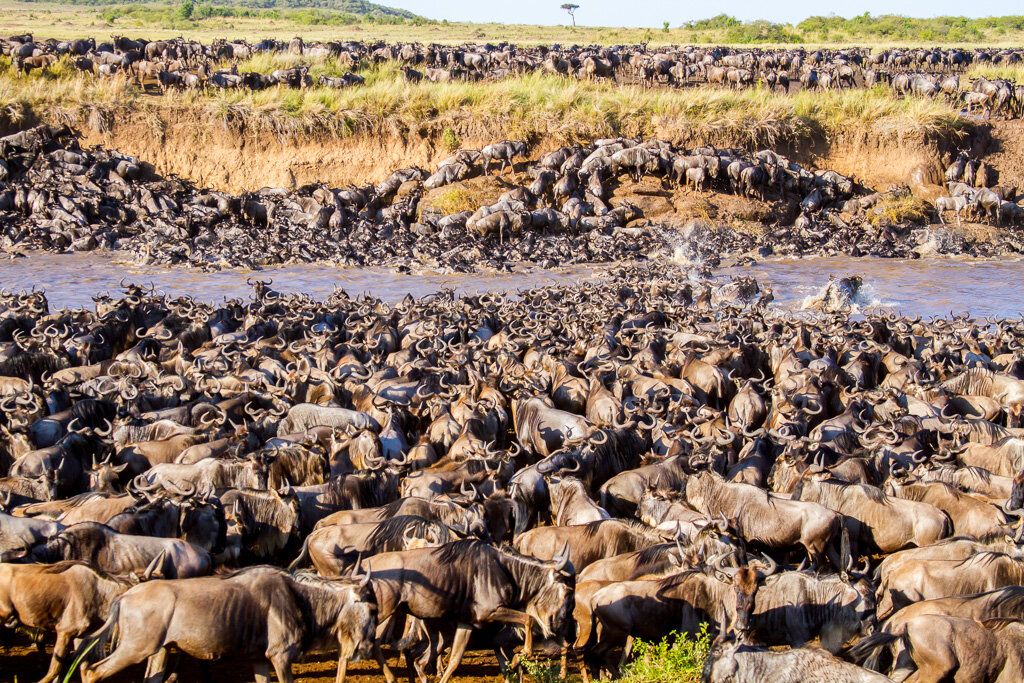
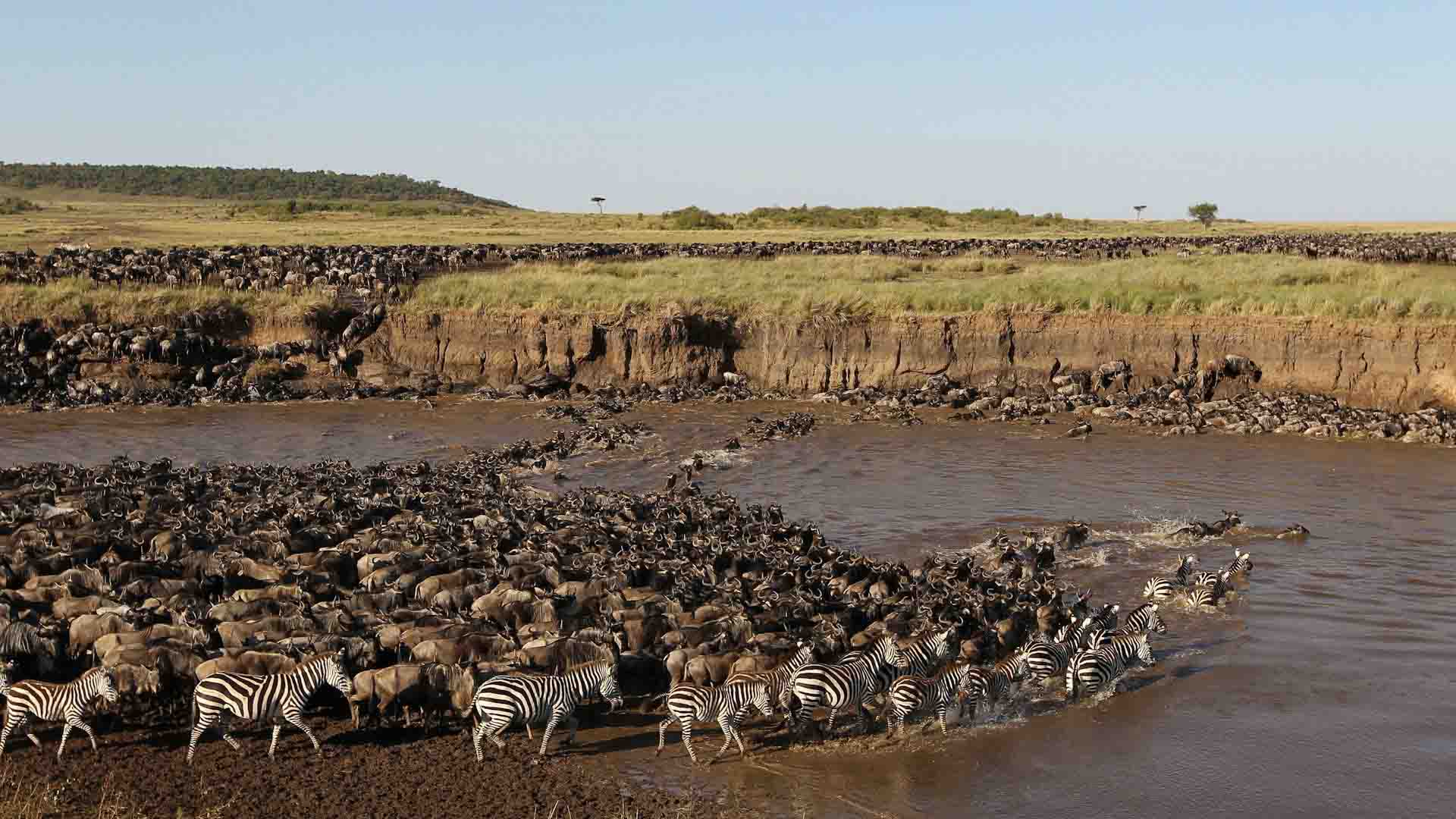
How To Avoid The Crowds On A Serengeti Safari? The Serengeti in Tanzania is home to one of the world’s biggest concentrations of wildlife and serves as the main venue for the yearly Great Wildebeest Migration. If you wish to dodge the throngs that go to the Serengeti each year in favor of a quieter, more intimate safari experience, here is our recommendations on how to avoid crowds.
Safari Bubble: The Safe Way to Safari
The desire to travel in small, private bubbles away from the crowds and to keep secure is crucial as we emerge from the deadliest epidemic of our lives. We discuss traveling with a small, close-knit group of friends or family, known as a “safari bubble.” A single couple or a family with several generations traveling together might both be considered bubbles. Within your safari bubble, you can choose more exclusive safari experiences to avoid big hotels or crowded attractions, safely eat together (outside if weather permits), and ride in a private vehicle without any other passengers. And one of the first things to consider is to avoid peak-season travel.
Don’t let the rain put you off.
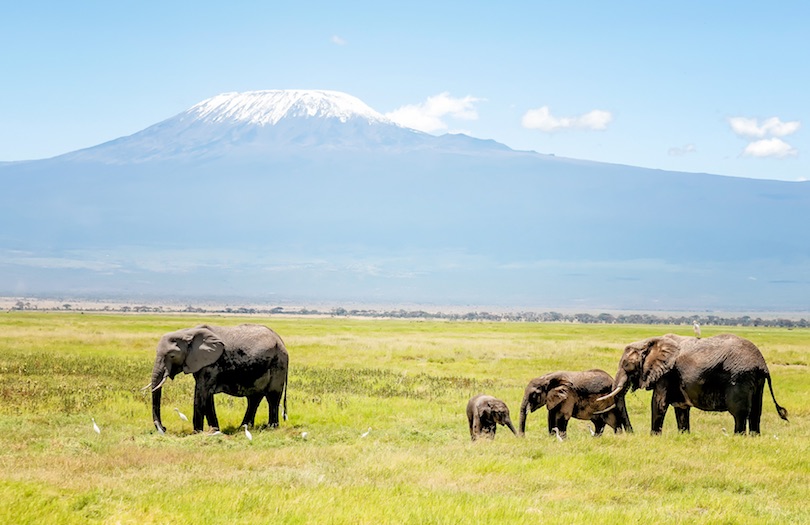
October through December is one of the most rewarding periods to go on safari in the Serengeti because of the start of the brief rains, which cause tourism in Tanzania to decline. In case you’re wondering, seeing wildlife is equally enjoyable during the brief downpours as it is during the busiest time of year. Many resident wildebeests and zebras can still be found throughout the Serengeti’s undulating plains and rolling grasslands long after the big herds have left. There is an abundance of resident games to support strong populations of lion, cheetah, leopard, African wild dog, and hyena, in addition to buffalo, elephant, giraffe, and numerous gazelle and antelope species. There is also a high likelihood of witnessing some breathtaking predatory action.
Additionally, safari visitors can take advantage of these amazing chances for game viewing in the serene stillness of the wilderness without having to jostle with dozens of other safari jeeps, and the amazing photo opportunities offered by ominous storm clouds against the expansive plains studded with acacia and far-off horizons more than make up for the sporadic downpour.
Even quieter is the Serengeti during the extended rainy season. Cloudy skies, lower temperatures, and daily downpours are typical from March to May. There aren’t many visitors to the Serengeti during this season. The customary concentration of safari vehicles surrounding noteworthy sightings is not there, and the number of safari hotels is at its lowest. In the wet season, some camps even close. For a safari bubble looking to get away from the throng during prime time, this is fantastic! During the rainy season, you can still have fantastic sights as it rarely rains all day.
Going on safari in the Serengeti during the rainy season has the added bonus of lowering lodging costs due to a decrease in visitor numbers. This lowers the cost of adding a few extra days to your safari or lodging in a posh safari lodge that would otherwise be out of your price range.
Look for smaller, eco-friendly safari lodges.
Large resort-style hotels with hundreds of rooms can be found in the Serengeti, and these are well-liked by companies that organize big group safaris. Avoid these large lodges if you want to escape the crowds and go instead for a more intimate, environmentally conscious, tented safari camp in a secluded area. Here, there are just a few rooms, and all meals are taken al fresco or in the shade under a canvas canopy.
Beyond solar energy, recycled wastewater, and safari tents with minimal environmental impact, the eco-friendly designation encompasses much more. Exclusive settings and limited capacity at eco-camps result in higher quality and less crowded camps. When it comes to responsible land management and ecology, this means that there are no permanent structures like fences, allowing massive herds of animals to move freely throughout the savannas and occasionally even pass through your campgrounds!
In the big cat area of Soit le Motonyi, one such environmentally conscious tented safari resort is Olmara Resort (previously known as Ehlane Plains Camp), which is nestled in the isolated, unspoiled eastern plains of the Serengeti. After being inaccessible for twenty years to all but a small cohort of big cat researchers, Soit Le Motonyi has reopened to a restricted number of guests.
In this little-known region of the Serengeti, safari-goers can anticipate some of the best and least-crowded cheetah sightings. This area is teeming with African wildcats, lions, leopards, servals, caracals, hyenas, African wild dogs, wildebeests, buffalo, zebras, elephants, giraffes, and black rhinos, and it has been spared from jeep-led safaris for 20 years. Game drives are a casual and private experience because there isn’t another safari camp in miles, and there are just eight eco-friendly safari tents.
Pick accommodations in private reserves or conservancies.
Selecting lodging inside one of the privately run game reserves or conservancies that share unfenced borders with Serengeti National Park is another fantastic opportunity to explore the Serengeti without the crowds. Consider Sabora Tented Camp in the Grumeti Reserve, Singita’s Faru Faru Lodge, or Klein’s Camp in the Loliondo concession.
The finest of both worlds are available to safari visitors thanks to private game reserves and conservancies. In addition to providing services like guided bush walks, spotlit night drives, and off-road game viewing with a cap on the number of vehicles allowed at animal sightings—activities not available to visitors to national parks—they are also frequently in prime locations for quick and simple access to Great Migration hotspots within the Serengeti National Park.
A secluded, genuine safari experience can be had by staying at an exclusive-use private game reserve or conservancy, where you can see the famous species of the Serengeti up close and in privacy without being surrounded by a fleet of safari vehicles full of visitors snapping pictures.
Ask an expert.
A seasoned safari operator would know exactly where to direct travelers who want a more private, sedate Serengeti safari. But what sets them apart isn’t just their proficiency in choosing safari camps or lodges where great chances for spotting wildlife in out-of-the-way locations are assured. They are also aware of the weather, flight schedules, and other logistical aspects that are frequently disregarded, including baggage limitations on small aircraft or possibilities for remote testing. It is possible to alleviate the burden of researching and organizing your Serengeti safari by working with professionals who have a proven track record as destination specialists.
Seek out a business that has a solid reputation in the field, a history of positive customer feedback, first-hand knowledge of the area, dependable financial security, and comprehensive insurance covering both public and passenger liability for peace of mind. Make sure they are aware of your particular desire for an isolated Serengeti safari.
You’ll save a ton of time, money, and hassle by having a professional arrange your itinerary—especially since government regulations regarding lockdowns and testing requirements may force last-minute alterations to your original itinerary. You won’t have to worry about anything other than the wildlife you’ll witness on your Serengeti safari since you’ll know you can rely on a trustworthy partner to step in and take care of any unanticipated issues.
CONCLUSION:
Do you want to avoid the crowds and still go on safari in the Serengeti with your “safari bubble”? At this point, there aren’t many health hazards associated with safe travel. Please get in touch with us so we can assist you in planning a fantastic, safe vacation away from the crowd.