Tanzania Safari Adventure in Saanane Island National Park : Saanane Island National Park is situated on an island in the Lake Victoria. It’s the only National Park within the city limits. The island was named after Mzee Saanane Chawandi, a local farmer and fisherman. The park, at the time known as “Saa Nane Island Game Sanctuary”, was accidentally bombed during the air campaign of the Uganda-Tanzania war of 1978–1979. In 1964 the Government established Tanzania’s first ever zoo here. The objective being to promote conservation education and to provide recreation to the people of Mwanza. Established in 2013, Saanane covers an area of 2.18 square kilometers, making it the smallest national park in Tanzania.
The park is famously known for hosting a large variety of wildlife such as s impala, zebra, wildebeest, klipspringer, hyrax, vervet monkeys, dik-dik, otters, crocodiles, and is a mixture of indigenous and introduced species. It is the only place in Tanzania where De-brazza’s monkeys are found. More so, this stunning national park is home to over species of bird have also been recorded here.
The island is encompassed of stunning vegetation such as granite boulders, grassy areas, thorny thicket and woodland. There are several reed beds and large trees around the island’s shores. There’s a lion’s den surrounded by big rocks and trees where a lion and lioness happily live together. In another part of the island, you’ll find peacocks roaming around in their own enclosure.
The main highlight of the park is a series of paths and trail made from sturdy granite stones, lined with neat edges, that lead to every part of the island. Along the way, you’ll find lookout spots offering stunning views of he the lake and surrounding islands, along with places to rest, a campsite, picnic areas, a small food stand and peaceful spots to unwind. Saanane is dedicated to the townsfolk and the visitors of Mwanza city. It is a place where people can escape the noise and clamor of the city, get close to nature and relax.
Climate
The Park receives a bimodal rainfall with short rains starting from October to January, long rains from February to May and dry season from June to September. more so, this stunning national park is situated at an altitude between 1134 and 1319 meters with annual average rainfall ranging from 267mm to 1001 mm
How to get to Saanane Island National Park
Air: Mwanza Airport links to all the major towns and cities across Tanzania, as well as many popular safari spots.
Road and Rail: Mwanza is connected by road and rail to all corners of Tanzania.
Water: There are boats that travel to Mwanza Port from Musoma and Bukoba on Lake Victoria, and also from nearby Uganda and Kenya.
In Mwanza city, the main park headquarters are located at Capri Point, which is just a 15-minute walk from the city center. TANAPA provides a 5-minute boat ride from there to the landing jetty on Saanane Island.
Tourist attraction
The park has several attraction ranging from terrestrial to aquatic animals making an ideal place to visit.
Wildlife:
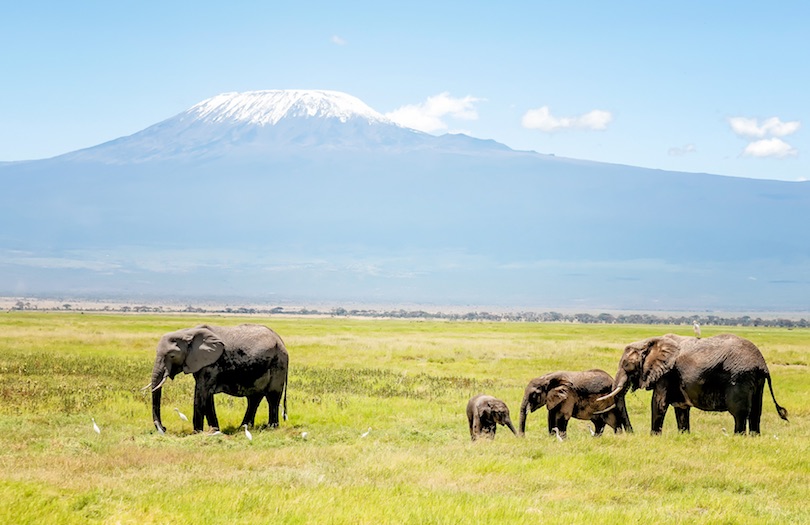
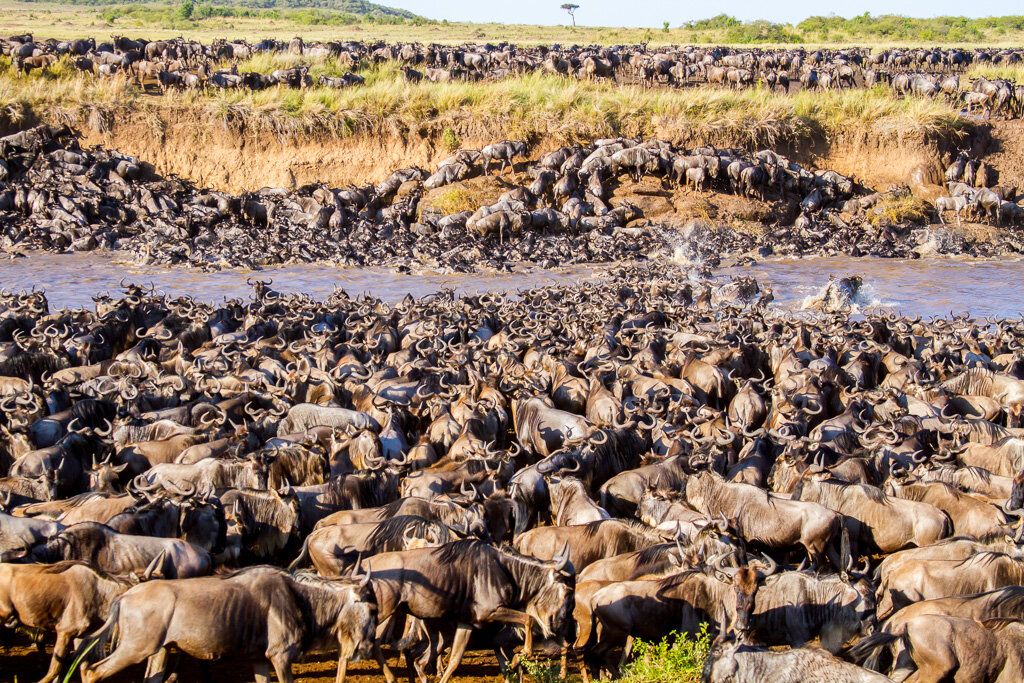
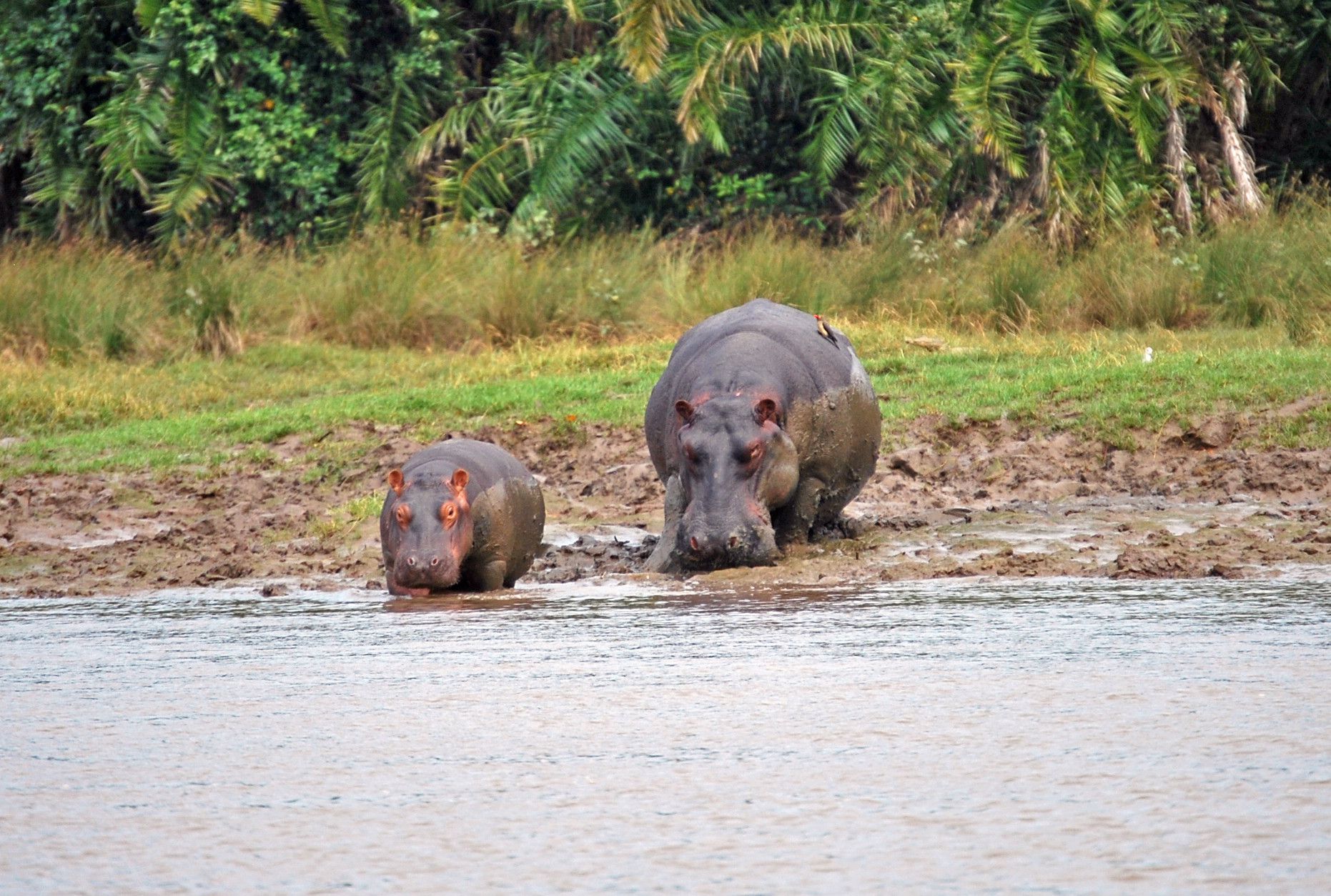
The Island is a home to free roaming mammals such as buffaloes, warthogs, dik-dik, bushbucks, elephants, wildebeests, black rhinos zebras, impalas, rock hyrax, wild cats, primates like velvet monkeys, De-brazza’s monkey, colobus monkeys, reptiles like leopard tortoise, crocodile, monitor lizards, agama lizard, pythons among others. The aquatic part of the Park inhabits a variety of fisheries life, mainly Tilapia and Nile Perch.
Sunrise and sunset:
There is an opportunity for enjoying the sunset and sunrise on the lake. This phenomenon produces interesting outlines of objects reflected on the water’s surface, creating captivating visuals to enjoy.
Birdlife
Saanane Island National Park is one of the best birdwatching destinations in Tanzania. The park is home to over 100 bird species including water birds, migratory and some are resident. Some of the bird species you may spot here includes yellow billed egret, cattle egret, white-face whistling duck, red-billed teal, helmeted guineafowl, mourning collared dove, freckled nightjar, African palm swift, common swift, African black coucal, diederik cuckoo, black crake, eastern grey plantain-eater, African openbill, hamerkop, black-headed heron and rufous-bellied heron among others.