The Best Time To Visit Tanzania In 2025 : Whether you want to experience an exhilarating safari or hike the famous Mount Kilimanjaro, knowing when to visit Tanzania is essential for a journey that won’t soon be forgotten. This post will help you organize your trip to this hidden treasure in East Africa by guiding you through the different seasons.
TANZANIAN CLIMATE AND WEATHER
Tanzania, a country in the southern hemisphere, has different seasonal patterns than the United States or England. Tanzania is in its winter, while the United States and England are in their summer. Tanzania has several seasons, each with its own special beauty.
Dry Season (January to February and June to October)
Tanzania experiences two distinct dry seasons, spanning from June to October and January to March, respectively. These times of year are regarded as the best for visiting Tanzania because of the perfect weather they provide: clear skies, little rain, and milder temperatures. These circumstances create the ideal environment for amazing adventures like hiking Mount Kilimanjaro, going on safaris, and taking beach vacations.
Green Season (November to December and April to May)
The season of “short rains” is November through December. Rain showers are common during this time of year, although they are usually brief and don’t cause any disruptions to travel arrangements.
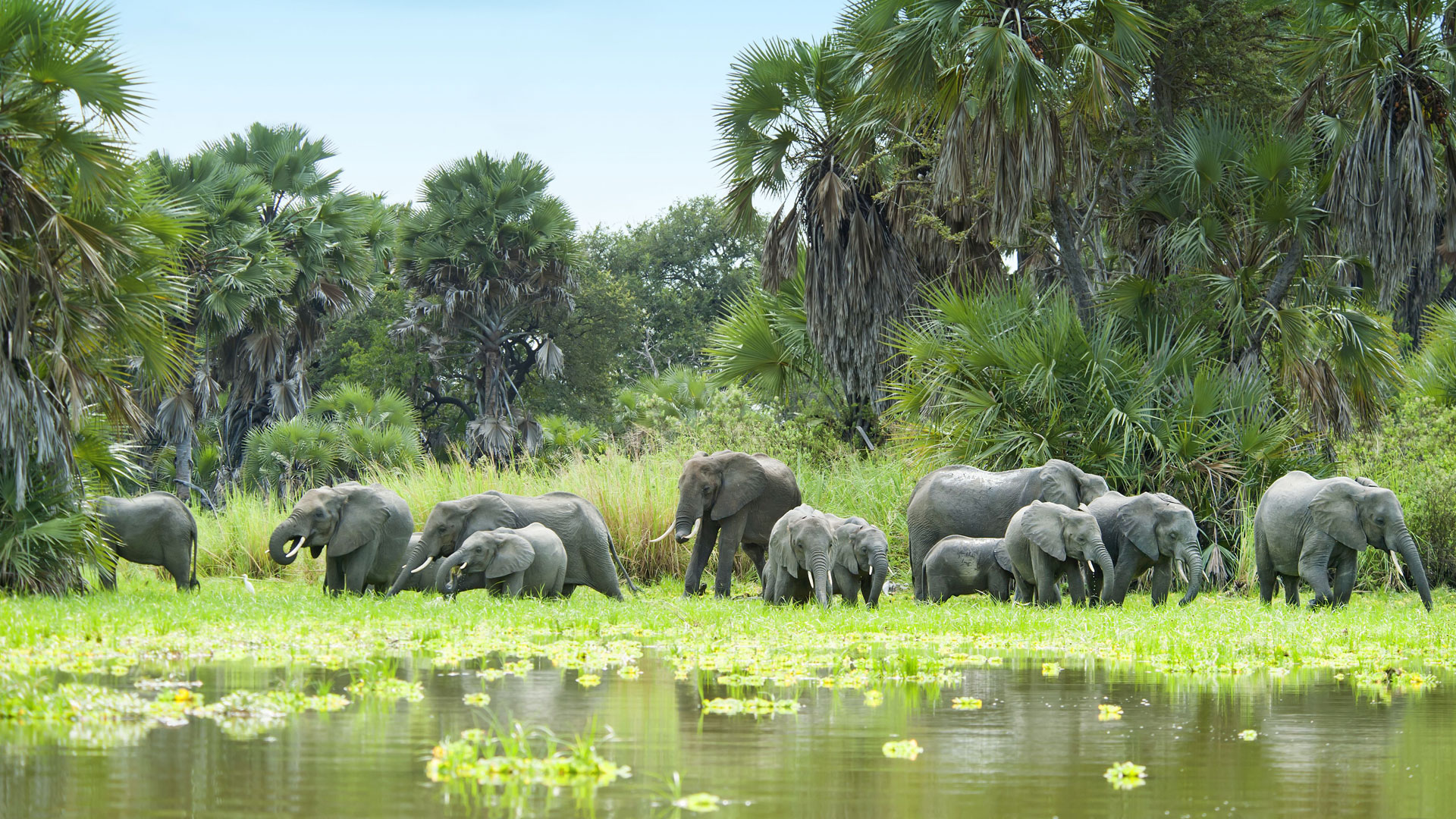
On the other hand, the “long rains” season, which runs from March to May, is distinguished by heavier and more frequent rainfall. This season creates a breathtakingly picturesque backdrop by transforming the landscape into lush, green panoramas with bright vegetation, even with the rain. We often advise against going on safari during this season since prolonged rains can impede the ability to see wildlife.
THE BEST TIME FOR A WILDLIFE SAFARI IN TANZANIA
The dry season in Tanzania, which runs from June to October and from January to February, is generally the greatest time to go on a wildlife safari. It is easier to see animals during this time of year since the vegetation is less dense and they congregate near water sources.
From January to February, the weather is often dry and pleasant, and most safari crowds are away. The best time to travel on safari is from June to October. Serengeti, Ngorongoro Crater, and Lake Manyara in Tanzania are popular destinations at this time, but the weather is excellent.
While there is potential for rain showers, travel to Tanzania during the ‘green season’ is far more tranquil. The area turns verdant at this time, and many animals give birth to their young, which increases the activity of predators. Because migratory birds arrive during the wet season, birdwatching is especially appealing. We only advise against visiting in April and May because of the likelihood of disrupted animal viewing caused by the severe precipitation.
THE BEST TIME TO SEE THE GREAT MIGRATION IN TANZANIA
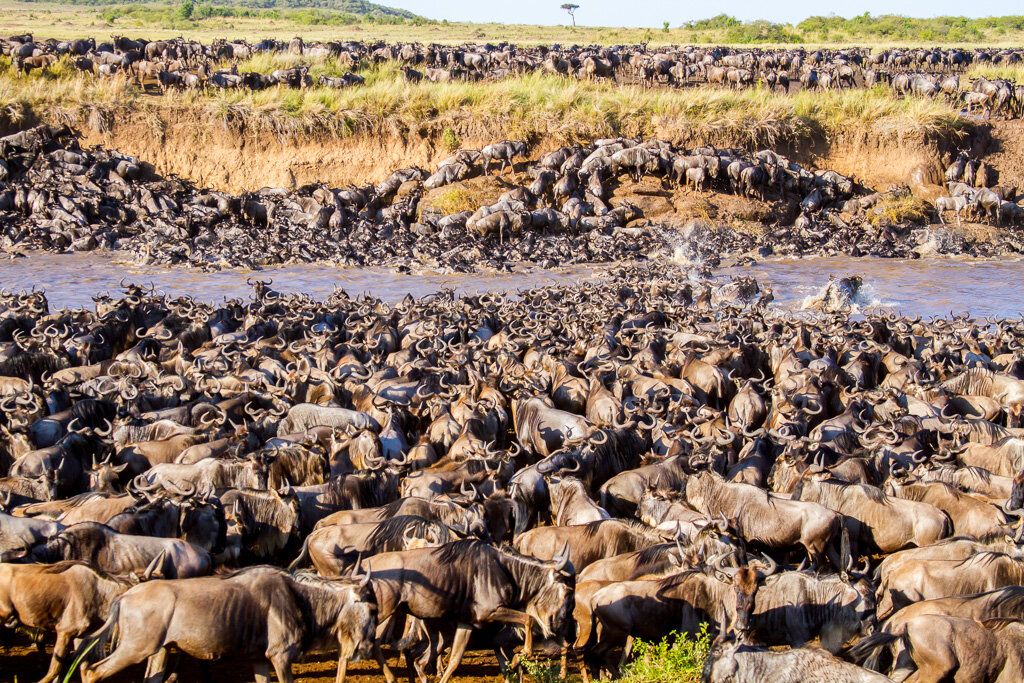
The best time to see the Great Migration in Tanzania is usually from late December to July, when the herds are gathered in the central and southern Serengeti. The river crossings are among this phenomenon’s main features. Between May and July, you may watch the herds cross the Grumeti River in the western Serengeti. From July to October, they move northward toward the Mara River and enter the Masai Mara National reserve.
There’s also the calving season, which runs from January to March, which is a truly remarkable time to visit Tanzania. It’s a time known for the poignant predator-prey relationships that occur.
It’s crucial to remember that the Great Migration is a year-round, cyclical movement between Tanzania and Kenya. The herds are visible all year, but it’s important to confirm their exact location before traveling.
We advise scheduling a safari with an expert guide to increase your chances of seeing this incredible natural show. They can assist you in tracking the herds and positioning yourself for the most amazing viewing.
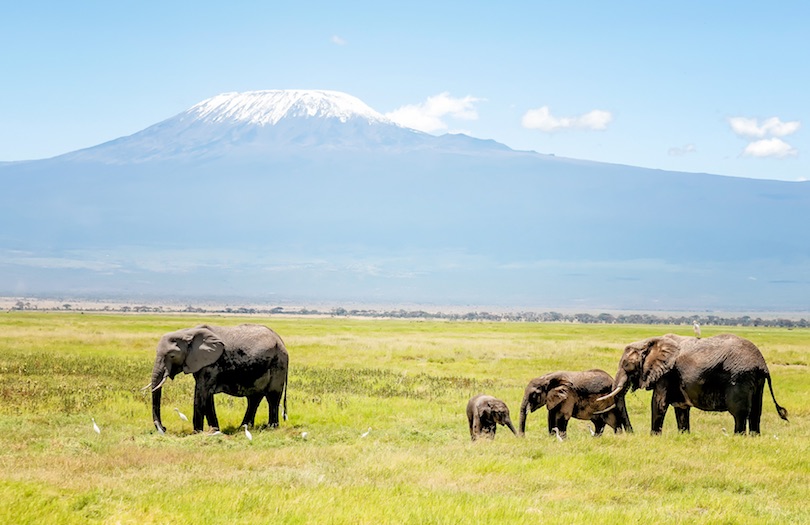
THE BEST TIME TO CLIMB MOUNT KILIMANJARO
The two Tanzanian dry seasons, which run from June to October and from January to March, are generally seen to be the greatest periods to climb Kilimanjaro. You can anticipate a bright sky, little to no rain, and generally pleasant weather throughout these times.
There are lower temperatures and more privacy during the brief dry season, which runs from mid-December to March. On the other hand, the lengthy dry season, which lasts from June to October, is usually busier, especially in July and August when schools are not in session. (Don’t worry, our knowledgeable guides can assist you in avoiding the more crowded routes.)
In Tanzania, April, May, and November are the rainy seasons. It is not advised to climb Kilimanjaro during this time of year due to the possibility of extremely muddy, snowy, and rainy trails. You will, however, be able to dodge the crowds on the trails if you decide to trek during this time of year.
A MONTH-BY-MONTH GUIDE TO TRAVELING IN TANZANIA
January
Since January ushers in the dry season, which makes for ideal safari and wildlife viewing conditions, it’s a great time to visit Tanzania. Daytime highs of 25°C to 32°C (77°F to 90°F) are typical, as is plenty of sunshine. The Serengeti’s wildebeest calving season is a highlight of January and a sight not to be missed.
February
With temperatures close to January, February offers excellent safari chances. The weather is pleasant and dry. This month, take in the Great Migration in the Ngorongoro Conservation Area and the southern Serengeti.
March
March is still a warm month, with highs of 24 to 30 degrees Celsius (75 to 86 degrees Fahrenheit), but the rainy season has begun. This can make driving on some roads difficult. You can still take in the Great Migration and discover the breathtaking Ngorongoro Crater scenery, though.
The wet season continues in April, but it’s still a perfect time to visit less-frequented parks like Ruaha and Katavi, which have verdant surroundings and fewer visitors. The nice daytime temperatures stay in the range of 24°C to 28°C (75°F to 82°F).
May
Although May is still considered a rainy month, the rain begins to lessen by the end of the month. This is a great time to visit parks that are less frequented, enjoy cheaper admission fees, and see fewer people. The range of daytime temperatures is 23°C to 27°C (73°F to 81°F).
June
The dry season begins in June and lasts until June, when temperatures range from 21°C to 26°C (70°F to 79°F). It’s the perfect time of year for wildlife viewing and safaris. See the amazing spectacle of the wildebeest migration as it crosses the Grumeti River in the western Serengeti.
July
July is known for its dry, temperate weather, with highs of 20 to 25 degrees Celsius (68 to 77 degrees Fahrenheit). You may get a chance to witness the wildebeest migration in action as you continue your exploration of the Serengeti. In the Ngorongoro region, this month is the yearly Karatu Cultural Festival.
August
Dry and somewhat warmer weather is expected in August, with highs of 21°C to 27°C (70°F to 81°F). Tanzania is experiencing its busiest travel season, which is perfect for safaris. For its lovely beach weather, think about visiting Zanzibar; otherwise, carry on with your safari experience.
September
September sees the continuation of the dry season with pleasant temperatures in the range of 20°C to 27°C (68°F to 81°F). Observe the migration of wildebeests heading toward Kenya’s Maasai Mara and northern Serengeti. The best time of year for safari fans is this.
October
October brings comfortable, dry weather with highs between 21°C and 29°C (70°F and 84°F). For fantastic wildlife watching, think about going to Tarangire National Park or the Ngorongoro Crater.
November
November provides brief showers, but there are fewer people in the travel industry. The range of daytime temperatures is 23°C to 30°C (73°F to 86°F). For lower prices and fewer visitors, visit parks like Selous Game Reserve during the off-season.
December
December is usually a nice month, with temperatures ranging from 23°C to 31°C (73°F to 88°F). However, December also heralds the start of the short rainy season. Enjoy safaris in less-crowded places or relax on Zanzibar’s beaches during the holiday season. Across the nation, people celebrate Christmas and New Year’s Eve in December.