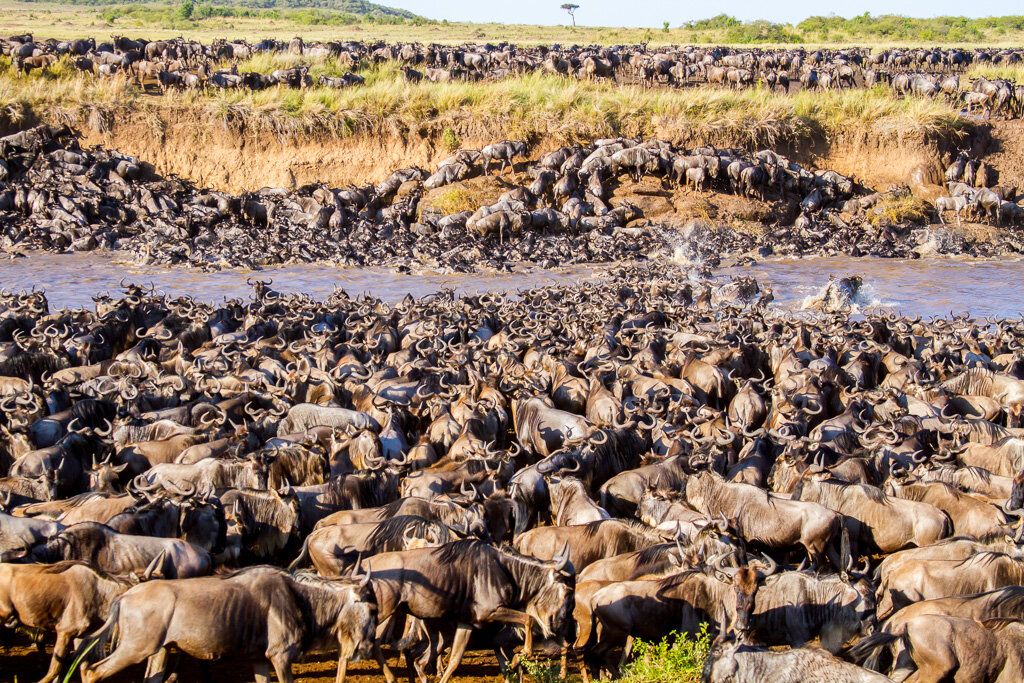
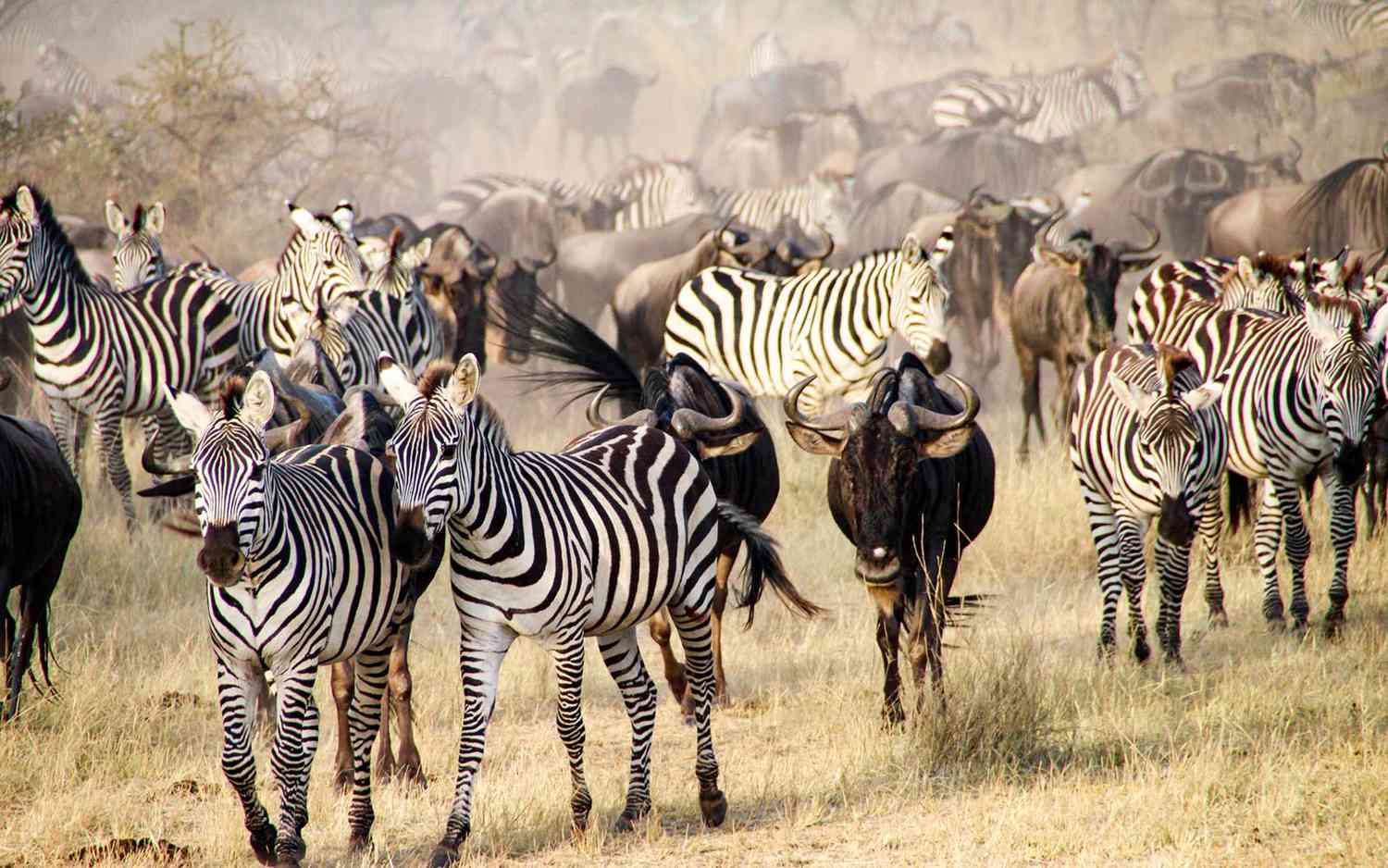
The Great migration : The Great Migration, one of Africa’s most wonderful safari attraction, it has impact on the continent’s ecosystem, for example the delicate balance of the circle of life. As millions of wildebeests, zebras and the Thomson’s gazelles migrate across the Serengeti national park and Maasai Mara National Reserve, they cause some effect, supporting various numbers of predators, prey and scavengers. The migration’s arrival feed the lions, leopards, cheetahs, hyenas and among others which in turn sustain themselves and their young. Vulturess, eagles and other scavengers feeds on dead wildebeests, zebras, thus preventing disease outbreaks and maintaining clean ecosystem. The migration helps also disperses seeds, fertilize soil, and create pathways, enabling other species to move through the landscape.
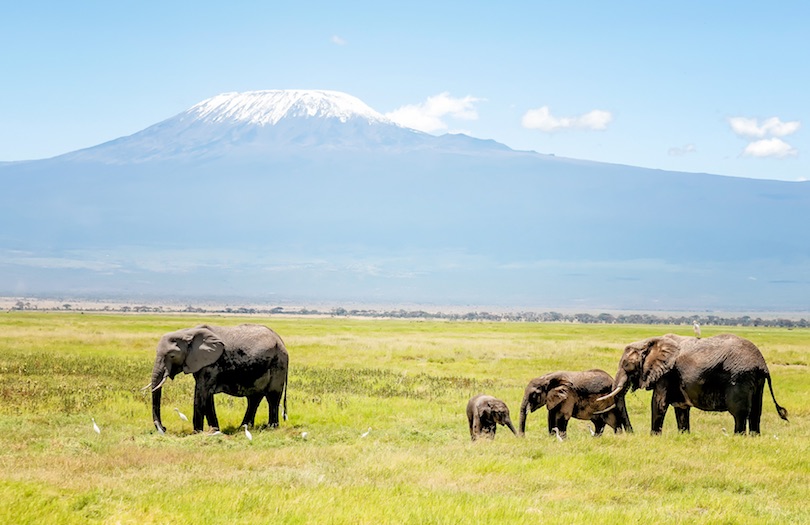
This phenomenon supports over 70% of the Serengeti’s biomass, influencing vegetation growth, water cycles and nutrient distribution. As the migration patterns shift, so do the habitats of other species, such as giraffes, elephants, gazelles, adapting to the changing landscape. The Great Migration’s cyclical nature ensures the perpetual renewal of life, death, and rebirth, illustrating the harmonious interconnectedness of Africa’s ecosystem, where every species plays a vital role in the grand symphony of the savannah. This majestic reminds safari-goers of the awe-inspiring beauty and resilience of nature, underscoring the importance of conservation efforts to preserve this precious balance for future generations.
This article brings you some of the reasons to how the great migration impacts the Africa’s ecosystem: The circle of life on safari;
Soil Enrichment;
Great migration significantly impacts Africa’s Ecosystems through soil enrichment, as millions of wildebeests, zebras, antelopes deposit over 500,000 tons of dung annually, fertilizing the soil. Their droppings form essential nutrients like nitrogen, phosphorous, potassium, promoting healthy grasslands growth and supporting a diverse variety of plant species in the both safari destinations. This natural fertilizer also enhances soil structure, increases water retention, and supports beneficial microorganisms, creating a wonderful ecosystem that benefits numerous other species, from insects to large predators’ renowned fertility and biodiversity.
Predator-Prey Dynamics.
The Great migration drives Africa’s predator-prey, supporting delicate balance between hunters and hunted. Millions of migrating wildebeests, zebras, antelopes provide prey for predators like lions, leopards, cheetahs and among others, maintaining their populations. In turn, predators regulate prey numbers, preventing overgrazing and maintaining grassland health. This intricate also benefits scavengers like vultures, hyenas and jackals which feed on carcasses, preventing disease outbreaks and maintaining ecosystem smart. The migration’s predator-prey dynamics ensure a resilient and diverse food chain, exemplifying the harmonious interconnectedness of the Africa’s savannah ecosystem.
Scavenger support.
The Great migration provides crucial support to Africa’s scavenger populations with millions of wildebeests, zebras, antelopes succumbing to predation or natural mortality. Vultures, eagles, hyenas, and jackals feast on carcasses, benefiting from this bounty. Scavengers play a vital role in ecosystem cleanliness, disposing of rotting flesh, preventing disease outbreaks and recycling nutrients. By feeding on the dead wildebeests, zebras, antelopes, the scavengers also reduce competition for living prey, supporting predator populations and maintaining the balance of the food chain. This symbiotic relationship ensures the efficient cycling of nutrients the migration’s pivotal role in sustaining Africa’s complex and interconnected ecosystem.
Seed Dispersal and Germination.
The Great Migration facilitates seed dispersal and germination, promoting Africa’s vegetation diversity. Migrating wildebeests, zebras, antelopes ingest seeds from the various plant species, then deposit them in new areas through their dung, often with added nutrients. This process enables seeds to germinate in the fertile soil, allowing plants to grow in new areas and maintain ecosystem balance. Many plant species, such as Acacia trees, depend on the migration for the seed dispersal. This mutualism supports the growth of over 100 plant species, enhancing biodiversity, maintaining grassland health, and providing food and shelter for the numerous other species, showcasing the migration’s vital role in shaping Africa’s dynamic ecosystem.
Ecosystem Resilience.
The Great migration bolsters Africa’s ecosystem resilience by perpetuating a cycle of life, death and rebirth. The migration’s cyclical nature ensures continuous nutrient cycling, as wildebeests, zebras and antelopes graze, die and decompose, replenishing soil fertility. This process supports adaptability and renewal, enabling ecosystems to recovers from droughts, floods and other disturbances. The migration also maintains population dynamics, regulating herbivore numbers and preventing over grazing, which safeguard vegetation and maintains habitat diversity. By fostering this resilience, the Great Migration ensures the long-term health and stability of Africa’s savannah ecosystem, allowing it to thrive despite environmental fluctuations and climate change.
Carbon sequestration.
The Great migration plays a crucial role in Africa’s carbon sequestration mitigating climate change. Grazing by wildebeests, zebras, antelopes promotes healthy grasslands, which absorb carbon dioxide though photosynthesis. As these they grow, they store carbon in soils and biomass, estimated to be around 30 to 40 tons per hectare. The migration’s disturbance of soil also stimulates microbial activity, releasing nutrients and enhancing carbon storage.
Additionally, the migration supports fire-resistant grass species, reducing frequency and severity of wildfires, which release stored carbon. By maintaining healthy grasslands and promoting carbon storage, the Great Migration helps sequester approximately 3.3 million tons of carbon annually, contributing significantly to Africa’s carbo sink.
Influences climate change.
The Great migration significantly influences Africa’s climate change dynamics. The migration herds trigger complex interplay of climate-regulating processes including carbon sequestration, soil moisture retention and evapotranspiration. Grazing patterns alter vegetation structure, affecting albedo (solar radiation reflection) and heat absorption.
This, in turn, influences local temperature and precipitation patterns. Moreover, the migration impacts greenhouse gas emissions by reducing wildfire frequency and promoting soil carbon storage. Research suggests that the Great Migration mitigates climate change by annually sequestering 3.3 million tons of carbon, equivalent to removing 7 million cars from the road. By maintaining ecosystem balance, the migration helps regulate Africa’s climate, underscoring its critical role in global climate resilience.
Not only the above reasons, also the great migration impacts Africa’s ecosystem: the circle of life on Tanzania wildlife safari through vegetation management, water cycle regulation, nutrient distribution, biodiversity maintenance, support other species, maintains ecosystem balance, conservation importance. The Great migration is a vital component of Africa’s ecosystem, demonstrating the interconnectedness of species and habitats.