Traveling To Tanzania in 2025 |2026
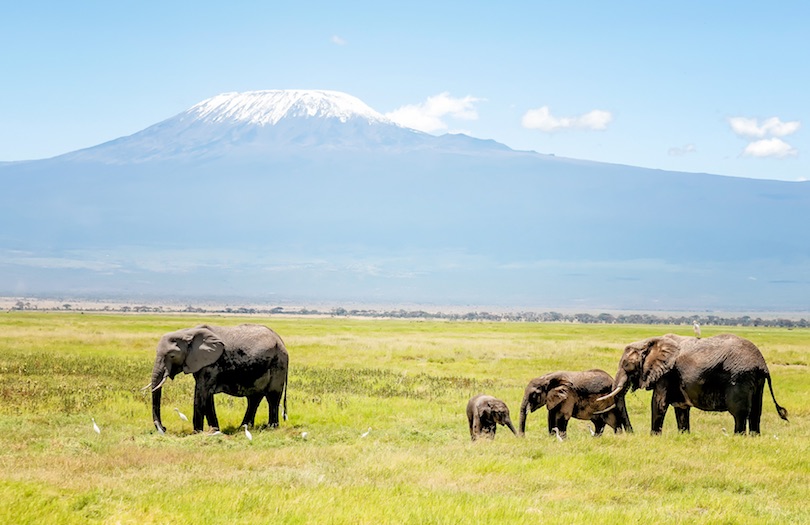
Tanzania is the place you visit for a week and realize it isn’t enough to explore even a single destination. It’s home to Serengeti National Park, Mount Kilimanjaro, Ngorongoro Crater, and the world-famous Maasai. All these are in the north, not to mention its lesser-known destinations in the south – Ruaha National Park, Selous Game Reserve, and Mikumi National Park. In the coast of Africa, lies Zanzibar where tranquil beaches teem with marine life and the spices.
What if you uniquely visit Tanzania, leaving no trace of your waste? What if you leave a positive impact on the community? This is where sustainable tourism or ecotourism comes in. In this article, we reveal the best practices to follow for sustainable travel in 2026. We also unpack insider tips for selecting eco-friendly camps and lodges.
- Choose eco-friendly accommodations
You’re going to spend almost half of your trip at an accommodation. It’s therefore important to select eco-friendly lodges/camps to make sure you cause no harm to nature during your stay. Here are a few criteria to watch before you choose the accommodation.
- It supports local communities.
An eco-lodge supports local communities through various ways. It can be employing local staff or sourcing their food supplies from local producers. This can also be buying building materials from local stores, injecting money into the local economy. Some lodges invest in community projects like schools, health clinics, roads, etc.

That said, find out if your lodge does this often and unconditionally before booking. Ask for a vivid example of a project they supported because sometimes support is easier said than done. The use of local jewelry and interiors to decorate their rooms also implies incredible support for the locals. You can take this as a plus.
- It’s a practice of environmental sustainability.
With every safari lodge claiming to be eco-friendly, don’t let the word fool you, but the actions. Check out where their energy comes from – solar energy? – Big yes, coal? – Big no. The lodge should also have energy-efficient lamps, and its lighting should be natural. Light pollution scares animals away. It also makes the place feel like you’re in the middle of town.
The next thing to check is the lodge’s waste management practices. A lodge that treats organic wastes separately, as they do with plastics, seems to be eco-friendly. Asking about recycling programs, composting, and how they avoid single-use plastics.
It offers a value-added guest experience.
The other thing eco-friendly accommodations is engaging their visitors in nature-based activities. Yes, those activities that allow guests to connect with natural environment and culture. These can be nature walks, community visits, visiting conservation projects, and eco-tourism activities.
- It has standards and certification.
Holding some eco-certificates, there are good chances that the accommodation is doing great to preserve nature. Spy their website to see they’ve won any awards or recognition. Good examples include LEED (Leadership in Energy and Environmental Design) and Green Globe, and other awards.
Missing an award should not confuse you either. Because some can forge it – work for it, earn it, then do nothing afterward. Check for other criteria to see if they practice sustainability.
- Reduce single-use plastics
As a sustainable tourist, nature matters to you the most. To spare animals and soil, don’t bring single-use plastics during your safari. If there’s no option, bring just a little, and handle them carefully.
These kinds of wastes are known to suffocate animals and interfere with soil aeration and microbes, hence disrupting the ecosystem. And in fragile ecosystems like that of Serengeti and Ngorongoro Crater, they may alter a pattern, which once done repeatedly may harm wildlife.
- Support local communities.
As an individual, you’re also obliged to support the locals. Don’t leave this role just to lodge operators. The other day, you’re in the village, buy their products, pay for a traditional performance, or donate to a community project.
Supporting the surrounding people, make them conserve the parks and other attractions. Your support make their efforts to protect them pay off. They also develop their economies.
- Respect wildlife
While you are in the park, respect your host – the wildlife. You are just a stranger in their land. So, please do not make them uncomfortable. There are things you are used to doing in zoos – do not do them here. Do not feed the animals, call them for a photo, or go any closer. Because if you do, they either fear you or attack you.
Want to take a photo? Wow! Do it. But remember to turn off that shutter sound and the flashlight. Also, never leave with an animal, plants, or anything as souvenirs.
- Travel with a smaller carbon footprint.
It can be tough, but it is what it is. As a nature lover, you can make use of your feet to explore nature. Minimize the use of the jeep. Instead, embark on slow, close-to-nature experiences like nature walks, bush dinner, camping, and stargazing.
Also, you can avoid frequented destinations like the Serengeti, where so many safari vehicles go, and choose lesser-known, southern destinations like Ruaha and the Selous.
- Avoid the high season.
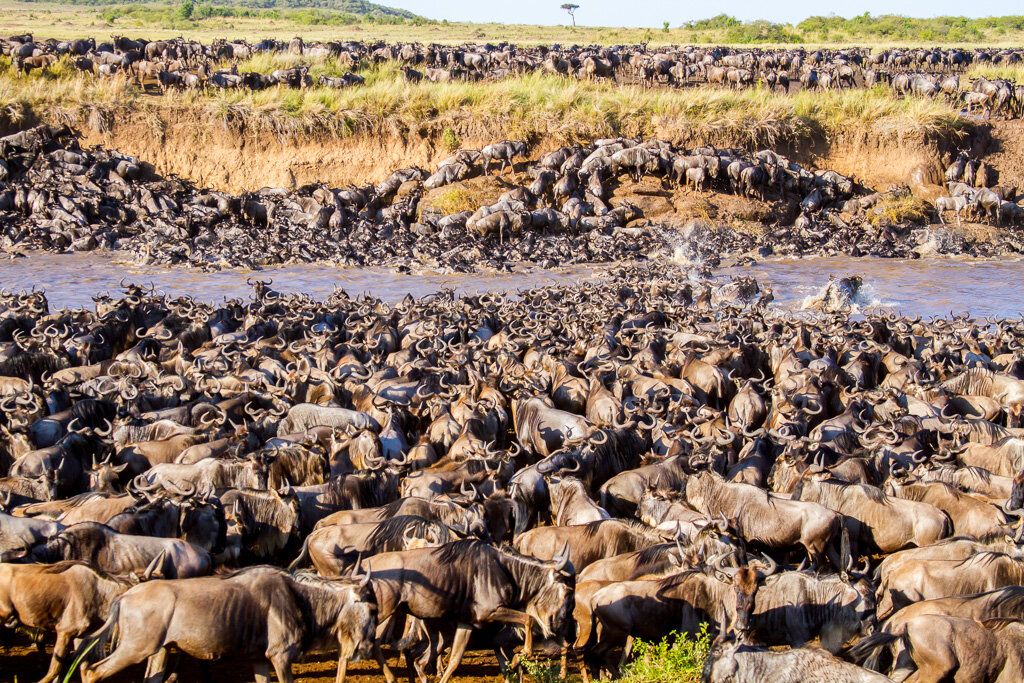
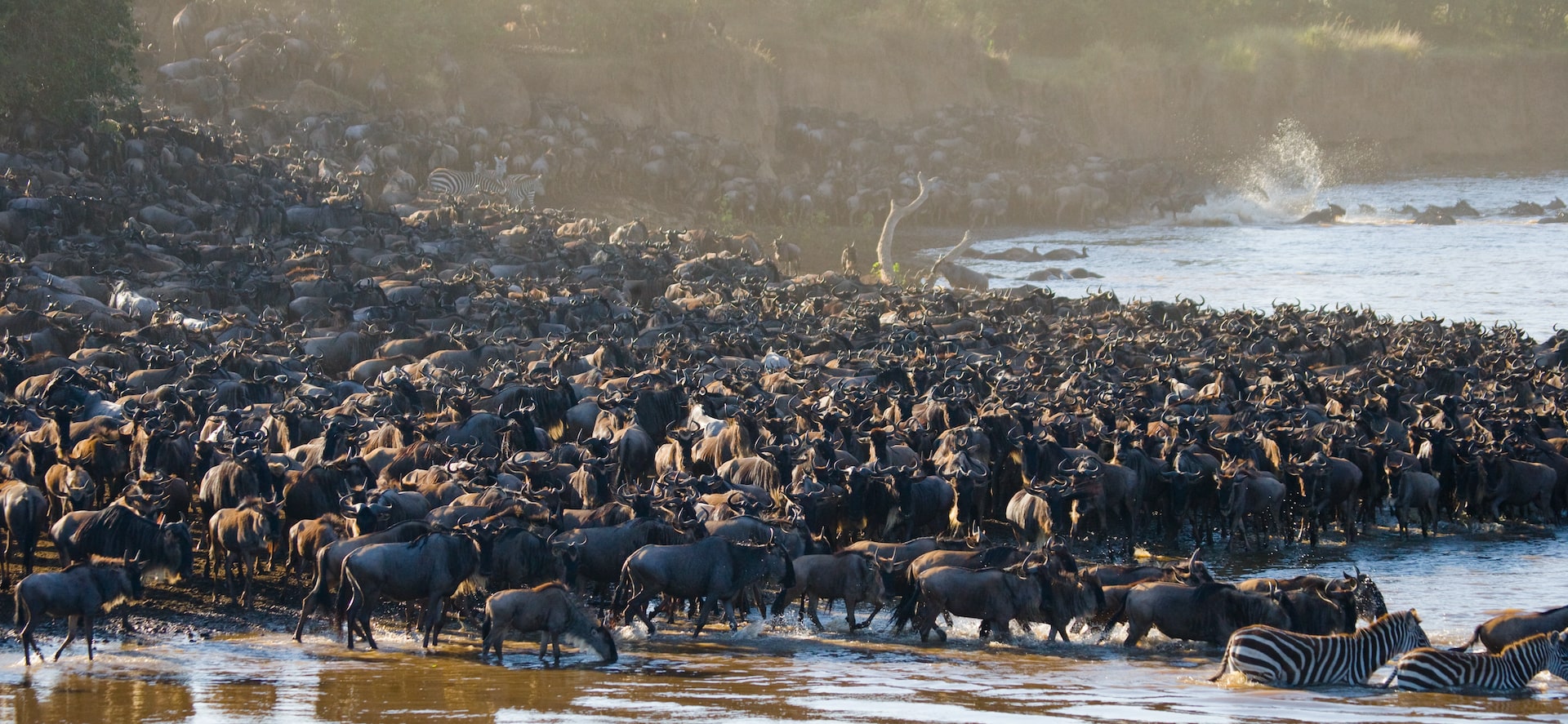
In season (June – October), destinations get so busy with tourist activities. Sometimes, lodges and operators may cheat on their sustainability practices due to the high volume of visitors. Also, not all visitors will have a sense of humor as you do.
In this case, you can avoid the high season, and come another time later in the green season (November – May). There are a few vehicles in the park and the lodges. As a result, you just saved nature by avoiding overcrowding a safari destination.
Traveling sustainably is a new culture that every safari-goer should learn. The world is changing. We are losing species, one by one at a time. Tourism is essential for revenue generation, yes, but where will we be in the next century? Sustainable travel should be in our DNA if we want to pass this heritage to the next generation.
At Salt Holidays, we care about sustainability, even the tiniest details. Travel with us sustainably to save nature and support the communities.