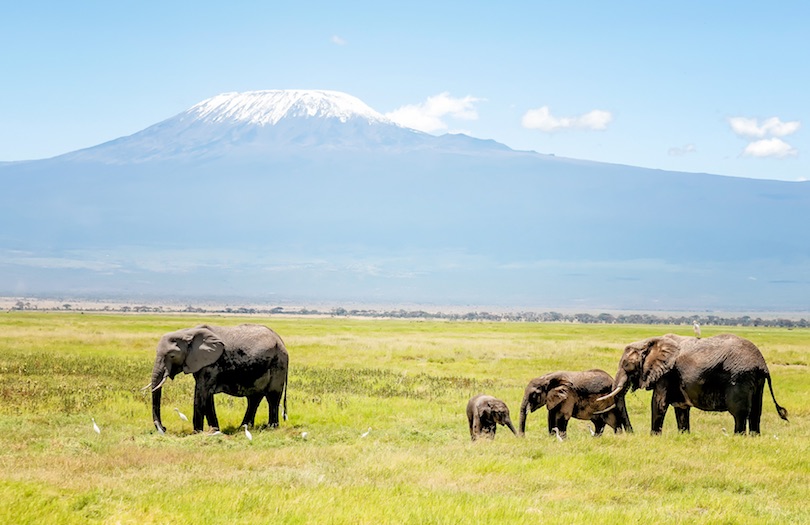
What Is Special About Arusha? The majority of people only think about Arusha as the capital of Tanzania for safaris or as a place to stay while climbing the snow-capped Mount Kilimanjaro. You shouldn’t ignore this East African city, though. A massive clock tower marks the center of the Old British Empire, which is represented by Arusha, which is situated exactly midway between Cairo and Cape Town. Explore this city; there are many reasons to do so beneath its chaotic, dusty façade.
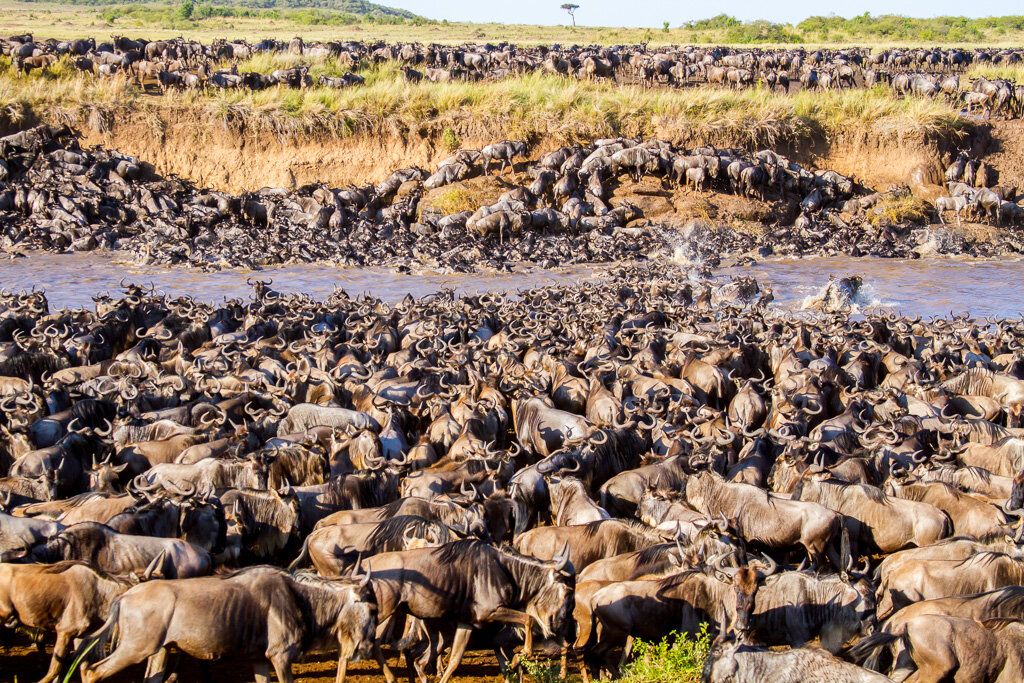
What is special about Arusha? Arusha, one of Tanzania’s most well-known and unique cities, is well-known to visitors from all over the globe. As the epicenter of east African safaris, Arusha is also a well-liked destination for travelers getting ready to hike Mount Kilimanjaro. Numerous east African safari sites, including the Serengeti, Kilimanjaro, Tarangire, Ngorongoro, Maasai Mara, and Amboseli, to name a few, begin in Arusha. In addition, Arusha is unique for a variety of other reasons. The following is a list of those additional reasons:
It boasts a breathtaking mountain backdrop.
Tanzania’s second-highest peak, Mount Meru, is frequently visited by tourists as a warm-up for climbing the formidable Kilimanjaro. Some, though, are content to observe it from a distance. If you’re in the latter group, you’ll be happy to learn that Arusha has a breathtaking backdrop thanks to this inactive volcano. If you don’t feel like working out, you may still visit the lower slopes of the park and take a far less taxing camel safari or swim under the waterfalls at Arusha National Park.
It has an intriguing culture.
Over 100 nationalities are represented in the population of Arusha. In addition, dozens of other indigenous and ethnic cultures coexist with the Iraqi, Hadzabe, Maasai, and Swahili languages. Communities of Muslims and Christians coexist together, and people will extend a warm greeting to you in Swahili, called “Karibu,” which means “welcome.” Numerous cultural tourism initiatives plan visits to neighboring communities where participants can interact with the Wa-Arusha and Maasai tribes.
It’s the heart of the Tanzanite gemstone.
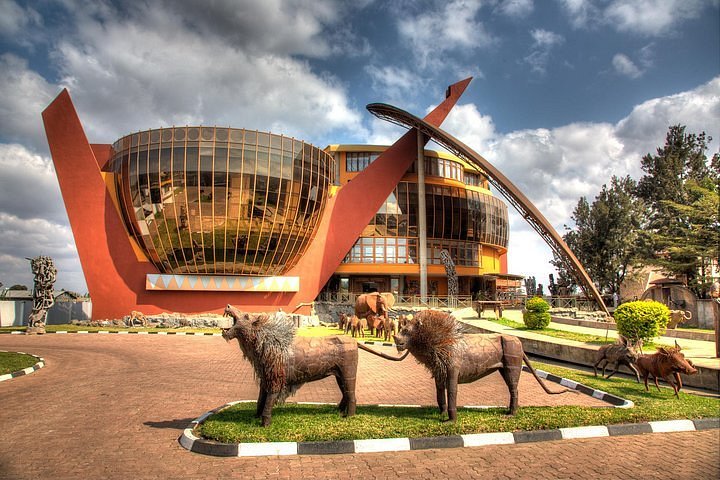
The Tanzanite Experience, the world’s only museum devoted to this gemstone, is located in the center of Arusha. Tanzanite is the birthstone for December and one of Tanzania’s most proud exports. Take the elevator to the third level at the Blue Plaza on India Street. Free guided tours take you inside a temporary mine and explain the background of this vivid blue diamond that is mined in Mt. Kilimanjaro’s foothills. Examine the stunning tanzanite jewelry that is on display, and if it makes you feel hot, buy it.
It has a vibrant food market.
One of the best venues to see Tanzanian life is the Central Market in Arusha, which is an absolute sensory overload. Be prepared to barter and keep your wits about you since locals will do everything in their power to be your tour guide (for a price) and traders are motivated to make a sale. A vibrant mood permeates the numerous kiosks selling exotic fruit, coffee, nuts, and spices.
It has a surprisingly good café culture.
Unexpectedly for this quintessential African city, Arusha boasts a respectable assortment of coffee shops offering European-style cups of coffee, iced lattes, and flat whites. Explore Boma Road’s Africafe and Jambo Coffee House, Sokoine Road’s Café Barrista, and Themi Road’s Fifi’s. For those who have a deep passion for coffee, there are opulent coffee lodges located outside of the city that offer “Bean to Cup” plantation tours.
It has some interesting museums.
The museums in Arusha are an excellent place to start if you want to learn more about the political, cultural, and social history of Tanzania. The Arusha Declaration Museum, located near the Uhuru roundabout, provides insight into the nation’s struggle for independence and serves as a visual representation of its colonial past. The National History Museum takes tourists on a trip through human evolution in its German fort located off of Boma Road. Visit the Cultural Heritage artisan mall to see a large assortment of African sculptures, paintings, and artifacts.
It’s great for shopping.
Numerous stores in Arusha Central Market sell hand-woven baskets and Maasai textiles. But it’s worth visiting the Mt. Meru Curiosities & Crafts Market (also known as the Maasai Market) on Fire Road for the best selection of African trinkets and souvenirs. It boasts the largest assortment of goods in the city, but it will require some assured haggling and an acute eye to choose the best items. Visit the Maasai Women’s Fair-Trade Center on Simeon Road if you want to shop ethically. Additionally, the Cultural Heritage Craft Mall provides a laid-back shopping atmosphere.
It has an exciting food scene.
You have an abundance of options when it comes to simple street food in Arusha. At Discovery Restaurant, take a seat next to the Maasai men and enjoy Nyama Choma, which is roasted beef and corn, along with chapatti, pilau, and biryani. A cult following is developed by Khan’s BBQ on Mosque Street because of its “Chicken on the Bonnet” street food and heaping platters of Indian-style salads, naans, and chutneys. In the downtown streets, roadside foods are always available, and foodies love the monthly Arusha Farmer’s Market.
There are many places for quiet reflection.
At first, Arusha can seem like a crazy place to visit. If you go a little further, you’ll discover some unexpectedly calm areas. Run by a women’s community enterprise, Eat Wild is an eco-restaurant serving organic meals in the verdant Themi Living Gardens. Another urban haven is The Mulberry, where you can relax on plush daybeds, take in the birdsong, and sip some of the best drinks the city has to offer. Try the sunset in Arusha or a mango margarita.