What to do in Queen Elizabeth National Park 2026?
Queen Elizabeth National Park is the most popular national park in Uganda, and a safari jewel in Uganda’s diverse landscape that enchants visitors with its stunning natural beauty and rich wildlife. The park was established in 1952 spanning in 1,978 and was named Queen Elizabeth National Park in honor of Queen Elizabeth II following her visit to Uganda in 1954. Queen Elizabeth National Park is nestled between the majestic Rwenzori Mountains and the shores of Lake Edward, encompassing a variety of ecosystems, including savannah, forests, wetlands, and volcanic craters.
The park’s unique geography is made up of savannah plains and rolling hills dotted with crater lakes, such as Lake Katwe known for its salt extraction. The Kazinga Channel connecting Lake George and Lake Edward is a focal point of Queen Elizabeth National Park, renowned for its large population of hippos – reportedly the highest concentration in East Africa. Here visitors can do a Kazinga Channel Boat Cruise for close encounters with wildlife along the water’s edge, including herds of elephants, buffaloes and numerous bird species.
Uganda Safari Activities to Do in Queen Elizabeth National Park
Game Viewing
Game viewing is the main Uganda safari activity to do in Queen Elizabeth National Park, morning, evening and night game drives are done on several tracks including the Kasenyi and Queens Mile.
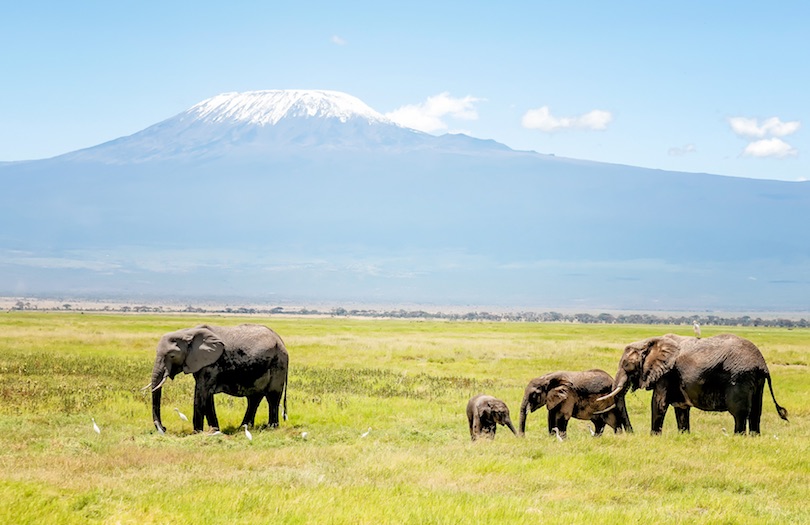
As you drive along these tracks, visitors get a chance to encounter several animals including elephants, buffaloes, waterbucks, warthogs, lions, Uganda kobs, and several bird species.
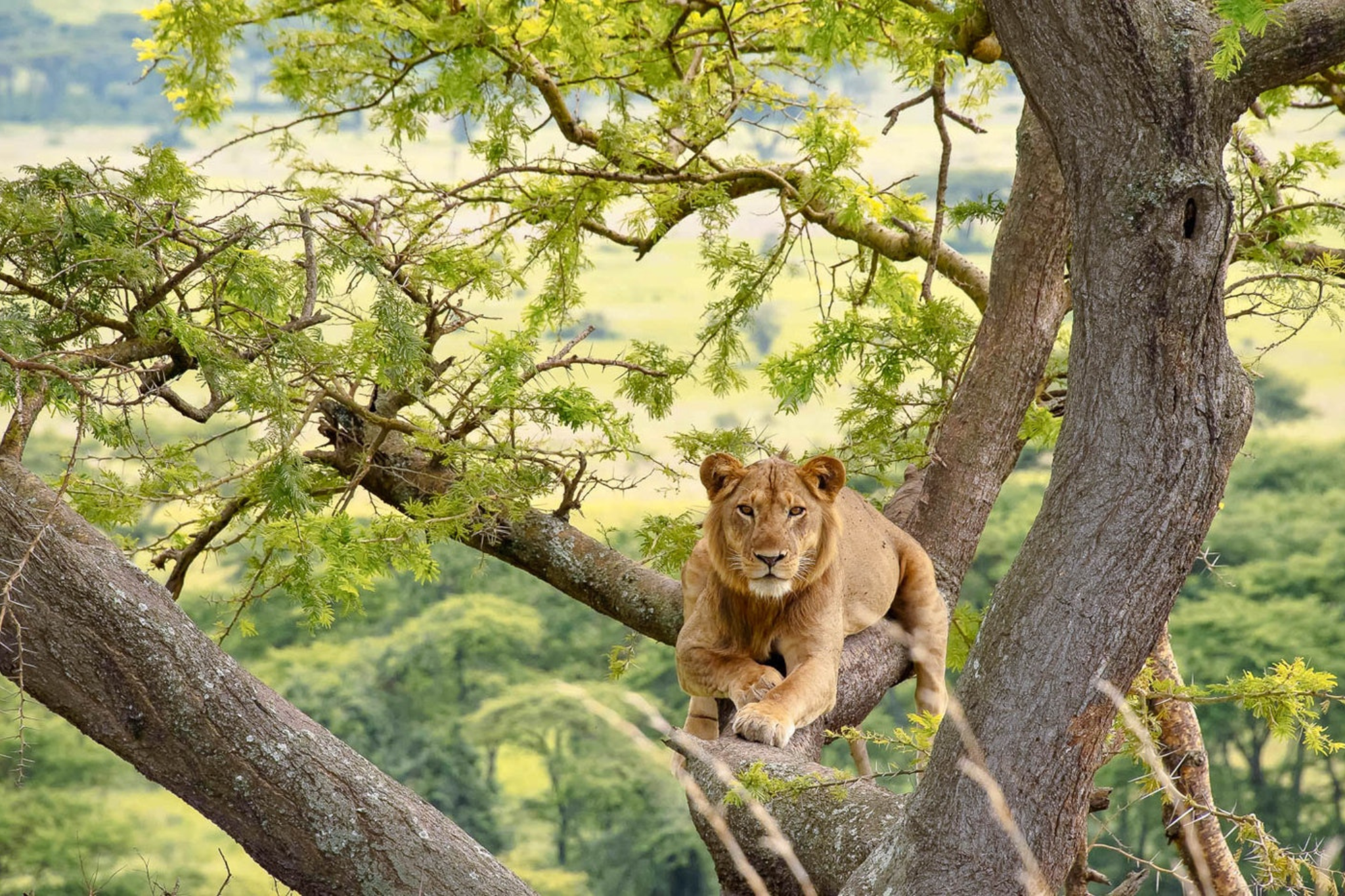
The Ishasha Game Drive Circuit, located in the southern part of Queen Elizabeth National Park is famed for its unique tree-climbing lions, often seen lounging in fig trees, a behavior rare among lions. The Ishasha Sector features two primary circuits that is the Northern and Southern loops, each approximately 20 kilometers long, offering extensive opportunities for wildlife viewing.
Kazinga Boat Cruise
Boat cruise on Kazinga Channel down the shores this beautiful channel connecting Lake Edward to Lake George provides a unique vantage of viewing savannah wildlife.
A launch trips starts at Mweya the park headquarters along the Kazinga Channel which is 32 km. This experience is among the most exciting and memorable experience to do in Queen Elizabeth National Park, while on this trip expect to be thrilling by views of yawning hippos and closer views of water birds along the shores. The boat cruise along the famous Kazinga Channel is worth a while, and offers excellent sightings of hippos, buffaloes, kobs, elephants, warthogs and several bid species including pelicans, African shoebill, Yellow Billed Stork, Great and Long Tailed Cormorants, Open-Billed Stork, among others.
The boat trips are scheduled and normally start at 02:00 pm and 4:00 pm. Also, there is one from 9:00 am operating with the minimum of 4 people on board.
Birding in Queen Elizabeth National Park
Queen Elizabeth National Park is one of the top birding spots in Uganda with over 600 bird species including the African fish eagles, yellow-billed stork, and various kingfishers – the most notable birds. Birds in Queen Elizabeth National Park include Yellow-backed, Yellow wagtails, Yellow throated Cuckoo, Yellow backed Weavers, Wood sandpipers, Winding and Carruther’s Cisticolas, White-winged Warbler, White-winged Terns, White-tailed Lark, White-faced Whistling, White and Abdim’s Storks, Whalberg’s Eagle, Water Thick-knee, Verreaux’s Eagle Owl, Swamp Fly-catcher, Spur-winged and African Wattled Plovers, Spotted Redshank, Slender-tailed Mourning Dove, Slender-billed, shoebill stork, Sedge warbles, Saddle-billed Storks, Ringed Plover, Red-chested Sunbirds, Pin-tailed Whydah, pink-backed pelican, Papyrus Gonolek, Papyrus canary, Open-billed Stork, Northern Pochard, Martial Eagle, Malachite and Pied Kingfishers, Little Stint, Lesser Masked Weavers, Lesser and Birdwatching in Queen Elizabeth National ParkGreater Flamingo, Knob-billed Ducks, Jack Snipe, Grey-headed Kingfishers, Grey-headed Gull, Grey-capped Warbler, Grey Kestrel, Great-white and Pink-backed Pelicans among others.
Chimpanzee Trekking at the Kyambura Gorge
Chimpanzee trekking in Queen Elizabeth National Park is done in Kyambura Gorge a canyon located in the heart of the park. The gorge was formed as a result of weathering and erosive activity of the river over a given time forming a deep cleft between escarpments.
Kyambura Gorge has over 27 individual of chimpanzees, these chimpanzees have been habituated to human contact and on this experience, expect to spend hours tracking our closest relatives through the forest led by a Uganda Wildlife Authority guide. Chances of seeing the chimpanzees are about 60%, the experience is a real forest quest and a sighting is all the more special because of that.
Visiting the Lake Katwe Salt Mines
To understand the human history of Queen Elizabeth National Park, visit the salt pans at Katwa where you will marvel at the fortitude of the people who work in this most astrigent of environments. The trade in salt has deep historical roots that once formed the wealth of a powerful kingdom.
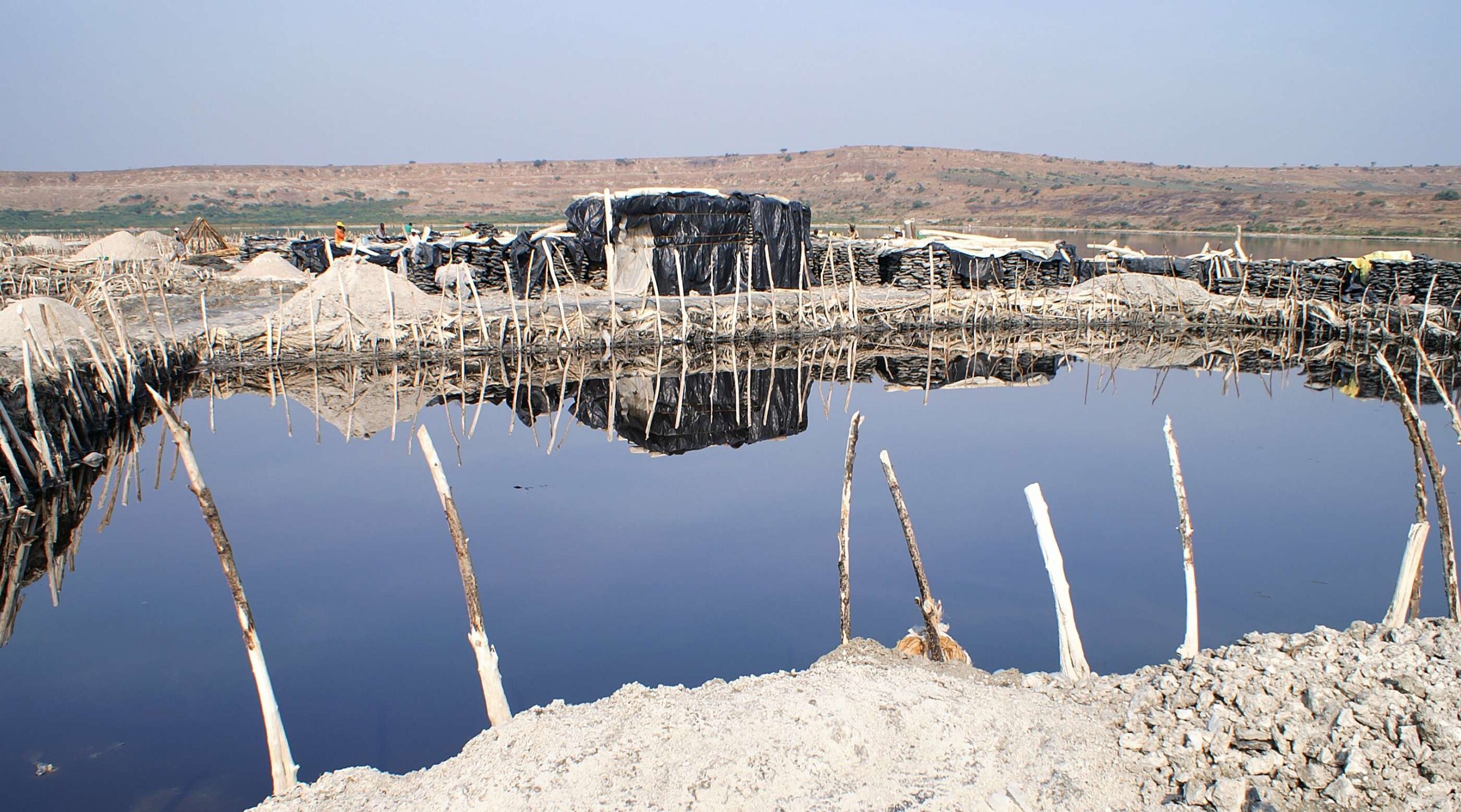
Take a walk around the pans, observing the traditional techniques applied in the shadow of an abandoned processing plant that proved unable to handle the high levels of salinity found at Katwe. It is hot here and the sun glare is harsh.
When to Visit Queen Elizabeth National Park
Queen Elizabeth National Park is accessible all year round, however the best time to visit is during the dry months, from June to early October and again in December through to early March.
Uganda experiences equatorial climate and so receives rainfall much of the year. With the changing weather patterns, the rigid seasonality is becoming outdated. So pack a waterproof and get ready for anything. The heaviest rainfall ours in April, traditionally May as well, but this has been relatively in recent years.
Getting to Queen Elizabeth National Park
Queen Elizabeth National Park is accessed by road and air transport.
By road – The Park can be picked up either from Kampala City or Entebbe, then drive through Kampala, Mityana, Mubende, Fort Portal road then to Queen Elizabeth National Park. The journey takes over 420 km to reach the Mweya Peninsula and almost 7 hours.
Alternatively, you can also get to Queen Elizabeth National Park through Kampala, Masaka, Mbarara and Bushenyi road to the park, this journey is over 400 km and 7 hours of drive to reach the Mweya Peninsular
By Air – Domestic flights can be arranged to Queen Elizabeth National Park from Entebbe International Airport to Mweya Airstrip or Kasese Airstrip. Then be transferred to the park by a vehicle.