Tsavo West National Park is located on Kenya’s coast along the Indian Ocean, only a few kilometres from coastal life. A highway spans and divides Tsavo West National Park from Tsavo East National Park. The other is the railway line that connects Nairobi to Mombasa. The Tsavo Conservation Area, which includes bordering ranches and game-protected areas, forms the park. The Tsavo West National Park is a popular tourist attraction because of the beautiful magnificence of the Mzima Springs. The park is rich in wildlife, has a rhino reserve, a well-developed road network, rocky kopjes, and the Tsavo River.
The park is also known as “the land of lava, springs, magical sunsets, and man-eaters.” It is home to 50 million gallons of beautiful crystal water that gushes out from behind the parched lava rock. The Mzima Springs are the most popular attractions in the park. Tsavo West National Park features shetani lava flows as well as stunning mountainous terrain. The vegetation consists primarily of open Savannah grassland, with Acacia woods, scrublands, riverine vegetation, and rocky ridges.
Tsavo West National Park is one of Kenya’s largest, having an area of 9065 square kilometres. The terrain features a diverse range of landforms, including swamps, mountain peaks, and natural springs. The park’s broad grassland is dotted with jagged rocks and surrounded by lush vegetation. With its huge search area, the park is one of the top game viewing places in Kenya, offering all of Africa’s big five. The park, like its counterpart, Tsavo East National Park, was founded in 1948 and is managed by the Kenya Wildlife Service.
Historically, the park is thought to be the hub of the old stage age period, with numerous recordings indicating that men and kids settled in the park around 6000 years ago. The archaeological remains are located near the Galana River, which was an important supply of water for the ancient inhabitants. The occupants were fishermen and hunters who kept a modest number of domestic animals. They occupied the water source by encircling the edges of the river, which provided them with water for both domestic and animal use.
The fabled history of man-eating lions in Tsavo West National Park dates back to the nineteenth century, during the construction of the Uganda Kenya Railway. Poaching also occurred in the park in the 1980s, reducing the number of species in the protected area significantly. Despite these issues, the park is still one of the greatest in Kenya. To see all of the big games, you simply need to be patient when driving vast distances. The long, evergreen grass adds to the scenery while also serving as a hiding place for most animals, particularly large predators and shy rhinos.
How to Get To Tsavo West National Park
The park is accessible by both road and air (flight). It is only 240 miles from the capital, Nairobi, and 250 kilometres from Mombasa to Mtito Gate. One uses the Nairobi Mombasa Highway, which is a smooth asphalt road that runs through the centre of the two parks.
You can fly from Jomo Kenyatta International Airport to Wilson Airport or connect from other domestic airstrips within the national park. The park contains three airstrips: Kamboyo, Tsavo Gate, Kilaguni, and Ziwani.
All visitors who begin their journey to Tsavo West National Park from Mombasa enter the park via Tsavo Gate near Manyani. The other alternate gate for people entering the park via Amboseli National Park is Chyulu Gate, while those entering from Nairobi use Mtito Andei Gate. The Taveta-Voi road, which passes through Ziwani, Jipe, and Maktau gates, also provides access to the park.
Attractions in Tsavo West National Park
The park has a good amount of attractions. Many people may ask what visitors to Tsavo West National Park can view. You’ve come to the right spot. In this post, we’ll go over all of the main attractions and activities available at the park. Below are the highlights:
The Mzima Springs
This is the most popular attraction in Tsavo West National Park. The spring produces more than 50 gallons of pristine crystal water from behind parched lava rocks. It is a lovely and magnificent location to witness the water pouring from within the rock.
Vibrant Volcanic Arena: The park contains the longest volcanic lava not only in Kenya but across Africa. Locals believed that the Devil created the Shetani lava over 200 years ago. It is highly distinctive and provides a resting place for lions during the majority of the morning as they come to sunbathe.
Ngulia Sanctuary
These are some of the few sites in Kenya where black rhinos are flourishing. The Sanctuary is home to black rhinos, who nearly became extinct due to poaching in the 1960s.
Wildlife
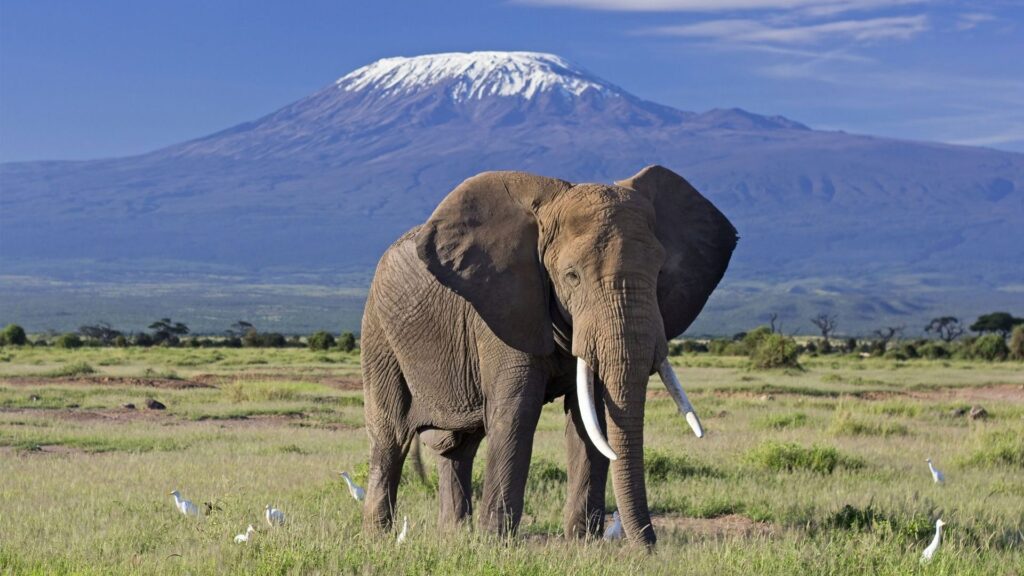
The Tsavo West National Park is home to all of Africa’s big five: lions, rhinoceros, elephants, leopards, and buffalo. Other animals include giraffes, zebras, crocodiles, hippos, monkeys, wild dogs, oryxes, and many others. Not to mention the astounding amount of bird species in the park. The majority of travellers enjoy exploring Tsavo’s animals with Tsavo West Kenya Animal Tours.
Lake Jipe
The lake is home to aquatic life, particularly birds, and is located near the Tanzania-Kenya border. It’s a birdwatching section of Tsavo West National Park.
Activities at Tsavo West National Park.
Animal watching
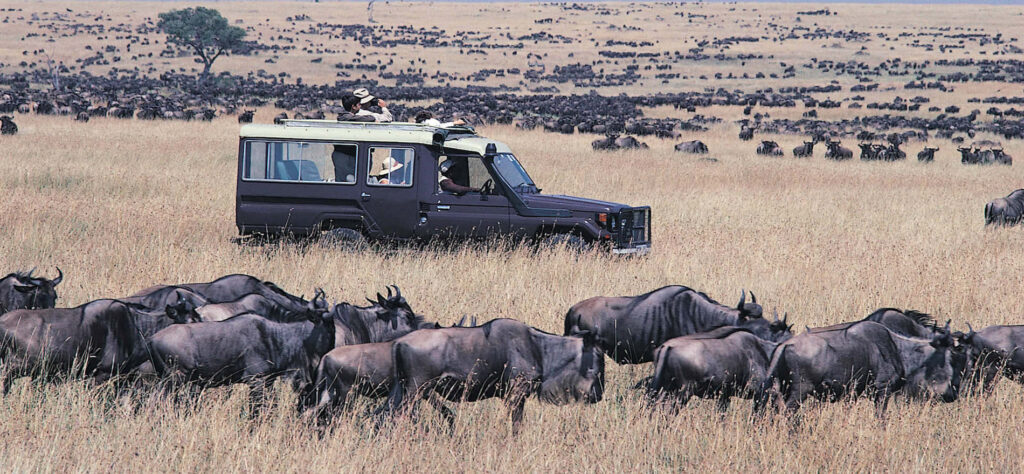
Tsavo West National Park provides the most spectacular animal viewing not only in Kenya but across Africa. The park is less busy, so animals can roam freely without disturbance. Though the forest cover is heavy, particularly during the rainy season, it has little effect on wildlife viewing in the park. It merely takes some patience to have more opportunities to watch more games. There is a good probability of seeing all five of the African big cats because the foliage makes leopards more visible. Other animals in the park include various species of antelope, hippos, dick-dick, giraffes, warthogs, and more.
Birding and bird watching
Birders like activities in Tsavo West National Park during their Kenya Wildlife Tours because of its quiet character and the great potential to see more bird species in a day than Masai Mara National Park, Amboseli, and other overcrowded parks. The park is home to around 600 bird species, including dry-country specialists such as the Pied kingfisher, vulturine Guinea fowl, golden palm weaver, and eastern black-headed oriole. At Tsavo West National Park, birding safari tours in Kenya are so simple and straightforward.
Visit Mzima Springs
The park receives more than 50 million gallons of crystal-clean water. It is located in the northern portion of Tsavo West National Park, where water from the Chyulu highlands runs beneath the lava ridges, creating natural watering holes for visitors to see. The springs are stunning and more scenic, making them unique and appealing.
Rock Climbing
The park also attracts those who enjoy rock climbing. This provides an aerial perspective of the national park. While up on the rock, it’s nice to watch enormous animals like elephants beneath you. The rocks are 300 meters high and include Elephant Rock, Great Tsavo Chimney Rock, Kichwa Tembo, and others. The Mountain Club of Kenya organises the climbing arrangements.
Visiting Ngulia Rhino Sanctuary.
The Ngulia Rhino Sanctuary is home to endangered black rhinos and covers 90 square kilometres of land. An electric fence surrounds it, providing strong security against poaching and confrontations between humans and wild animals.
Tsavo West and Tsavo East combine to cover 4% of Kenya’s protected land area. It is one of Kenya’s and the world’s largest national parks, home to the African Big Five, including a sizable population of rare black rhinos.
Make your vacation unique by visiting Tsavo West National Park, which provides excellent wildlife viewing opportunities during your Kenya Wildlife Tours.