Katavi National Park is the perfect place for people looking for peace among stunning landscapes and away from the far-off hum of safari cars because it is mainly unexplored by civilization and tourist activity. Katavi National Park, a relatively pristine natural beauty in western Tanzania, is home to the largest herds of buffalo on earth.
The park is home to a diverse range of habitats, including as thick reed-covered flood plains, dense streams filled with hippos and crocodiles, vast grasslands, and pristine seasonal lakes. Curious tourists can locate the tamarind tree, which is reputed to be home to the ghost of a legendary huntsman called Katabi. At the base of the tree, they might pay respects to this exceptional hunter by making an offering.
History of katavi National Park
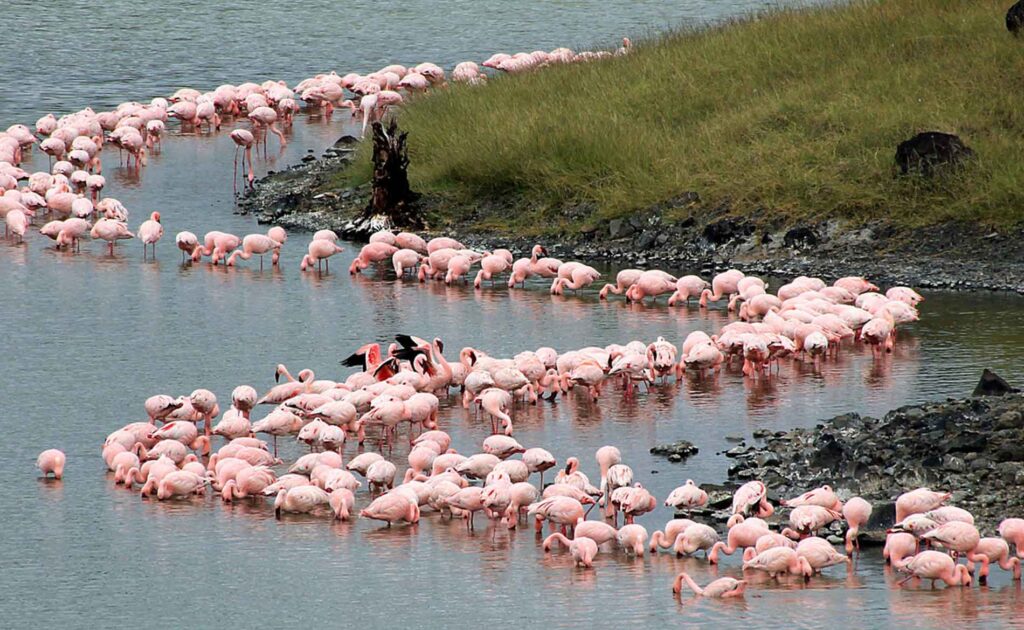
Katavi National Park in the Rukwa Rift has expanded to cover 4470 km2, making it one of Tanzania’s top ten largest national parks. The Katuma River links the three vast floodplains that comprise the Katavi ecosystem, which is home to an abundance of waterfowl, hippos, and crocodiles. Enormous herds of animals swarm the savanna plains during the day, and when the day comes to an end, an equally amazing array of predators watches tensely for their return to the forest.
Birds and mammals in katavi National Park
Like Ruaha National Park, Katavi is home to a wide variety of antelope, including as Topi, Roan, and Sable, all of which are commonly spotted in large herds. Predators, along with leopards and hunting dogs, can boast some of the most luxuriously maned lions you will ever see. It’s fascinating to watch hippo compete for space in the tiny ponds as the river dries up and crocodile tunnels start to show up along the bank. In the larger Katavi area, 373 different species of birds have been observed. The months of the green season will see a higher concentration of migratory species.
Katavi National Park is home to a diverse range of wildlife, including African buffaloes, lions, leopards, cheetahs, wildebeest, giraffes, elephants, and zebras. It’s common to spot crocodiles and hippos along the banks of the Katuma River. During the dry season, hippos relax in mud holes and use the mud to protect their sensitive skin.
Scenery and Landscapes of Katavi National Park
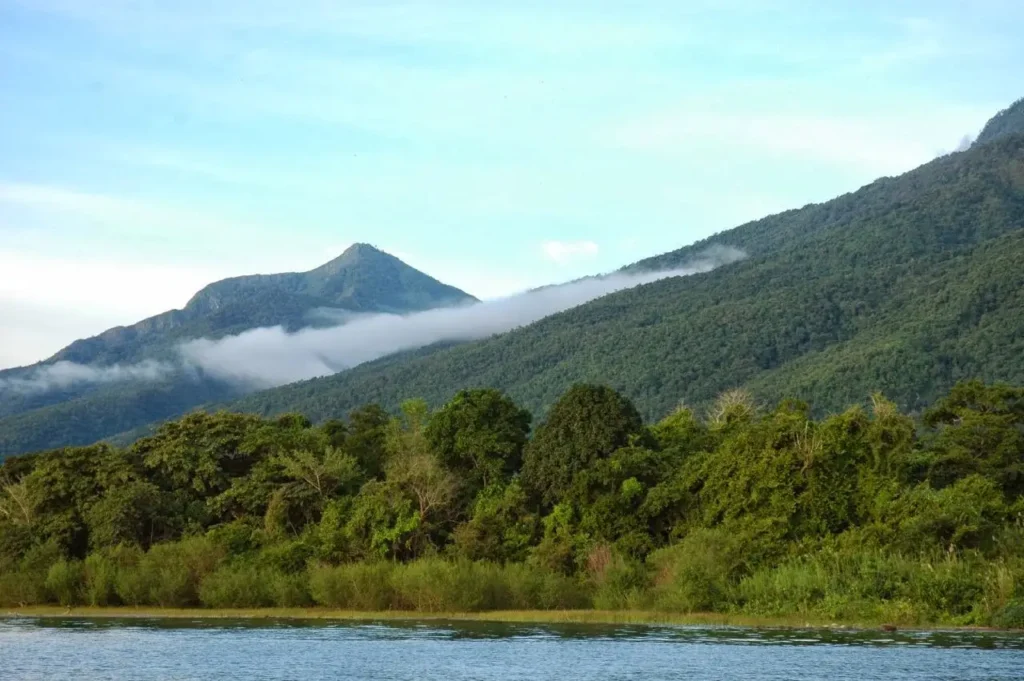
Katavi’s surrounds transport one back to an earlier era in Africa; three low-lying seasonal lakes (Katsunga, Chada, and Katavi) are encircled by evocative brush and palm the palms against the backdrop of mountain ranges. The lakes form a pleasing green belt that runs through the countryside, providing a contrast to the drier areas surrounding them. The Katuma River joins the lakes. In reality, the lakes are marshy swamps during the rainy season and open plains during the dry.
Tourist Activities: Things to do In Katavi National Park
Game drives
An excellent vehicle, experience, and knowledge are the ingredients for a great game drive. All of the park’s game drives are conducted in open-wheel drive vehicles. Because of the way these vehicles are made, every guest will have the finest visibility possible. The wildlife drives will be led by an experienced, knowledgeable English-speaking guide who will ensure that you get the most out of every Tanzania safari tour.
Special Events
We think “Paradise,” the name of Katavi’s plain, is rather fitting. The trip to Paradise involves a picnic lunch on the edge of the magnificent and unending plains of paradise, mixed with a full day of wildlife viewing.
Visiting historical sites.
Katavi National Park has an interesting past. It is possible to tour the Kabora-Lyonga-slave route, which passed through this area during the slave trade. Visitors can also see the famous tamarind tree that lends the park its name, in accordance with local custom. In Katavi customs, the tree is thought to be the home of the famous hunter Katavi, and locals feed the tree’s roots in order to bring good fortune on hunting expeditions.
Birdwatching
With almost 400 different bird species living there, Katavi is a fantastic place to go birdwatching. With a guided walking cost per group of $23.60 for a short walk or $29.50 for a longer one, the prices come to about $59 per person.
Walking Safaris
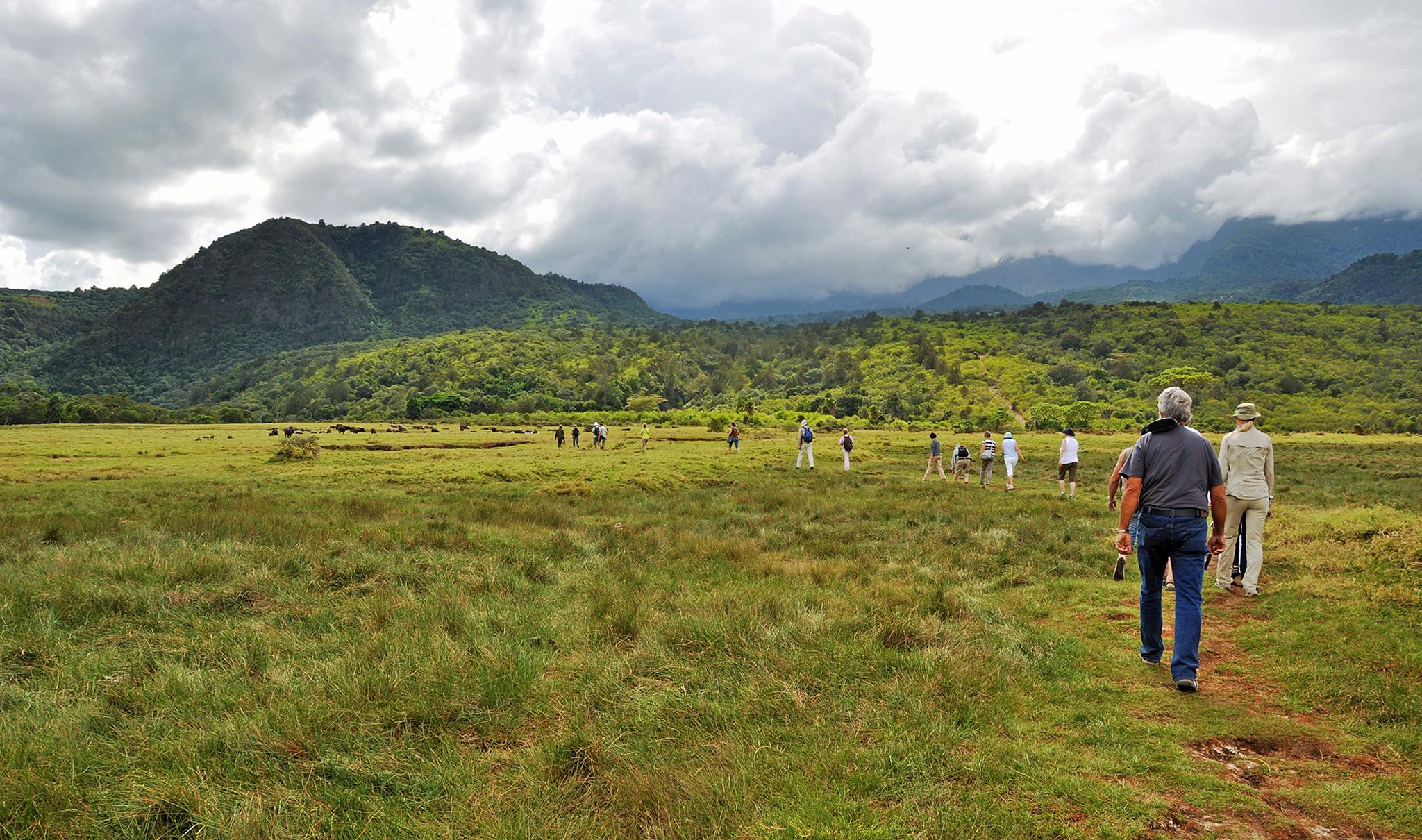
Hikes with armed rangers and camping in the bush are examples of walking safari adventures. A seasonal floodplain around Lake Katavi, the walking safari road offers views of grazing hippos and crocodiles.
Getting to Katavi National Park.
The most feasible way to get to Katavi is by chartered flight, which takes 4–5 hours from Arusha or Dar es Salaam. You can fly into Katavi from either the Kilimanjaro International Airport (46 km from Arusha) or the Julius Nyerere International Airport in Dar, depending on your schedule.
When driving, the distance between Dar es Salaam and Katavi is 22 hours and 2-3 days, respectively. Fly instead of taking a long, tedious car journey, we say. The biweekly trip operated by Safari Air Link between Ruaha National Park, Katavi National Park, and Mahale Mountains is the sole scheduled flight.
Best time to Visit Katavi National Park
The yearly dry season, which runs from June to December, is the ideal time to visit Katavi National Park. Being one of the few sources of water during the dry season, the Katuma River presents some of the best options for animal viewing in the area.
Hundreds of hippos and crocodiles gather around the few available waterholes, while thousands of topis, impalas, and zebras roam the plains. Even with the peak season’s rise of tourists, you’ll have the park all to yourself.
Accommodation: where to stay at Katavi National Park
Camp Chada
Situated 50 kilometres east of Lake Tanganyika, Chada Camp is managed by Nomad Tanzania. Chada Camp has six safari tents available. They enjoy broad views of the neighbouring pastures and are flanked by trees. Youth 12 years old and up will love camping, and the tents are spaced apart to provide you the most privacy possible. Each tent has a writing desk, a comfortable bed, and sheer windows that let in natural light. The hostel is decorated with palm matting and soft natural materials. Every tent has a separate bathroom with a flush toilet.
You could relax while admiring the lovely surroundings after a busy day of activities, and you might even encounter an elephant herd. Visitors can relax, read, or watch buffaloes, giraffes, and elephants as they pass by in the roomy shared tent. Breakfast and lunch are provided in the dining tent.
Customers have the option of dining both indoors and outside. Before dinner, guests gather around the campfire for refreshments and munchies. Chada Camp offers a variety of safari activities, such as 4WD game drives, supervised walking safaris, picnics amid the wildlife, and bird viewing.
Mbali-Mbali Katavi Camp
Mbali-Mbali Camp, which experienced a complete renovation in 2018 and now has a modern, minimalist style, offers eight comfortable tents for rent. The open-sided, two-tiered thatch and wood houses comprise the common areas.
Mbali-Mbali Katavi Camp
Every canvas tent is built on a raised wooden platform and has a thatched roof. Every room has a veranda, a sofa, and a traditional Zanzibari bed. The campground offers one family room with a double and twin tent attached on a common platform.
Contemporary en suite bathrooms have flushing toilets, double sinks, and glass showers. The camp offers a delicious assortment of western favorites and specialties from the area. On a safari, you can begin your day with a buffet at the campground or enjoy a bush breakfast while admiring the park’s vast landscapes.