Lake Mburo National Park is located in the western section of Uganda, in the eastern portion of Mbarara, the major city in the western subregion, in Kiruhura District, 240 km and 5:03 hours from Kampala, the capital city.
Lake Mburo National Park is a forest reserve and game reserve that covers 260 square kilometres of land. It protects over 300 bird species, including the saddle-billed stork, geret snip, African finfoot, shoe bills, papyrus, yellow warbler, white winged warbler, tabora cisticola, brown chested wattled plover, and many more. It is home to 100 different species of mammals, including reed bucks, elands, antelopes, buffalos, oribs, hyenas, warthogs, defassa, lions, water bucks, and many more. There are 240 tree species, including savannah grassland, acacia trees, and many others.
Lake Mburo National Park offers a sculptured environment with a diverse range of species, including lakeshores, forest reserves, seasonal and permanent marshes, and grassy valleys that support a wealth of animals during tropical seasons. The park also features a variety of habitats, including arid mountains, bushy thickets, wide savanna grassland, and acacia trees that provide food for animals.
Lake Mburo National Park was designated as a hunting place in 1933 by local locals, the Banyankole and Bahima, who used to graze their cattle on the park’s premises. A number of species were killed, and the park was upgraded to a game reserve in 1963, which lasted until 1983. It was later formed in 1991 and designated as a World Heritage Site.
The park is set in a low topography with lovely lake shoreline and a variety of wildlife, including crocodiles, hippos, African fish eagles, fin foot, water cormorants, and many others. It is surrounded by swamps that harbour secret papyrus species including sitatunga antelopes and red, yellow, and black papyrus gonolek.
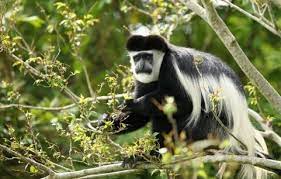
A safari to Lake Mburo will show you the richest faunal community in East Africa, with an estimated 200 mammals such as zebras, hyenas, oribs, reedbucks, buffalos, waterbucks, 240 tree species such as acacia wood trees, savannah grassland, 9 primate species, and many more. The park ranges in altitude from low to high and is controlled by the Uganda Wildlife Authority.
Lake Mburo National Park contains acacia forests and savanna grasslands that provide tourists with fresh air while also serving as habitat for wild species such as zebras, elephants, water bucks, orbs, and many others.
Lake Mburo National Park also offers a variety of tourism activities, including game drives, nature walks, a conservation education centre, bird viewing, horseback riding, and camping in the park, which we highlight below:
Guided Nature Walk
The guided nature walk is undertaken on foot with the assistance of an armed guide who informs tourists about the numerous flora and fauna species such as oribs, sitatunga, eland, zebras, water bucks, and many more species.
Boat Cruise
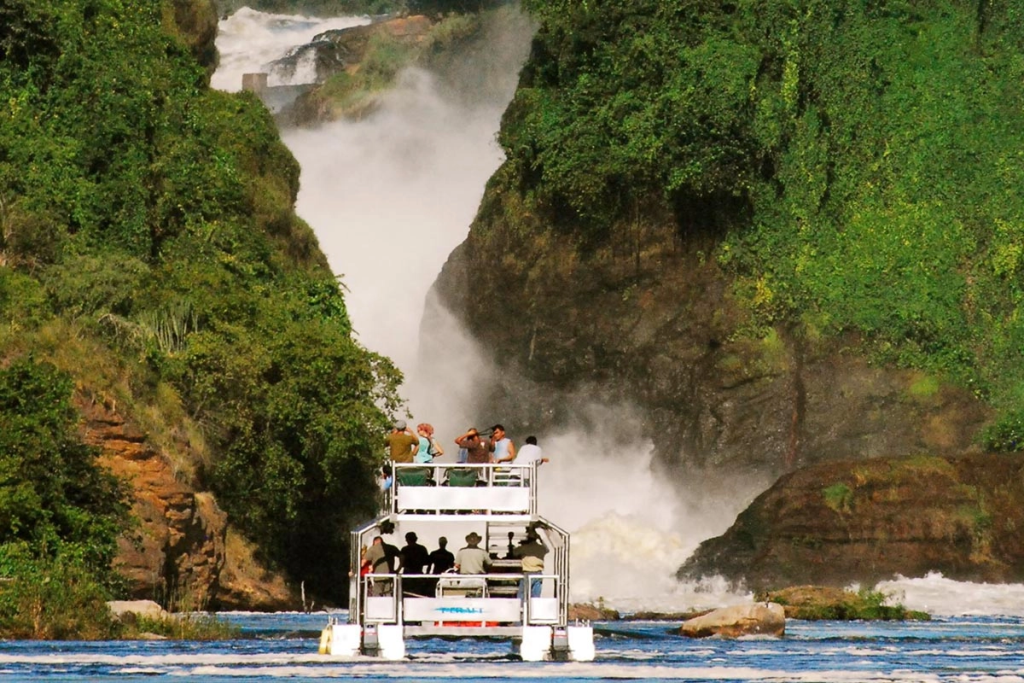
Boat cruises are conducted around the eastern beaches of Lake Mburo and can be explored from a lakeside camping near Rwonyo Rest Camp. During the two-hour tour, tourists can observe crocodiles and hippos, as well as a variety of birds such as African fish eagles, finfoot, shoebill storks, and many other species.
Game drive
Game drives are conducted in the hinterland of Lake Mburo with an armed guide who leads you through the drive while explaining to tourists and allows you to see a range of savannah animals such as zebras, buffalos, impalas, waterbuck, and many more species.
horseback riding
Horseback riding is available around Mihingo Lodge within the park, as well as quad biking using African all-terrain vehicles, allowing travellers to explore the area’s topography and natural floras in comfort.
Conservation Education Centre
The park features an education centre located west of Sanga Gate that houses education halls for schools, conferences, visitors, school groups, and workshops. While visiting Lake Mburo National Park, guests can sleep in places such as Rwonyo Rest Camp, Luxury Tented Camp, Mburo Eagles Nest, Leopard places, and many other options, depending on their budget.
Lake Mburo National Park is a 5:30-hour journey from Kampala, covering a distance of 228 square kilometres. Alternatively, a tourist can fly from Kajjansi Air Strip within 2:00 hours.
Lake Mburo National Park is best visited in the dry season months of February, June, September, and December.