How Much Does a Trip to Tanzania Cost? Budget to Luxury Guide
How Much Does a Trip to Tanzania Cost? Tanzania is one of Africa’s more expensive safari destinations, and the reasons are straightforward. It has some of the continent’s most famous parks, its fees are high, its distances are long and its best camps are small and often remote.
At the same time, the range of options is wide. A group camping safari can cost a fraction of a fly-in luxury trip, and travelling in the green season can cut the bill by a third. Understanding how the price is built is the best way to decide what you can afford and where to spend or save.
This guide explains the cost of a trip to Tanzania at every level. It covers typical daily rates for budget, mid-range and luxury safaris, the total cost of a seven-day trip, what is and is not included; how park fees add up, the effect of season and group size, the cost of flights, Kilimanjaro, Zanzibar and add-ons, tips and extras, sample budgets and practical ways to save. Prices come from 2026 sources and vary widely, so the guide gives ranges and flags where figures conflict.
Rates at a Glance
These figures typically include accommodation, meals, park fees, a vehicle and a guide but exclude international flights, visas, insurance and tips. Always check what your quote includes before comparing prices.
| Style | Per Person Per Day | Typical 7-Day Total (Per Person) |
| Budget (group camping or basic lodges) | About US$180 to US$400 | About US$1,260 to US$2,800 |
| Mid-range (private vehicle, comfortable lodges) | About US$400 to US$800 | About US$2,800 to US$5,600 |
| Luxury (fly-in, premium camps) | About US$800 to US$1,500 | About US$5,600 to US$10,500 |
| Ultra-luxury | About US$1,500 to US$3,000 or more | About US$10,500 to US$21,000 or more |
What Drives the Price
One source says park fees alone usually account for 25 to 35 percent of the total safari cost, and another puts them at 15 to 25 percent of a budget safari and 5 to 10 percent of a luxury one.
- Park and conservation fees, which are set by the government and are the same whatever you pay for your bed.
- Accommodation level, from camping to ultra-luxury tented camps and lodges.
- Vehicle type, with private vehicles costing far more than seats in a shared group vehicle.
- Fly-in versus drive, since charter flights between parks add significantly to the cost.
- Season, with peak months costing 30 to 40 percent more than the green season.
- Group size, since vehicle and guide costs are shared among more people.
- Length of trip and the number of parks visited.
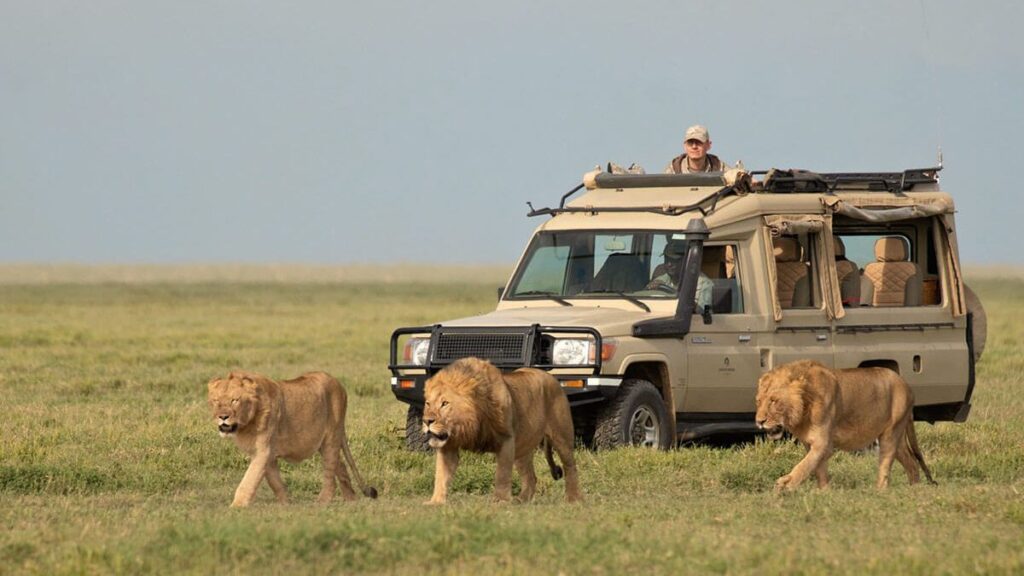
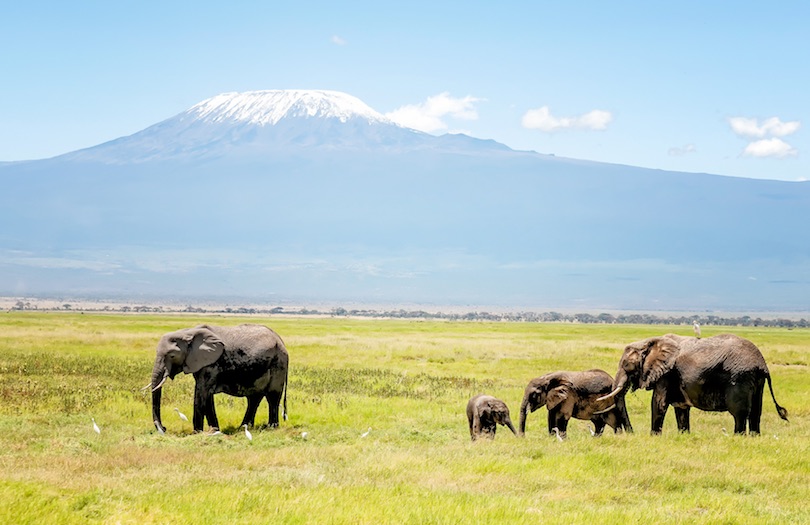
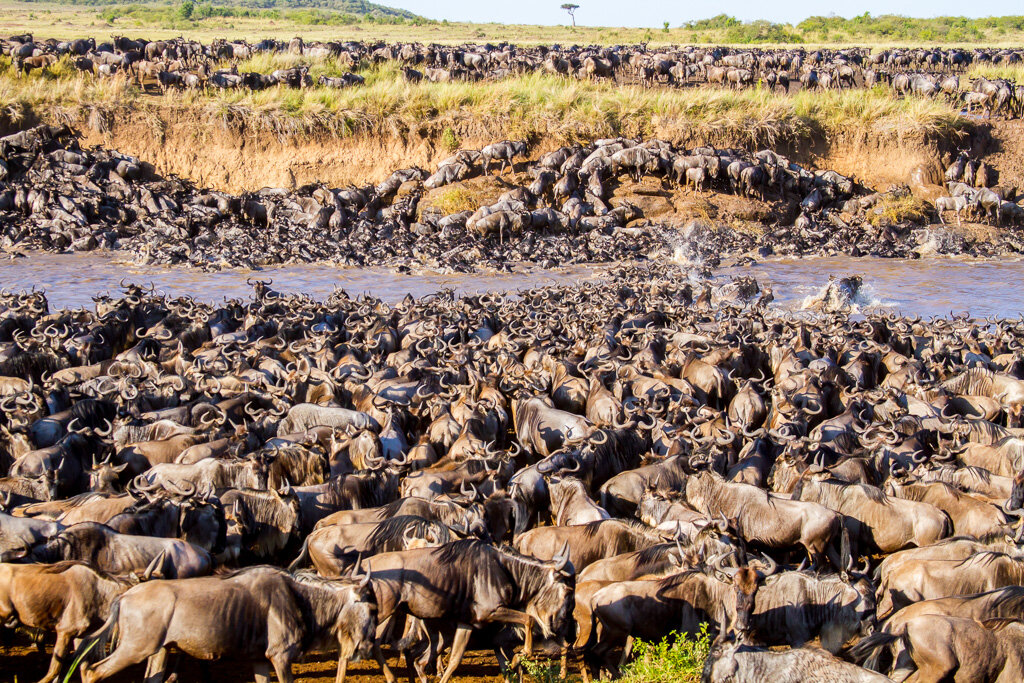
Game Drives in Tanzania
Budget Safaris: What You Get
A budget safari typically uses a group vehicle, public campsites or basic lodges and often stays outside the park boundaries to avoid the high concession fees. Sources quote US$180 to US$400 per person per day, with group camping safaris from about US$250 and the cheapest from around US$150 excluding park fees. A seven-day budget safari costs roughly US$1,260 to US$2,800 per person.
The trade-offs are comfort and flexibility. Vehicles are shared, so schedules are fixed, camping is basic and facilities may be limited. But the wildlife is the same as on a luxury safari, and many travellers find a well-run budget trip excellent value. Choose a licensed operator with good reviews, and check what the price includes.
Mid-Range Safaris: The Sweet Spot
Mid-range safaris offer a private vehicle, comfortable lodges or tented camps, many inside or adjacent to the parks, and a dedicated driver-guide. Sources quote US$400 to US$800 per person per day, with US$450 to US$600 typical from some operators and US$375 for group departures. A seven-day mid-range safari costs roughly US$2,800 to US$5,600 per person.
This tier suits most first-time visitors, offering comfort, good guiding and a flexible schedule without the cost of a luxury trip. One source gives a worked example of a 7-day mid-range safari costing about US$3,870 per person for two people sharing, or about US$553 per day.
Luxury Safaris: What the Extra Money Buys
Luxury safaris use top-end tented camps and lodges, often in prime locations such as the northern Serengeti or Ndutu, with fly-in transfers, private vehicles, excellent food and personalised service. Sources quote US$800 or US$850 to US$1,500 or more per person per day, and ultra-luxury camps can exceed US$3,000. A seven-day luxury safari costs roughly US$5,600 to US$10,500 per person.
The core wildlife experience is largely the same as in mid-range, as one source puts it, but luxury offers exclusivity, better locations, fewer vehicles and a higher standard of comfort. Fly-in itineraries save driving time and add to the cost.
Seven Days on the Northern Circuit
Another source gives a 7-day mid-range private safari at about US$3,870 per person, and a budget version at about US$2,900. Use these as guides, not quotes.
| Cost Item | Mid-Range, Per Person | Notes |
| Park and conservation fees | About US$500 to US$1,156 | Depends on days in the Serengeti and inside-park lodging |
| Accommodation, six nights | About US$1,380 or more | At about US$460 a room per night in one example |
| Vehicle and driver-guide | About US$1,260 | At about US$360 a day for two sharing in one example |
| Meals and activities | Often included in lodge rates | Check what is included |
| Rough total | About US$2,900 to US$5,600 | A mid-range week for two sharing |
Park Fees: The Price Floor
Government fees are the same for everyone and are a large fixed part of the cost. A standard seven-day northern circuit with Tarangire, Ngorongoro and the Serengeti involves roughly US$500 to US$600 per person in park entry fees alone in one source, and more if you stay inside the park and pay concession fees.
The Serengeti entry fee is about US$82.60 per adult per day including 18 percent VAT in most sources, with a concession fee of about US$70.80 per night for lodge guests, and Ngorongoro adds a crater service fee of US$295 per vehicle.
Our separate guides to national park fees and to Ngorongoro fees explain these charges in detail. When comparing quotes, check that park fees are included and that VAT is accounted for, since some operators quote before VAT.
Season: How Much Timing Changes the Bill
Travelling in the green season is the single biggest way to cut the cost of a safari without changing the style. Our separate guide to green season safaris explains what to expect.
| Period | Effect on Price |
| Peak season (July to October) | The highest rates, with demand and prices at their peak |
| Festive period (late December to early January) | A second peak, with supplements at many lodges |
| Shoulder periods (June, late October, early December) | Moderate rates with good conditions |
| Green season (March to May, November) | Discounts of 20 to 40 percent or more, with April to early June 30 to 40 percent below August |
Flights, Visas and Other Costs Outside the Package
A simple formula from one source is total cost equals daily rate times days plus flights, visa, insurance and tips. Build in a contingency of 5 to 10 percent for surprises.
| Item | Typical Range |
| International flights | About US$800 to US$1,500 depending on origin and season |
| Internal flights between parks | Varies, with Mahale round-trip flights at about US$300 to US$500 and Gombe via Kigoma at about US$300 to US$500 return from Dar es Salaam in one source |
| Visa and insurance | Extra, and not included in most packages |
| Tips | About US$200 to US$350 per person for a seven-day safari in one source |
| Drinks, souvenirs and extras | Vary by lodge and traveller |
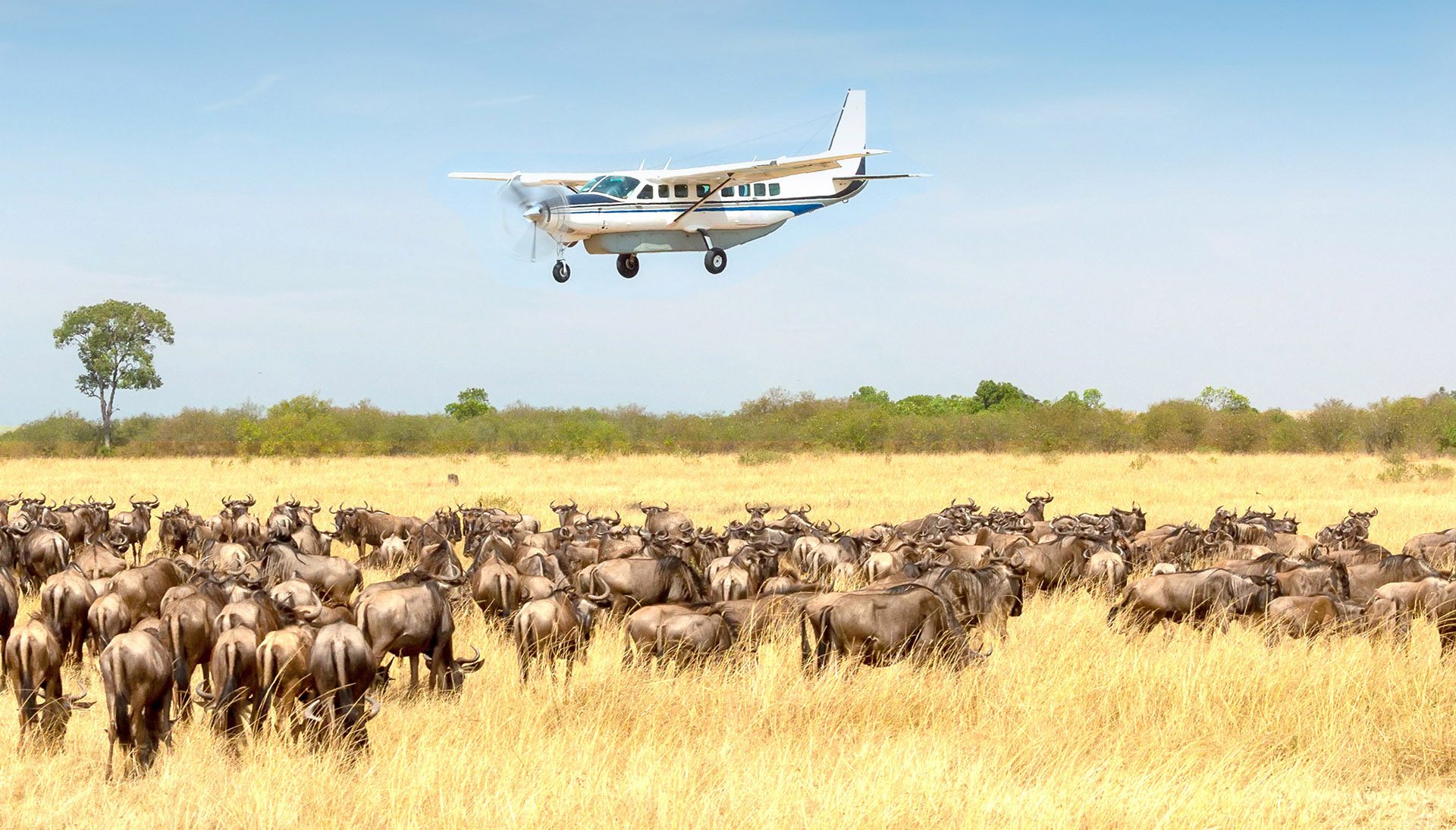
Add-Ons: Kilimanjaro, Zanzibar and Chimpanzees
Our separate guides to Kilimanjaro costs and to chimpanzee permits give full breakdowns. Add-ons can easily double the cost of a trip, so decide early which you want.
| Add-On | Approximate Cost |
| Kilimanjaro climb | Park fees alone about US$970 for a 7-day Machame climb, and an all-in price of about US$2,900 to US$4,500 or more for a good operator |
| Zanzibar beach stay | Varies widely by hotel, from budget guesthouses to luxury resorts |
| Gombe chimpanzees | About US$118 entry and permit, plus boat, flights and lodging, with a short trip costing about US$700 to US$1,000 per person excluding international flights in one source |
| Mahale chimpanzees | About US$94.40 conservation fee, plus flights and boat, and higher camp rates |
| Hot-air balloon | A popular but expensive add-on in the Serengeti |
Budgets for Different Travellers
Children aged 5 to 15 pay lower park fees, about US$20 to US$24 per day at the Serengeti, and children under 5 enter free. Check each lodge’s child policy and rates.
| Traveller | Plan | Rough Cost Per Person |
| Budget couple | Five-day group camping safari in the green season | About US$1,550 to US$2,250 including fees and tips |
| Mid-range couple | Seven-day lodge safari in the shoulder season | About US$3,600 to US$5,100 including tips |
| Luxury couple | Seven-day fly-in safari in peak season | About US$6,300 to US$10,500 or more |
| Family of four | Mid-range private vehicle, shoulder season | Per-person costs fall as vehicle and guide are shared, but children may pay reduced park fees |
Frequently Asked Questions
How much does a Tanzania safari cost per day?
Roughly US$250 to US$400 for budget, US$450 to US$800 for mid-range and US$850 to US$1,500 or more for luxury, per person per day.
How much does a 7-day safari cost?
About US$1,800 to US$3,500 for budget camping, US$2,800 to US$4,900 or more for mid-range and US$5,500 to US$10,500 or more for luxury, per person.
Are park fees included?
In most packages yes, but check, and check whether VAT is included.
What is the cheapest time to go?
April, May and November, with discounts of 20 to 40 percent or more.
How much should I budget for tips?
About US$200 to US$350 per person for a seven-day safari in one source.