Top 10 Reasons to Add Tanzania to Your Luxury Safari Wish List
Unlike in other parts of Africa, A Tanzania luxury safari offers a different type of experience. It comes just before sunrise, when the plains are still, the air is cool, and the horizon slowly begins to glow. Then, almost without warning, the landscape comes alive. A distant lion calls. Hooves move across grass. Birds cut through the morning light. This is where African safaris become a way of seeing the world differently.
Tanzania does not rush to impress, it unfolds. From the vast Serengeti plains to the volcanic beauty of Ngorongoro, from the heights of Mount Kilimanjaro to the warm ocean waters of Zanzibar, every part of the country feels connected by nature, wildlife, and history.
Luxury here does not stand apart from the wilderness. Lodges are placed with intention. Experiences are guided with care. And every moment feels considered without losing the rawness that defines the land.
For travelers seeking depth, exclusivity, and authenticity, Tanzania remains one of the most complete safari destinations in Africa.
1. Tanzania Luxury safari-The Great Migration
The Serengeti is an ecosystem that breathes, moves, and changes with the seasons. Covering nearly 15,000 square kilometers, it holds one of the largest concentration of wildlife on Earth. At the center of it all is the Great Migration.
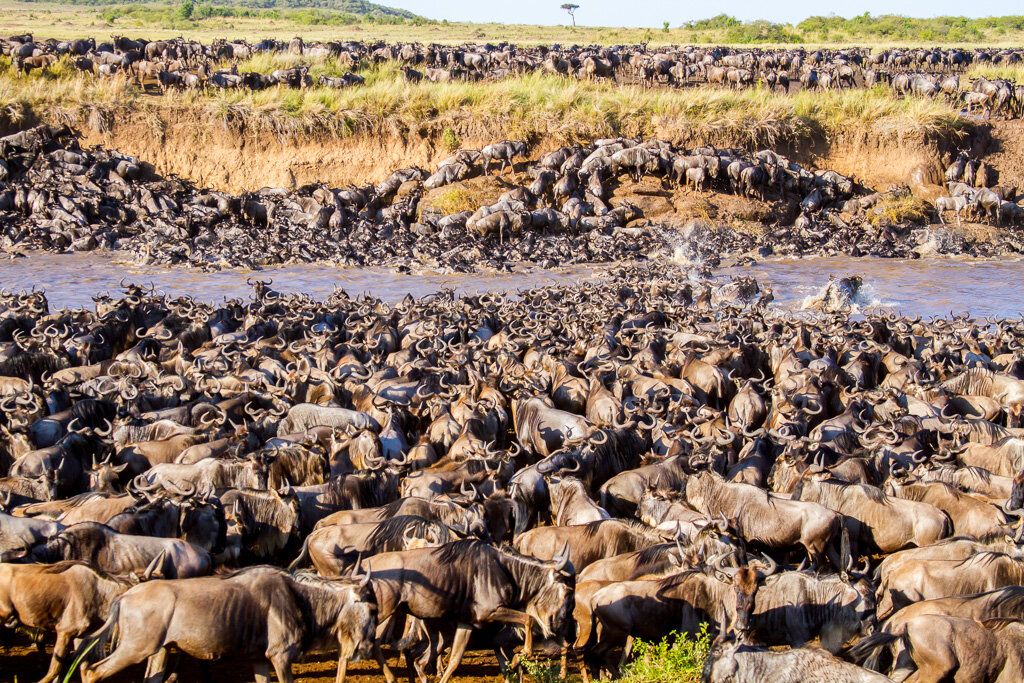
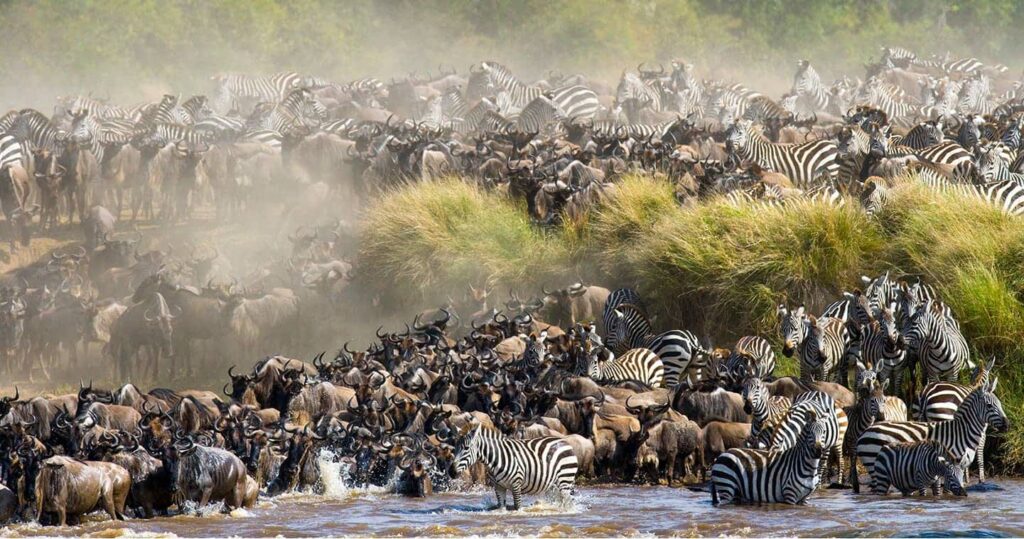
More than two million animals move through this landscape each year. Wildebeest dominate the herds, joined by zebras and gazelles. Their movement follows rainfall patterns, creating a continuous cycle of life and survival.
What makes a luxury safari here different is proximity.
At Singita Grumeti, located in a private concession on the western corridor, the experience feels removed from the crowds. You watch herds cross open plains from a quiet vantage point, often with no other vehicles nearby. The sense of space is immense.
Further east, Four Seasons Safari Lodge Serengeti offers elevated views over a waterhole where elephants gather. From the infinity pool, you see wildlife moving naturally across the landscape, blending comfort with immersion.
For those who want to follow the migration closely, mobile camps such as Nomad Serengeti Migration Camp shifts locations throughout the year. This ensures that you are always positioned near the herds, whether during the calving season in Ndutu or the dramatic river crossings in the north.
In the southern Serengeti, between January and March, the plains near Ndutu transform into a nursery. Thousands of wildebeest calves are born daily. Local guides often point out how quickly they must stand and run, sometimes within minutes, as predators wait nearby.
By mid-year, the herds begin moving north. At the Mara River, tension builds. Crocodiles wait beneath the surface. Wildebeest gather at the banks, hesitant. Then suddenly, movement. The crossing begins, chaotic and powerful.
2. Tanzania Luxury Safari in Ngorongoro Crater
Driving toward the Ngorongoro Highlands, the landscape begins to rise. The air cools. Forests thicken. Then, almost unexpectedly, the land opens to reveal one of the most extraordinary natural formations in Africa.
The Ngorongoro Crater.
This vast volcanic caldera spans about 260 square kilometers and holds over 25,000 large mammals. It is one of the few places in Tanzania where you can see the Big Five within a single day.
Staying at Ngorongoro Crater Lodge places you on the rim, where early mornings begin with mist drifting across the crater floor below. The descend into the crater feels like entering a separate world.
Wildlife density here is remarkable. Lions move openly across the grasslands. Elephants, often older bulls, roam near the forest edges. Flamingos gather along Lake Magadi, their presence shifting with water levels.
The black rhino remains one of the most significant sightings. Protected within the crater, their population here represents one of the strongest in Tanzania.
For a quieter, more grounded stay, Gibb’s Farm offers something different. Set on the outer slopes of the crater, it connects travelers to the land through coffee farming, gardens, and community engagement.
Ngorongoro is not just about wildlife. It is about scale, containment, and the feeling of witnessing a complete ecosystem in motion.
3.Mount Kilimanjaro on Tanzania Luxury safari
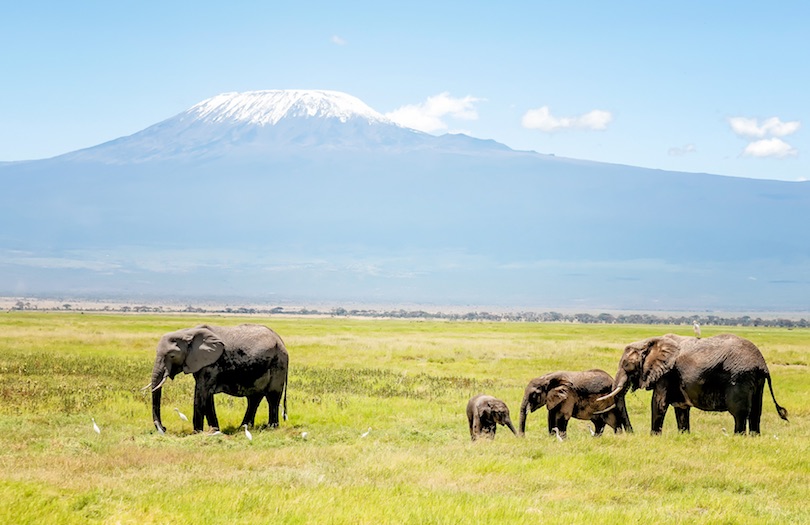
Mount Kilimanjaro stands above northern Tanzania as a constant and commanding presence, its snowcapped summit rising to 5,895 meters, visible from miles across the surrounding plains. For many travelers, it is not just a mountain, but a symbol of achievement, drawing those who seek both physical challenge and a deeper sense of perspective.
Climbing Kilimanjaro is unique among African safaris because it does not require technical mountaineering skills. Instead, it demands endurance, patience, and the ability to adapt to changing altitude and conditions. This accessibility has made it one of the most sought after trekking experiences in the world.
Luxury trekking operators based in Arusha have refined the experience, ensuring that the journey is both safe and comfortable. Climbers are supported by experienced guides who understand the mountain intimately, along with porters who carry equipment and supplies. Ethical standards are increasingly emphasized, with organizations ensuring fair wages, proper gear, and respectful working conditions for porters.
Routes such as the Lemosho route offer a gradual ascent, allowing time for acclimatization while showcasing Kilimanjaro’s diverse ecosystems. The journey begins in the dense rainforest, where colobus monkeys move through the canopy and the air feels thick with moisture. As the days pass, the landscape opens into moorland, marked by giant lobelias and wide views. Higher still, the terrain becomes stark and quiet, an alpine desert shaped by wind and altitude.
Summit night begins in darkness. Headlamps cut through the cold air as climbers move slowly upward, step by step. It is the most demanding part of the journey, both physically and mentally. Yet, reaching Uhuru Peak at sunrise transforms the effort into something unforgettable. Standing above the clouds, with light stretching across the horizon, creates a moment that feels both personal and profound.
After descending, places like Kilimanjaro Coffee Lodge offer a gentle return to comfort, where warm hospitality and the surrounding coffee farms provide space to rest and reflect on the journey.
4. Zanzibar: Ending a Tanzania Luxury Safari in Style

After days spent deep in the rhythm of wildlife safaris, where mornings begin with game drives and evenings close under vast African skies, Zanzibar offers a natural and necessary shift in pace. The transition is almost immediate. The air softens, the light changes, and the sound of the ocean replaces the distant calls of the wild.
Stone Town forms the cultural heart of this island experience. Its narrow winding streets, lined with intricately carved wooden doors, tell stories of centuries shaped by trade and movement across the Indian Ocean. Arab, Persian, Indian, and European influences remain visible in the architecture and daily life. Walking through its markets, you encounter the scents that once defined global trade routes such as cloves, cinnamon, and nutmeg, still central to Zanzibar’s identity today.
Beyond Stone Town, the coastline opens into stretches of white sand and turquoise water. Luxury properties such as Baraza Resort and Spa and The Residence Zanzibar are designed to create privacy without disconnecting you from the environment. Villas are set within tropical gardens or directly along the beach, allowing space, quiet, and uninterrupted views of the ocean.
Each part of the island offers a slightly different experience. In Nungwi, on the northern coast, the tides are gentle, making the sea accessible throughout the day. It becomes a place for long swims, slow afternoons, and uninterrupted relaxation. On the east coast, in areas like Paje, the rhythm is shaped by the tides. At low tide, the shoreline stretches far outward, revealing seaweed farms and local fishermen moving across the flats. When the water returns, it brings with it wind and movement, attracting kite surfers and creating a more dynamic coastal atmosphere.
Beneath the surface, Zanzibar’s marine life adds another layer to the experience. At Mnemba Atoll, coral reefs support a vibrant ecosystem of tropical fish, sea turtles, and other marine species. Snorkeling here feels effortless, with clear visibility and calm waters. Occasionally, dolphins pass through deeper channels, their presence adding a sense of quiet excitement to the moment.
Zanzibar does not feel like a separate destination from the safari. It feels like its natural continuation. After the intensity of wildlife encounters, it offers space to reflect, to slow down, and to absorb the journey. It is here, between the ocean and the memory of the plains that the experience of Tanzania settles into something lasting.
5. Southern Tanzania Luxury safari Experience
For travelers who have already experienced the northern safari circuit or who simply seek something quieter and more exclusive, southern Tanzania luxury safari offers a different kind of encounter with the wild. Here, the scale remains vast, but the presence of people fades into the background. Safaris unfold without urgency, often without another vehicle in sight, creating a sense of solitude that is increasingly rare in Africa.
Ruaha National Park stands at the heart of this experience. Covering more than 20,000 square kilometers, it is one of the largest protected landscapes in East Africa, yet it receives only a fraction of the visitors seen in the Serengeti. This balance creates an environment where wildlife behaves naturally, undisturbed by constant human presence.
The park is particularly known for its predator population. Lions here often form unusually large prides, sometimes numbering over a dozen individuals, a reflection of the abundant prey and expansive territory. The Great Ruaha River becomes the lifeline of the park during the dry season, drawing elephants, buffalo, antelope, and predators to its banks in a steady, predictable rhythm.
Staying at Jabali Ridge places you within this landscape without disrupting it. Built among granite boulders, the lodge blends into its surroundings, offering elevated views over the savannah and river below. Mornings begin quietly, with the soft light revealing movement across the plains, while evenings settle into a calm that feels deeply connected to the environment.
Further south, Nyerere National Park, formerly part of the Selous ecosystem, offers a completely different dimension to African safaris. The Rufiji River shapes life here, creating channels, lagoons, and floodplains that support a rich diversity of wildlife. Boat safaris allow you to move along the water’s edge, coming close to hippos, crocodiles, and birds in a way that feels both intimate and unhurried. Camps such as Beho Beho provide access to both river and inland experiences, combining comfort with a strong sense of place.
Walking safaris in this region bring the experience even closer. Moving on foot with skilled guides, you begin to notice details often missed from the usual safari jeeps. Tracks pressed into the earth, the direction of the wind, the subtle calls of birds signaling movement nearby. Guides interpret these signs with quiet confidence, turning each step into a lesson in observation and awareness.
This is where safaris in Tanzania take on a different meaning. Not defined by movement from one sighting to another, but by presence. By space. By the feeling of being part of a landscape that continues on its own terms.
6. Cultural Encounters on Tanzania luxury safari
In northern Tanzania luxury safari, culture is not something separate from the landscape. It exists within it, shaped by the same rhythms that guide wildlife and seasons. Among the most visible and enduring communities are the Maasai, whose connection to the land remains deeply rooted in tradition and daily practice.
For travelers on safari, these cultural encounters offer a perspective that goes beyond wildlife. When arranged through responsible and community led operators, visits to Maasai villages become meaningful exchanges rather than brief observations. You are welcomed into homesteads, often built using natural materials sourced from the surrounding environment, and introduced to a way of life that has adapted over generations.
Cattle lie at the center of Maasai society. They are not only a source of food, but also a measure of wealth, identity, and social structure. During visits, it is common to learn how herds are managed, how grazing patterns shift with the seasons, and how knowledge of the land is passed from one generation to the next. Elders often share insights into traditional medicine, explaining how plants from the surrounding environment are used to treat illness and maintain health.
In areas surrounding the Ngorongoro Conservation Area, these interactions take on an added dimension. Here, Maasai communities live alongside protected wildlife, creating a unique balance between conservation and ancient culture. Some families participate in tourism initiatives that support local schools, healthcare services, and clean water access. This means that each visit contributes directly to community development, making the experience both personal and impactful.
Moments such as joining a traditional dance, observing beadwork creation, or simply sitting in conversation under an open sky create a deeper understanding of the place. These are not performances designed for visitors. They are expressions of identity, shared with openness and pride.
Tanzania luxury safari cultural tours /encounters do not compete with the wildlife experience. They enrich it. They reveal that the landscapes you travel through are not empty wilderness, but living environments shaped by people who understand them in ways that go far beyond observation.
7. Conservation: Protecting What Makes Tanzania Unique
Conservation in Tanzania is not an abstract idea discussed in policy rooms. It is something you see, feel, and move through during a safari. It is present in the vast open plains of the Serengeti, in the protected floor of the Ngorongoro Crater, and in the remote, untouched corners of the south where wildlife still moves with minimal human interference.
More than 30 percent of Tanzania’s land has been set aside for conservation, a commitment that places the country among the leaders in wildlife protection globally. This includes national parks such as the Serengeti and Ruaha, conservation areas like Ngorongoro, and extensive reserves that stretch across landscapes where ecosystems remain largely intact. This scale is not accidental. It reflects a long term recognition that wildlife, nature, and national identity are closely linked.
Tourism plays a central role in sustaining this system. Every safari contributes directly to conservation funding. Park fees support ranger patrols, infrastructure, and wildlife protection efforts. In areas like the Serengeti, ongoing monitoring programs track migration patterns, predator populations, and ecological changes. These insights are not only used for research but also to guide how tourism is managed, ensuring that visitor presence does not disrupt natural processes.
In the Ngorongoro Conservation Area, conservation takes on a more complex form. Here, wildlife protection exists alongside human settlement. Maasai communities continue to live within the conservation area, grazing livestock and maintaining their traditions. Managing this balance requires constant coordination, ensuring that both wildlife and communities can coexist. It is one of the few places in Africa where this model operates at such scale.
Luxury lodges across Tanzania have increasingly become active participants in conservation. Many invest directly in surrounding communities, supporting schools, healthcare facilities, and clean water projects. Others fund anti-poaching units or partner with organizations focused on protecting specific species such as elephants and rhinos. In regions like the Serengeti and Nyerere, some camps operate with minimal environmental impact, using solar energy, reducing waste, and carefully managing water use.
What makes conservation in Tanzania effective is this connection between people, wildlife, and tourism. When communities benefit, they become part of the protection system. When visitors understand their role, the experience becomes more meaningful.
A safari in Tanzania is not only about observing wildlife. It is about being part of a larger effort to ensure that these landscapes remain as they are, not just for today, but for generations to come
8. Cuisine on Tanzania Luxury Safari
Tanzania cuisine reflects the rich cultural and geographic diversity of East Africa. Food traditions are shaped by fertile plains, coastal waters, mountain highlands, and ancient trade routes. Across the country, meals bring communities together through shared ingredients and cooking methods passed through generations.
In many inland areas, staples such as ugali made from maize flour, rice, and beans form the foundation of daily meals. Families often prepare hearty stews with vegetables, beef, or goat, creating nourishing dishes suited for farming communities. In safari regions, simple meals are common, often featuring grilled meat prepared over open fire and served with fresh vegetables sourced from local markets.
Along the Indian Ocean coastline, food reflects centuries of trade with Arab and Indian cultures. Coconut rice, spicy fish curry, and grilled seafood are widely enjoyed in cities such as Dar es Salaam and Tanga. Zanzibar is especially known for its spice farms producing cloves, cinnamon, and cardamom, which shape the aroma and taste of its dishes. Local markets in Stone Town offer dishes influenced by long standing cultural exchange.
Around Mount Kilimanjaro, coffee farming is a major tradition, producing beans known for their rich aroma. In southern highlands, tea plantations contribute to daily beverage culture across the country. These regions highlight how agriculture supports both local diets and export economies.
Food in Tanzania represents identity, history, and connection. Every region contributes unique flavors that together create a vibrant national cuisine rooted in culture and tradition.
Street food culture in Tanzania also adds to everyday dining experiences. Vendors sell grilled maize, fried cassava, and samosas influenced by coastal trade. In urban centers, people enjoy fresh sugarcane juice and roasted peanuts while socializing after work. These foods reflect accessibility and local creativity in cooking.
This diversity continues to shape Tanzania food culture and daily life today.
9. Seamless Travel across Landscapes
Luxury safaris in Tanzania are designed to make travel smooth and effortless across some of the most diverse landscapes in Africa. Charter flights operate between major national parks such as Serengeti, Ngorongoro and Ruaha, significantly reducing long road journeys and allowing more time to experience wildlife and scenery. These short flights often land on remote airstrips close to the lodges, making transitions between destinations quick and efficient.
Ground transfers are carefully arranged to ensure comfort and reliability. Vehicles are typically well maintained and guided by experienced drivers who understand the terrain, weather patterns, and wildlife movement. This level of coordination allows travelers to move from one region to another without delays or confusion, even in remote areas where road infrastructure may be limited.
Professional guides play a central role in organizing the journey. They handle permits, timing, and route planning while sharing knowledge about animals, ecosystems, and local cultures. Their expertise ensures that visitors do not need to focus on logistics, as every detail is managed in advance.
In destinations such as the Serengeti plains or the volcanic highlands of northern Tanzania, this seamless system allows guests to remain fully engaged with the environment. Instead of worrying about travel arrangements, visitors can focus on observing wildlife migrations, exploring crater landscapes, and experiencing sunrise over vast savannahs.
The combination of air connections, coordinated ground transport, and expert guiding creates a travel experience that feels continuous and well structured. It reflects a growing emphasis on comfort and efficiency within Tanzania’s luxury safari industry while maintaining close access to nature.
10. Why Tanzania Remains Unmatched
Tanzania continues to stand out as one of the most remarkable safari destinations because it offers a rare combination of natural richness and cultural depth within a single country. Vast wildlife ecosystems, iconic landscapes, living traditions, and strong conservation efforts exist side by side in a way that creates a complete and immersive experience for visitors.
The northern safari circuit, including the Serengeti plains and the Ngorongoro Conservation Area, showcases large scale wildlife movements such as the annual wildebeest’s migration. These natural events are not isolated attractions but part of a larger ecosystem that supports predators, grazing animals, and seasonal habitats. In contrast, southern regions such as Selous offer quieter wilderness experiences where boat safaris and walking tours reveal a different rhythm of nature.
Beyond wildlife, Tanzania’s landscapes vary dramatically across short distances. Snowcapped Mount Kilimanjaro rises above fertile coffee growing slopes, while volcanic craters, savannah grasslands, lakes such as Lake Manyara, and coastal beaches all contribute to a diverse geographical identity. This variety allows travelers to experience multiple environments within one journey.
Cultural presence is also deeply integrated into the travel experience. Communities such as the Maasai maintain traditional pastoral lifestyles near major wildlife areas, offering insight into long standing human relationships with the land. Local markets, music, and food traditions further reflect this cultural richness without separating it from the natural environment.
Conservation plays a key role in maintaining this balance. National parks and protected reserves help preserve habitats while supporting sustainable tourism practices that benefit local communities. This approach ensures that wildlife populations and ecosystems remain stable for future generations.
What makes Tanzania especially distinctive is how these elements connect naturally. Wildlife encounters, cultural experiences, and landscape diversity are not separate activities but parts of a continuous journey that feels cohesive and deeply connected.
More Than a Destination
A journey through Tanzania extends beyond the period of travel and remains present long after departure. The experience lingers in quiet memories of wide open plains, distant wildlife movement, and the slow rhythm of nature unfolding without interruption. It is found in moments such as watching the sun rise over the savannah, hearing the sounds of the wilderness at dusk, or standing in landscapes where human presence feels minimal compared to the scale of the environment.
These impressions are not limited to visual experiences alone but also include the sense of space, silence, and natural balance that defines much of the country. Over time, these memories often become more vivid, shaping how travelers recall their time in East Africa. Tanzania is therefore not only understood as a place to visit but as an experience that continues to exist in memory, returning to the mind in fragments of scenery, atmosphere, and feeling, long after the physical journey has ended.