Best safari destinations near Dar es Salaam : The best safari destinations near Dar es Salaam are the stunning national parks and national reserves located within a few hours’ drive from Tanzania’s largest city, these safari destinations offer exciting safari experiences, diverse wildlife, and the breathtaking scenery, making them perfect for a quick gateway or day Tanzania safari from Dar es Salaam.
Nyerere (Selous) National Park.
The most well-known safari park close to Dar es Salaam is most likely Nyerere National Park (previously Selous Game Reserve). It is among Africa’s largest national parks. Miombo woods, savannah, and wetlands are among the diverse landscapes found in this enormous park, which is recognized as a Unesco World Heritage Site. The park’s numerous inhabitants, including lions, leopards, black rhinos, hippopotamus, and one of Africa’s largest populations of wild dogs, rely on the Rufiji River as a source of water. You can also cross more than 400 birds off your list of birds to see. Between November and April, the migratory species arrive.
Mikumi National Park.
The park nearest to Dar es Salaam is Mikumi National Park, which is connected by a tarmac road that passes through it. To the south is Nyerere National Park, which is connected to it. It’s rarely crowded because it’s one of the lesser-known wildlife reserves.
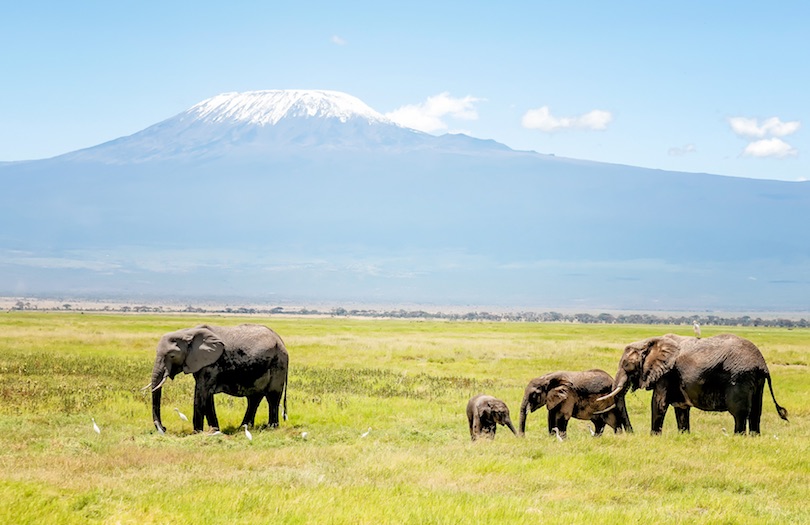
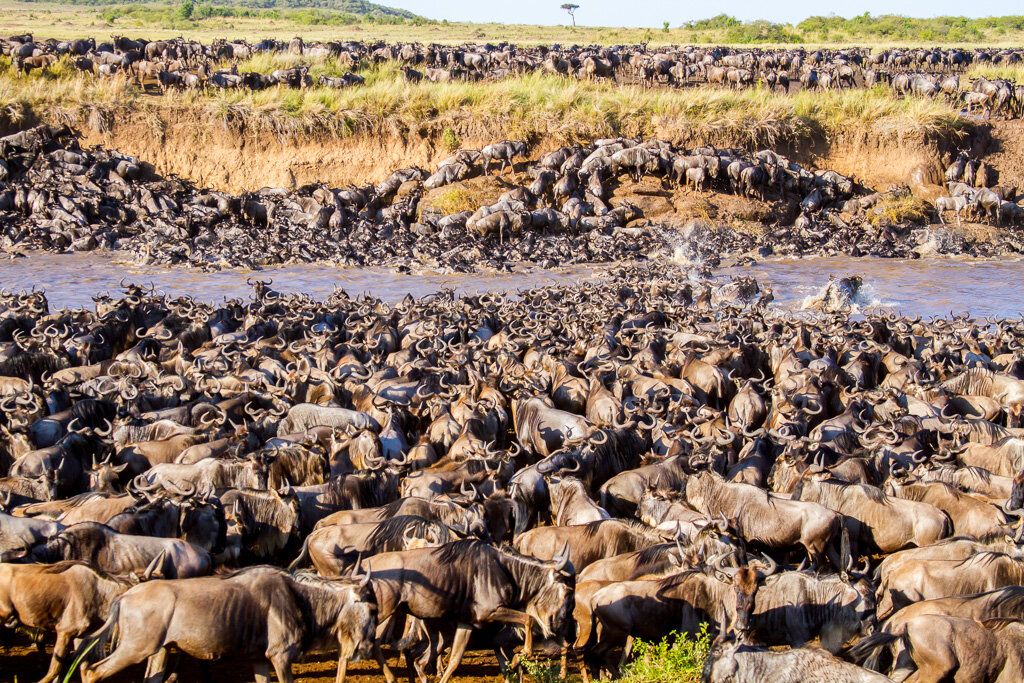
Along with giraffes and bands of yellow baboons or vervet monkeys, you may see herds of elephants, buffalo, zebras, wildebeest, eland, kudus, and impala on green savannah plains peppered with baobab trees. Although there are lions in the park, they are not as common or visible as they are in Tanzania’s more famous parks, such the Serengeti. You could be lucky enough to spot a leopard or a wild dog.
Mikumi, a park near Dar es Salaam, is a well-liked weekend getaway spot for locals. It is frequently utilized as a stopover for visitors on longer trips between other southern parks. Since it’s the driest and animals are drawn to permanent waterholes like those on the Mkata Floodplain, the best time to visit is between late June and October.
Saadani National Park.
Mangrove swamps around Saadani’s gorgeous coastline, which eventually gives way to inland forests. Green turtles use the coastlines as nesting grounds. Four of the Big Five can be found in the park: lions, elephants, buffalo, and leopards (but not rhinos). The sable antelope, hippo, yellow baboon, Lichtenstein’s hartebeest, and Masai giraffe are also present. It should be mentioned that compared to the more well-known Tanzanian parks, it is more difficult to spot animals here.
Ruaha National Park.
Perhaps the greatest safari park close to Dar es Salaam is Ruaha. Despite being the second largest national park in Tanzania and one of the largest in Africa, it only gets a small portion of the tourists that the northern parks do. Ruaha, named for the Great Ruaha River that flows through it, is a place of rocky outcrops and ancient baobabs. The park has an amazing variety of species and is the size of New Jersey. In addition to cheetahs, lions, leopards, hyenas, giraffes, hippo, buffalo, and wild dogs, there are over 450 different species of birds, which are best observed during the migration season, which runs from November to April.
Udzungwa Mountains National Park.
Keep an eye out for the Sanje crested mangabey and the Iringa red colobus. The two primates are native to the region. Actually, out of all the national parks in Africa, the Udzungwa Mountains have the second-highest biodiversity rate. Ten primates and about 400 bird species are present. Although visitors rarely see them, the park is also home to buffalo, elephants, leopards, hippopotamus, and crocs.
Mafia Island Marine Park.
With more than 400 fish species, turtles, and dugongs inhabiting the reefs and mangrove forests, Mafia Island is a snorkeler’s and diver’s paradise. Additionally, it’s a fantastic spot to unwind after a busy safari itinerary in southern Tanzania.
With their hot, dry weather, August, September, and October are excellent travel months. July can be windy, and June is cooler. The hottest months are November through March, when there are showers and rising humidity.