Uganda Vs Tanzania Safari Or Both
Uganda Vs Tanzania Safari Or Both ; Uganda despite being ranked with 2% popularity by ATTA among the most visited African safari destination, it is still one of the most authentic safari experiences arched by gorilla trekking and chimpanzee tracking, culture and community engagement.
On the other hand, Tanzania with 19% popularity among the most visited African countries, still offers some of the best wildlife adventure in the world, with the great wildebeest migration, Ngorongoro crater and other unique attractions.
Choosing between Uganda and Tanzania for an African safari often feels like choosing between two completely different worlds. One offers wide open plains filled with large herds and dramatic predator scenes. The other draws you into thick forests where encounters happen at close range, often on foot, in silence. Both are powerful in their own way.
For many travelers, the real question is not Uganda vs Tanzania, but whether combining both creates a more meaningful experience. A well-planned safari across these two countries brings together the full spectrum of East African wildlife, landscapes, and tourism realities. It connects the energy of the great migration with the stillness of gorilla trekking. It blends vehicle-based safaris with guided forest walks. It reveals how sustainability and tourism shape conservations on the ground.
This guide goes beyond surface descriptions. It breaks down wildlife patterns, real travel logistics, local experiences, and conservation impact so you can understand what an African safari in Uganda and Tanzania truly involves.
Why Choose Uganda, Tanzania or Both for a Safari
Tanzania has built a global reputation around classic safaris. The country is known for predictable wildlife sightings, large protected areas, and landscapes that allow long distance visibility. It is where many people first imagine going on an African safari.
Uganda offers something less predictable but more intimate. It is not about scanning the horizon from a vehicle. It is about moving through forests, listening for movement, and encountering wildlife at close range. Gorilla trekking Uganda and chimpanzee tracking in Kibale define this experience.
Choosing only Tanzania means missing primate encounters that cannot be replicated elsewhere. Choosing only Uganda means missing large-scale wildlife movement and open savannah ecosystems. Combining both creates balance.
Tour operators across East Africa increasingly design itineraries that connect Entebbe with northern Tanzania. This reflects how travelers now seek depth rather than single-location experiences.
Big Game and the Great Migration
Serengeti Ecosystem and Wildlife Density
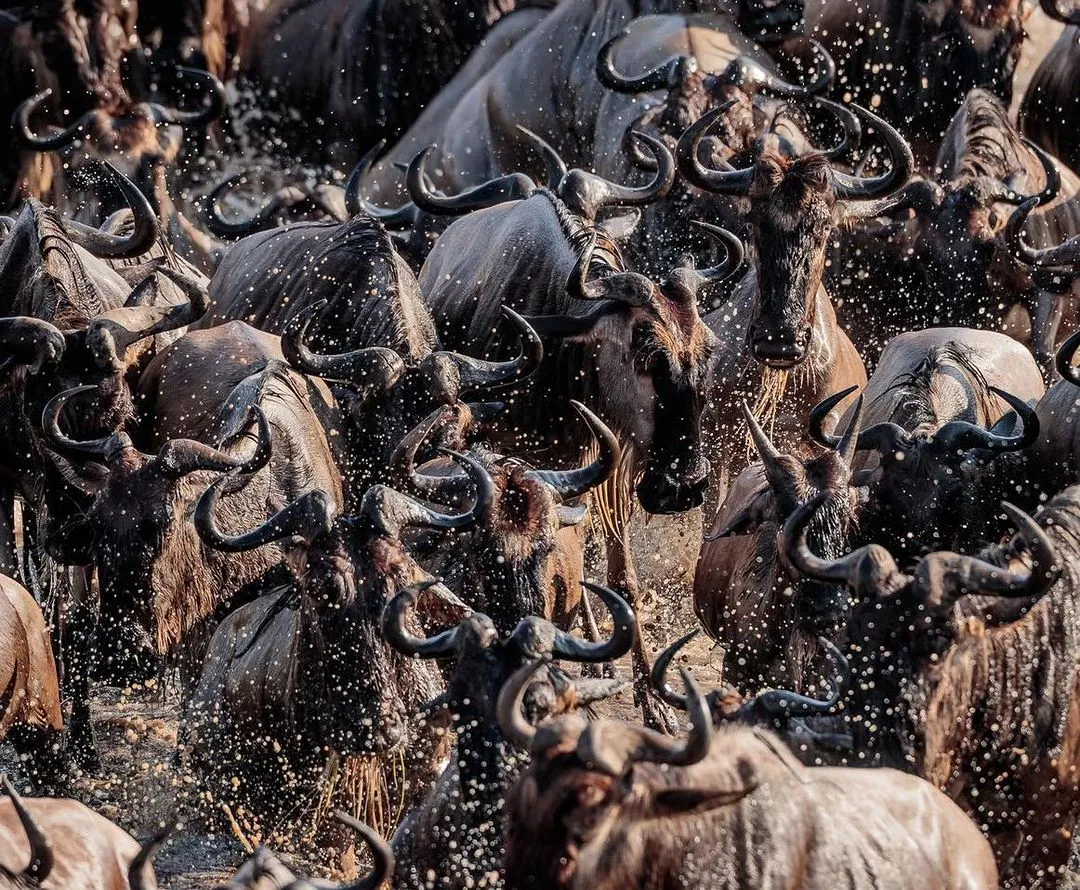
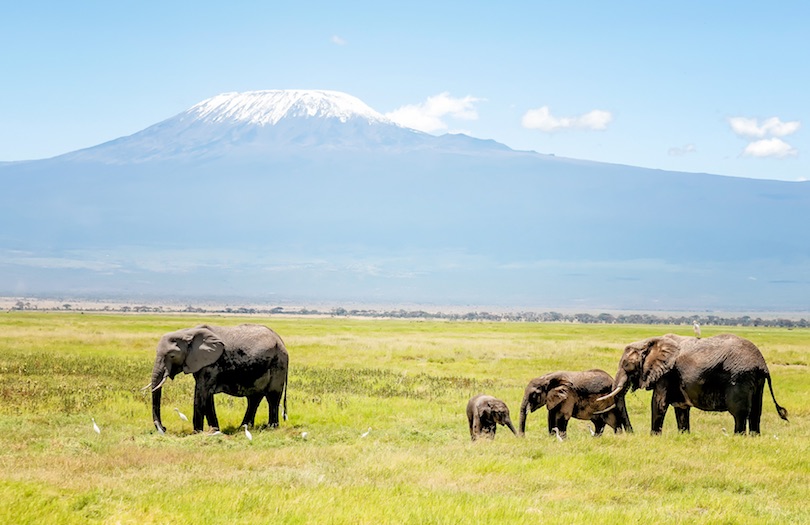
The Serengeti is one of the most studied ecosystems in Africa. Its open plains support large populations of herbivores, which in turn sustain predators. Lions are often seen resting during the day, conserving energy for night hunts. Elephants move in family groups, following seasonal food sources.
Game drives here are not about searching blindly. Experienced guides read tracks, observe bird behavior, and understand animal movement patterns. This maximizes chances of sightings.
The Great Migration Explained with Real Patterns
The great migration is not a single event but a continuous cycle determined by rainfall patterns.
- January to March: Calving season in southern Serengeti. Thousands of calves are born daily. This attracts predators like lions and hyenas.
- April to June: Herds begin moving northwest as grass dries. Movement becomes less predictable due to scattered rains.
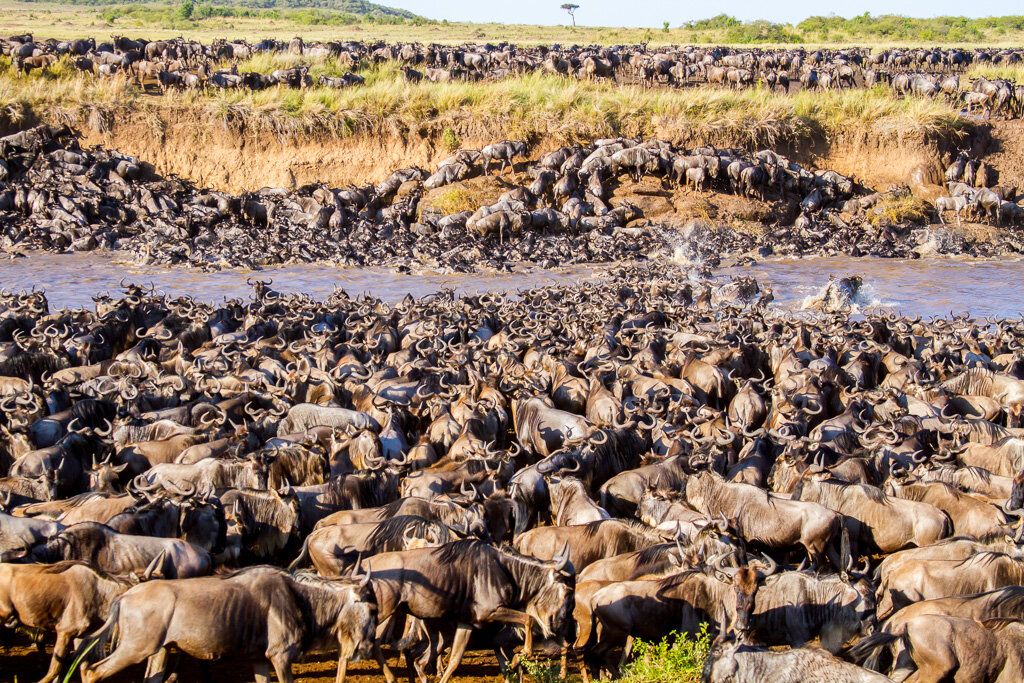
- July to September: River crossings in the north. The Mara River becomes a major obstacle. Crocodiles and strong currents make crossings dangerous.
- October to December: Herds move back south following fresh grazing.
This movement directly affects tourism. Lodges in northern Serengeti fill quickly during crossing season, while southern regions become more active earlier in the year.
Ngorongoro Crater and Controlled Wildlife Environment
Ngorongoro offers a different experience. It is a contained ecosystem where wildlife remains within the crater walls. This increases sighting reliability but still with an effort from your guide.
Black rhinos, which are difficult to find elsewhere, are protected here under strict conservation measures. The crater floor supports grazing animals, which in turn attract predators. This makes it one of the few places where multiple species including the big 5 can be seen within a short time.
Gorilla Trekking and Primate Encounters
Gorilla Trekking in Bwindi Forest
Gorilla trekking is one of the most regulated wildlife activities in the world. Uganda limits the number of permits issued each day. Each group is assigned a specific gorilla family and guided by trained trackers.
The cost of permits contributes directly to conservation and community programs. 20% of the revenue collected is shared with local communities to reduce human wildlife conflict and encourage conservation and protection of wildlife by the communities living around national parks and conservation areas.
Trekking itself can take several hours. The terrain is steep and often muddy. Once gorillas are located, visitors spend one hour observing them. This time limit reduces stress on the animals.
The experience is quiet and controlled. Gorillas often continue their daily activities, feeding or resting, while visitors observe at a safe 8-10meters distance.
Chimpanzee Tracking in Kibale Forest
Chimpanzee tracking offers a different energy. Chimps are fast, vocal, and social. They move quickly through trees, making tracking more dynamic.
Kibale has one of the highest densities of primates in Africa. Guides follow vocals and movement patterns to locate groups. Unlike gorillas, chimps do not remain in one place for long, so sightings can be brief and active.
Savannah Wildlife in Uganda
Uganda also supports traditional safari experiences. Queen Elizabeth National Park is known for tree climbing lions, a behavior that is not common across Africa. Murchison Falls hosts prides of lions, leopard, elephants, giraffe, and large numbers of buffalo, and several antelope species as well as the chimpanzee tracking in Budongo forest at Murchison.
The Nile River plays a key role here. It supports aquatic life and attracts animals to its banks. Boat safaris provide a different perspective compared to land-based drives.
Kidepo Valley National Park in the far North offers a true African wilderness waiting to be discovered. Free from crowds and modernity. The most recent reintroduction of the southern white rhinos makes Kidepo a one stop center for the big 5 sightings in addition to its untamed landscape, cheetah, ostriches and some endemic avian list
Understanding the Geography of East Africa
Tanzania is dominated by savannah ecosystems. These open landscapes allow wildlife to move freely over large distances. Visibility is high, making it easier to spot animals.
Uganda is more varied. Forests, lakes, and mountains create a complex environment. Bwindi Forest is dense and humid, supporting species that cannot survive in open plains. The Rwenzori Mountains introduce alpine conditions near the equator.
This variation influences how safaris are experienced. In Tanzania, most activity happens from vehicles. In Uganda, much of the experience involves walking and physical engagement with the environment.
Cultural Experiences and Local Communities
Tourism in East Africa is closely tied to local communities. In Tanzania, Maasai communities live near conservation areas. Their pastoral lifestyle depends on livestock, and tourism provides additional income.
Visitors often learn about traditional practices, including livestock management and cultural ceremonies. These interactions are structured to respect both visitors and communities.
Uganda offers diverse cultural experiences. Different regions have distinct traditions. Food reflects local agriculture, with staples like matoke and groundnut/peanut sauce.
Street food such as rolex provides insight into everyday life. Markets and small towns reveal how tourism connects with local economies.
Sustainability and Conservation in Safari Tourism
Sustainability is not just a concept in East Africa. It is a practical necessity. Wildlife conservation depends on tourism revenue, while communities depend on both land and tourism for survival.
Gorilla trekking permits are a clear example. Revenue supports park management, anti-poaching efforts, and community projects. Without this system, gorilla populations would face greater risk.
In Tanzania, national parks operate under strict guidelines. Vehicle numbers are controlled in sensitive areas. Off-road driving is limited to protect vegetation.
Many lodges now invest in solar power, water conservation, and waste management. Some employ local staff and source food locally, reducing environmental impact.
Travelers influence sustainability through their choices. Selecting responsible operators and respecting guidelines helps maintain these systems.
Safari Logistics, Uganda and Tanzania.
Luxury East Africa safaris, especially in countries like Uganda and Tanzania, offer some of the world’s most extraordinary wildlife encounters, but they also come with practical challenges that travelers should understand before setting out.
These realities do not reduce the experience; rather, they enhance the experience, pace and planning.
One of the most common challenges is distance and travel time. Uganda wildlife safari packages circuits often involve long drives between destinations. For example, travelling from Kampala to Bwindi Impenetrable Forest for gorilla trekking can take 8–10 hours by road, with winding mountain routes and changing road conditions.
Similarly, Tanzania safari tours, moving from Arusha to Serengeti National Park or Ngorongoro Conservation Area also involves several hours of rough terrain before reaching the main wildlife viewing zones.
Weather. Heavy rains during the wet seasons in Uganda and Tanzania can affect road access, especially in remote safari parks like Queen Elizabeth National Park or Nyerere National Park (Selous). Some trails become slippery, and game drives may require adjustments. However, these seasons also bring lush landscapes and fewer crowds, showing the dual nature of safari travel.
Gorilla permits availability also plays a major role in planning. Activities such as gorilla trekking in Bwindi or Mgahinga National Park are strictly regulated, with limited permits issued daily. In peak months like June to September and December to February, permits sell out quickly, reducing flexibility for last-minute travelers.
Peak season tourism adds another layer of reality. Popular parks such as Serengeti National Park during the Great Migration or Murchison Falls National Park in Uganda can experience higher visitor numbers, which may affect exclusivity and lodge availability.
Understanding these challenges in advance allows for better safari planning, realistic expectations, and a more rewarding adventure experience across East Africa’s wildlife destinations.
Best Time for Safaris in Uganda and Tanzania
Timing affects both wildlife visibility and travel conditions.
- Dry seasons (June to September, December to February): Best for wildlife viewing. Animals gather around water sources. Roads are easier to navigate.
- Wet seasons (March to May, October to November): Landscapes are greener. Birdlife is more active. Fewer tourists result in quieter parks.
The great migration follows rainfall patterns, so timing depends on which stage you want to see. Gorilla trekking is possible year-round but easier during dry periods.
Cost and Budget Considerations
Safari costs vary widely depending on accommodation, transport, and activities.
- Gorilla permits are a major cost but provide unique value
- Tanzania safaris involve vehicle, guide, and park fees
- Lodges range from budget camps to high-end luxury properties
Combining Uganda and Tanzania can balance costs. While some activities are expensive, others offer flexibility in pricing.
Planning longer trips often reduces daily costs. Booking in advance ensures availability, especially for gorilla permits, chimpanzee permits and accommodation.
Challenges and Realities of East African Safaris
Luxury East Africa safaris are not without challenges. Travel distances can be long, and conditions vary. Weather can affect plans, especially in remote areas.
Permit availability can limit flexibility. Peak seasons bring higher visitor numbers, especially in popular parks.
Understanding these realities helps set realistic expectations. It also highlights the importance of planning.
Why Combining Uganda and Tanzania Creates a Complete Safari
A safari across Uganda and Tanzania brings together two distinct but complementary experiences. It connects large-scale wildlife movement with close, personal encounters. It shows how different environments support different species.
This combination reflects the true diversity of African safaris. It moves beyond simple wildlife viewing and into a deeper understanding of ecosystems, conservation, and local life.
For travelers seeking more than just a holiday, this journey offers lasting impact. It creates a connection to places and species that cannot be found elsewhere.
FAQs
Is Uganda or Tanzania better for safaris?
Both destinations offer world-class safari experiences, but they differ in character and focus. Tanzania is widely known for its vast open landscapes and large wildlife concentrations, especially in iconic areas such as the Serengeti National Park and Ngorongoro Conservation Area. Ngorongoro crater Area is ideal for witnessing big game viewing and dramatic wildlife spectacles like the Great Migration.
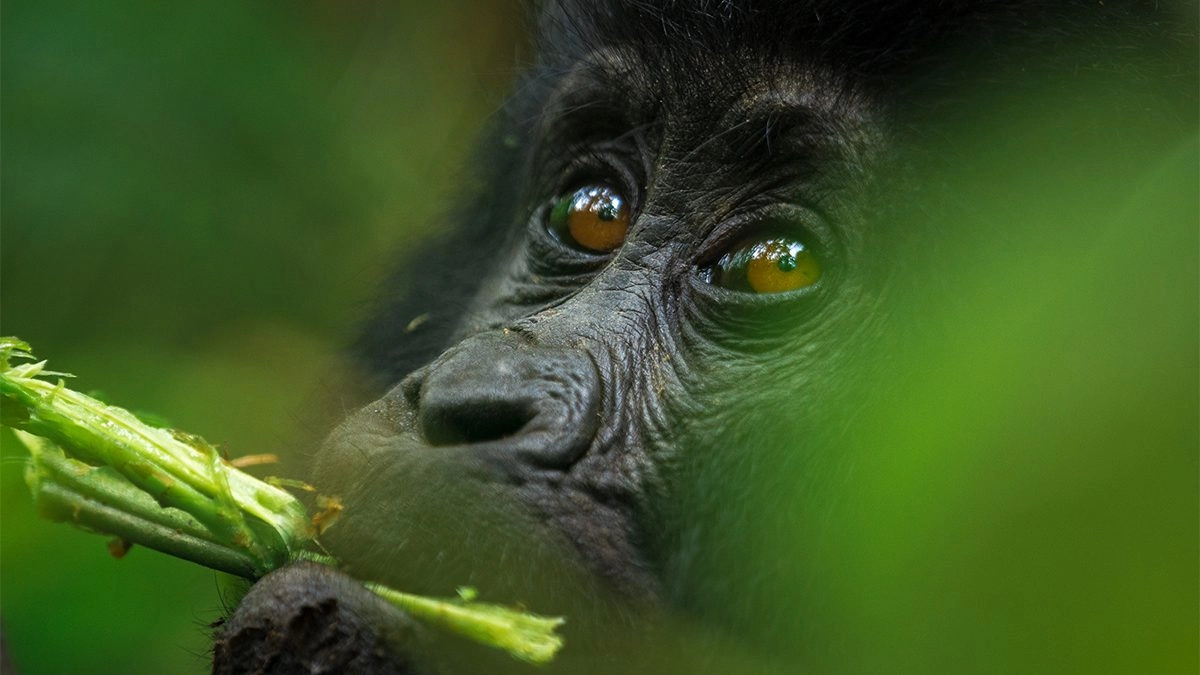
Uganda, on the other hand, is often described as a primate capital of Africa, with exceptional experiences such as gorilla trekking Uganda in Bwindi Impenetrable National Park and chimpanzee tracking in Kibale Forest National Park. Choosing between the two depends on whether a traveler prefers expansive savannah safaris or forest-based wildlife encounters.
How much does gorilla trekking cost?
Uganda gorilla trekking tours permits are strictly regulated and form a major part of conservation funding. In Uganda’s Bwindi Impenetrable National Park and Mgahinga Gorilla National Park, permits are priced at a premium due to limited daily availability and the need to protect endangered mountain gorillas.
The cost may seem high compared to other safari activities, but it directly supports anti-poaching efforts, habitat conservation, and local community development around park areas.
When is the best time to see the Great Migration?
Tanzania luxury safari package for the Great Migration in the Serengeti ecosystem depends on seasonal rainfall patterns. One of the most dramatic moments is the river crossings at the Mara River, typically between July and September, when herds move between Tanzania and Kenya’s Maasai Mara National Reserve. Earlier in the year, around January to March, the southern Serengeti hosts the calving season, where thousands of wildebeest give birth, attracting predators and creating intense wildlife interactions.
Can you combine Uganda and Tanzania in one trip?
Yes, combining Uganda and Tanzania is increasingly popular for travelers seeking a diverse Luxury East Africa safaris experience. Regional flights connect major hubs such as Entebbe International Airport and Kilimanjaro International Airport, making it possible to combine gorilla trekking in Uganda with classic savannah game drives in Tanzania within a single itinerary.
Is safari tourism sustainable?
When properly managed, safari tourism plays a vital role in conservation and community development. Parks and protected areas in Uganda and Tanzania rely on tourism revenue for wildlife protection, anti-poaching operations, and habitat management.
Additionally, a portion of tourism income often supports surrounding communities through employment opportunities, infrastructure development, and community conservation programs, making sustainability a key pillar of modern safari tourism.