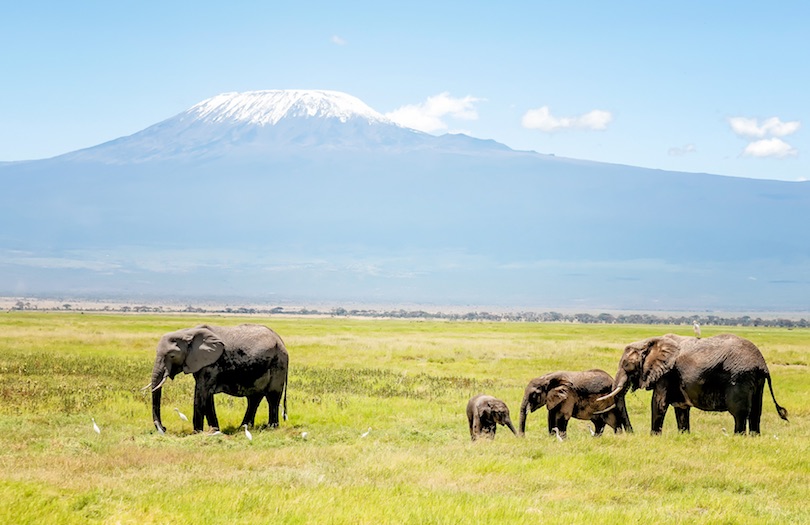
Guide to Tanzania Souvenirs and Where to Find Them
Guide to Tanzania Souvenirs and Where to Find Them; A great souvenir is a small piece of a journey you get to keep. Long after the dust of the Serengeti has been washed from your boots and the last sundowner is a memory, a hand-carved ebony elephant, a bright Maasai blanket, or a polished blue tanzanite stone can carry you straight back to Tanzania.
This is a country blessed not only with extraordinary wildlife and landscapes but also with a deep well of artistic and cultural traditions, and its markets, craft shops, and roadside stalls overflow with beautiful, meaningful things to bring home.
Tanzania’s souvenirs are among the richest and most distinctive in Africa. From the world-famous Tingatinga paintings and Makonde wood carvings to Maasai beadwork, aromatic Zanzibar spices, and the rare gemstone tanzanite found nowhere else on earth, the country offers keepsakes that are genuinely rooted in its land, peoples, and history.
Buying them thoughtfully, from the artisans and communities who create them, means your money supports local livelihoods and traditions, turning a simple purchase into something that gives back to the country you have come to love.
This guide walks you through the best souvenirs to buy in Tanzania, what makes each one special, and, importantly, where to find them, from Arusha and the safari towns to the spice-scented lanes of Zanzibar. Whether you are hunting for a statement piece of art, a wearable memory, or a small gift to share, here is how to shop well and take home the true spirit of Tanzania.
Tingatinga Paintings
Among Tanzania’s most iconic artistic exports, Tingatinga paintings are instantly recognizable for their bright, bold colors, whimsical style, and playful depictions of African wildlife and village life.
The style was born in Dar es Salaam in the 1960s, created by the artist Edward Said Tingatinga, and has since grown into a beloved national art form, with paintings ranging from tiny postcard-sized works to large canvases.
Their cheerful animals, elephants, giraffes, lions, and birds set against vivid backgrounds, make them a joyful and very portable souvenir, as canvases can be rolled for easy transport.
You will find Tingatinga paintings across Tanzania, but the best selection is in Dar es Salaam, especially at the Tingatinga Arts Cooperative Society in the Oyster Bay area, where you can watch artists at work and buy directly from them. They are also widely sold in Arusha, Zanzibar, and craft markets throughout the country. Buying from a cooperative or the artist directly ensures authenticity and supports the community of painters who keep this uniquely Tanzanian art alive.
Makonde Wood Carvings
Tanzania has a magnificent wood-carving tradition, and the finest of it comes from the Makonde people of the country’s south. Makonde carvings, traditionally worked in dark, dense African blackwood known as “mpingo” or “ebony,” are renowned worldwide for their artistry, particularly the intricate “ujamaa” or “tree-of-life” sculptures, which depict interlinked figures climbing and supporting one another as a symbol of family, community, and unity. Also popular are shetani carvings, representing spirits in abstract and imaginative forms, as well as animals, masks, and busts.
These carvings range from small figures to large, museum-quality sculptures, and the best pieces are remarkable works of art. Look for genuine ebony, which is heavy and dark, and admire the fine detail of the carving. Makonde carvings are sold at craft markets across Tanzania, with excellent selections in Arusha, Dar es Salaam, and the Mwenge Carvers Market in Dar, where you can watch carvers at work. As with all wood souvenirs, buying from reputable sellers helps ensure the wood is legally and sustainably sourced.
Maasai Beadwork and Jewellery
The Maasai people, among the most iconic of Tanzania’s many ethnic groups, are celebrated for their exquisite beadwork, and Maasai jewelry is one of the most popular and wearable souvenirs you can buy.
Bright, intricately patterned beaded necklaces, bracelets, earrings, and collars are handmade by Maasai women, with the colors and designs carrying traditional meanings related to status, age, and identity. These vivid, handcrafted pieces make beautiful, lightweight gifts and let you wear a piece of Maasai artistry wherever you go.
Beyond jewelry, you will find beaded belts, sandals, decorated gourds, and the famous Maasai shuka, the red or blue checked blanket-cloth worn by the Maasai, which makes a warm, versatile, and striking souvenir, useful as a throw, wrap, or picnic blanket. Maasai crafts are sold at markets and roadside stalls throughout northern Tanzania, especially around Arusha and the safari areas, and often directly at Maasai villages and cultural bomas, where buying supports the community directly.
Tanzanite:
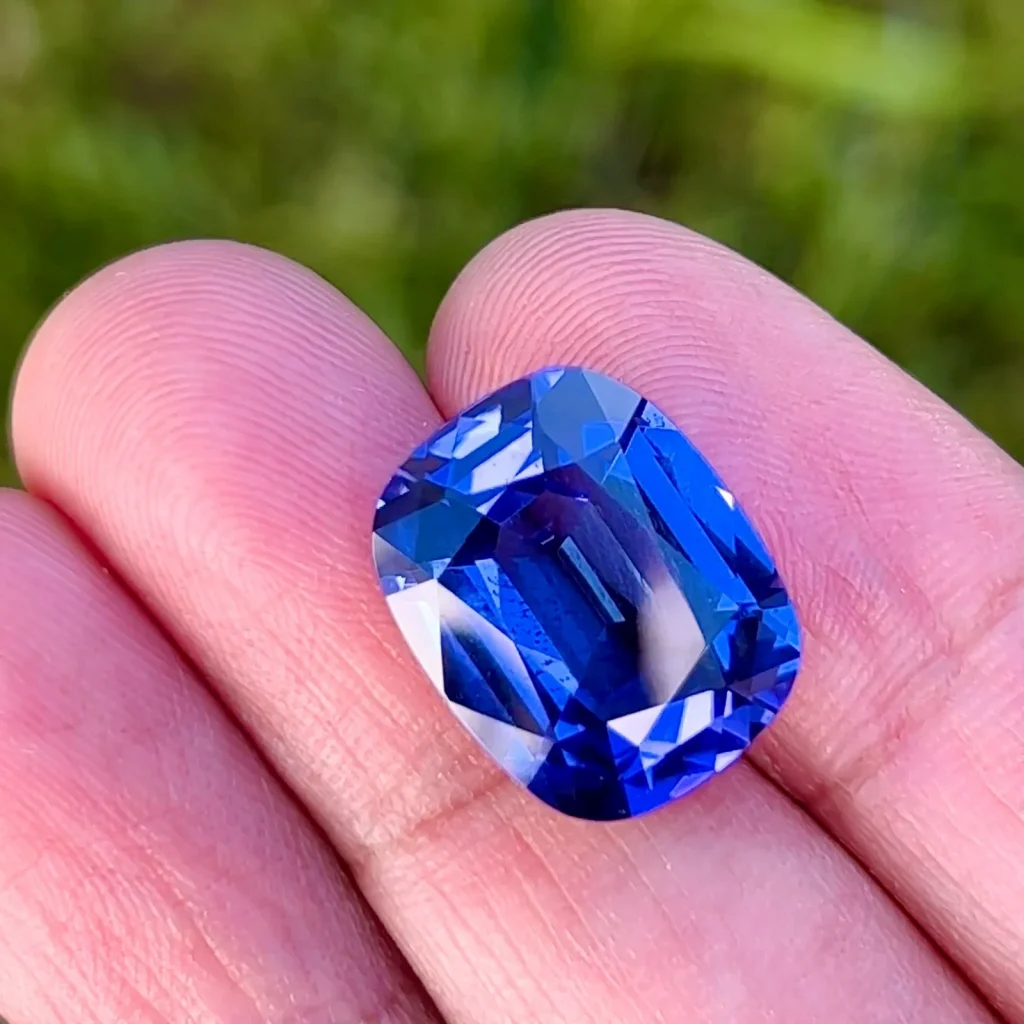
If you want a truly special and uniquely Tanzanian keepsake, look to tanzanite, a stunning blue-violet gemstone found in only one place on the entire planet: the Merelani Hills near Mount Kilimanjaro in northern Tanzania. Discovered only in 1967 and popularized by the jeweler Tiffany and Co., tanzanite is rarer than diamond and prized for its extraordinary color, which shifts between blue, violet, and burgundy depending on the light. A piece of tanzanite jewelry is a luxurious and unforgettable memento of a Tanzanian journey.
Because tanzanite is valuable and, sadly, sometimes imitated, it is essential to buy from reputable, certified dealers who can provide a certificate of authenticity. Arusha, the gateway to the northern safari circuit and close to the mines, is the best place to buy tanzanite, with established, trustworthy jewelers, and reputable dealers can also be found in Dar es Salaam and at the airports. Always ask for certification and buy only from recognized sellers to ensure you are getting a genuine stone at a fair price.
Zanzibar Spices
Zanzibar is known the world over as the Spice Islands, and no visit is complete without bringing home some of its legendary spices. For centuries Zanzibar has been a hub of the spice trade, and its plantations still produce cloves, cinnamon, cardamom, nutmeg, black pepper, vanilla, and more, sold fresh and fragrant in the markets. Small packets or gift sets of Zanzibar spices are affordable, lightweight, wonderfully aromatic souvenirs that let you cook a little Tanzanian magic into your meals back home.
The best place to buy them is Zanzibar itself, particularly in the markets and shops of Stone Town and on a spice-farm tour, where you can see the plants growing, smell and taste the spices fresh, and buy them at the source. Alongside spices, Zanzibar offers spice-based soaps, oils, teas, and perfumes that make lovely gifts. Buying on a spice tour supports local farmers and gives you the story behind each fragrant packet you carry home.
Kanga and Kitenge Fabrics
Tanzania’s love of color shines in its textiles, especially the kanga and kitenge fabrics worn throughout the country. Kangas are brightly printed cotton cloths, typically sold in pairs and often carrying a Swahili proverb or saying printed along the edge, used as wraps, headscarves, baby slings, and more. Kitenge is a thicker, waxed fabric in bold patterns, popular for tailoring into clothing. Both make vibrant, useful, and very affordable souvenirs, whether bought as lengths of cloth or made up into garments and accessories.
These fabrics are sold in markets and fabric shops in every Tanzanian town, with especially good selections in Dar es Salaam, Arusha, and Zanzibar. A kanga with a meaningful Swahili proverb makes a particularly thoughtful gift, and local tailors can quickly turn kitenge into shirts, dresses, or bags. Wearing or displaying these fabrics brings a splash of Tanzanian color and the warmth of Swahili culture into your daily life.
Coffee, and Other Edible Souvenirs
Tanzania grows some superb coffee, particularly the arabica beans cultivated on the slopes of Mount Kilimanjaro and in the highlands around Mbeya and the south. Rich and flavorful, Tanzanian coffee makes an excellent and easily packed souvenir, and buying it lets you enjoy a taste of the country every morning while supporting local farmers. Look for beans from Kilimanjaro or single-origin estates for the best quality and a genuine story.
Beyond coffee, edible souvenirs include Tanzanian honey, tea, cashew nuts, and the spices and spice products of Zanzibar. These consumable gifts are affordable, popular, and easy to share, and they carry the flavors of Tanzania home in the most delicious way. Coffee and honey in particular are widely available in Arusha, Dar es Salaam, Zanzibar, and at farm shops and cooperatives around the growing regions.
Other Popular Tanzanian Souvenirs
Beyond the headline items, Tanzania offers a wealth of other lovely keepsakes to suit every taste and budget, many of them handmade and deeply rooted in local craft traditions.
- Soapstone carvings: smooth, carved animals and figures in soft stone, an affordable and attractive alternative to wood.
- Batik and fabric art: hand-dyed wall hangings depicting wildlife, landscapes, and village scenes; lightweight and easy to roll for travel.
- Banana-leaf and sisal crafts: baskets, bowls, mats, and decorative items woven from natural fibers.
- Drums and musical instruments: hand-carved djembe drums and other instruments that capture the rhythm of Tanzania.
- Leather goods: sandals, belts, and bags, including beaded Maasai leather sandals.
- Recycled and beaded crafts: bottle-cap art, wire animals, and beaded creations made from recycled materials.
- Zanzibar chests and carved doors: for serious collectors, ornately carved wooden pieces reflecting the island’s Swahili and Arab heritage.
Where to Shop for Souvenirs in Tanzania
Knowing where to go makes all the difference in finding quality, authenticity, and fair prices. Here are the best places to shop for souvenirs across Tanzania.
- Arusha: the safari capital and the best place for tanzanite, Makonde carvings, and Maasai crafts, with the Maasai Central Market and the Cultural Heritage Centre, a superb one-stop shop for art, carvings, gems, and crafts.
- Dar es Salaam: home to the Mwenge Carvers Market for wood carvings and the Tingatinga Arts Cooperative for paintings, plus Kariakoo Market for fabrics and everyday goods.
- Zanzibar and Stone Town: the place for spices, kangas, jewelry, carved doors, chests, and Swahili-influenced crafts in atmospheric market lanes.
- Safari lodge and park shops: convenient curated gift shops with quality crafts, ideal if time is short.
- Cultural bomas and village visits: buy Maasai beadwork and crafts directly from the makers, supporting communities.
- Roadside stalls and craft markets: found in most towns and along tourist routes, great for browsing and friendly bargaining.
Tips for Buying Souvenirs in Tanzania
- Bargain politely: gentle haggling is expected at markets and stalls, though not in fixed-price shops; keep it friendly and good-humoured.
- Buy tanzanite only from certified dealers: always insist on a certificate of authenticity to guarantee a genuine stone.
- Support artisans and cooperatives: buying directly from makers ensures your money benefits the people and traditions behind the crafts.
- Avoid illegal wildlife products: never buy ivory, tortoiseshell, coral, or animal skins, which are illegal, unethical, and harmful to conservation.
- Carry small cash: many sellers prefer cash in Tanzanian shillings or US dollars in small denominations.
- Pack thoughtfully: choose sturdy or rollable items where possible, and wrap fragile carvings and gemstones carefully.
- Check ebony authenticity: genuine ebony is heavy and dark; be wary of shoe-polished imitations, and buy from reputable sellers.