East Africa Adventure Safaris
This guide covers best East Africa adventure safaris, where each one actually happens, how physically demanding it is, and how to combine several into one well-paced, genuinely thrilling itinerary rather than a standard game-drive-only trip.
A traditional safari, however extraordinary the wildlife, is fundamentally a passive experience: you sit in a vehicle and watch. Adventure safaris flip that arrangement, putting you on foot, on a raft, on a mountain bike, or dangling from a rope, and East Africa happens to offer one of the widest ranges of genuine adventure activities anywhere on the continent, spread across Uganda, Kenya, Tanzania, and Rwanda.
The challenge is not availability, it is knowing which activities are genuinely worth building a trip around versus which are tourist-trap versions of something better done elsewhere. A handful of destinations globally can claim a comparable range of genuine adventure activities within a single, connected regional trip, and East Africa’s combination of rafting, mountaineering, and wildlife makes it a genuinely rare proposition.
Should You Build an Adventure-Focused East Africa Trip?
Short answer: yes, particularly if you have already done a standard safari before, or if you are travelling with a group that wants more physical engagement than a vehicle-based game drive alone provides.
Adventure activities work best layered onto a wildlife-focused itinerary rather than replacing it entirely, since East Africa’s core appeal, the animals themselves, remains the strongest draw for most first-time visitors. But for repeat visitors, younger and more active travel groups, or anyone who has found standard game drives a bit too sedate after a few days, adding genuine adventure activities transforms the pace and character of the trip considerably.
Why East Africa Works So Well for Adventure Travel
The region’s geography does the heavy lifting here. The Great Rift Valley’s dramatic escarpments and volcanic peaks create genuine mountain and hiking terrain within short reach of major safari circuits. The source of the Nile at Jinja, Uganda, offers some of the most consistent, high-volume white water rafting anywhere in the world.
Tanzania’s Kilimanjaro and Uganda’s Rwenzoris deliver serious high-altitude trekking. And the region’s growing network of community-run adventure operators, particularly around Jinja and the Rwenzori foothills, means many of these activities directly support local employment rather than functioning as isolated tourist add-ons. This combination of dramatic terrain and established local operating infrastructure is genuinely difficult to find together anywhere else on the continent.

East Africa’s Best Adventure Activities
| Activity | Location | Physical Demand |
| White water rafting | Jinja, Uganda (Nile River) | Moderate to high, depending on rafting grade chosen |
| Mountain climbing | Kilimanjaro (Tanzania), Rwenzoris (Uganda), Mount Kenya | High to extreme |
| Hot air ballooning | Serengeti (Tanzania), Maasai Mara (Kenya) | Low |
| Quad biking | Jinja (Uganda), around Arusha (Tanzania) | Low to moderate |
| Mountain biking | Rwanda’s Congo Nile Trail, around Kilimanjaro foothills | Moderate to high |
| Kayaking | Lake Bunyonyi (Uganda), Lake Naivasha (Kenya) | Low to moderate |
| Bungee jumping | Jinja, Uganda (over the Nile) | Low physical demand, high thrill |
| Zip-lining and canopy walks | Select forest canopy setups in Uganda and Kenya forest reserves | Low |
| Walking and night safaris | Kenya’s private conservancies, Uganda’s Kidepo Valley | Moderate |
Jinja: East Africa’s Adventure Capital
If any single town anchors East Africa’s adventure tourism scene, it is Jinja, sitting at the source of the Nile in Uganda. The White Nile here produces genuinely world-class rapids, with commercial rafting trips typically covering a stretch that includes several Grade 4 and 5 rapids alongside calmer sections, run by established operators with strong safety records and both full-day and half-day options available.
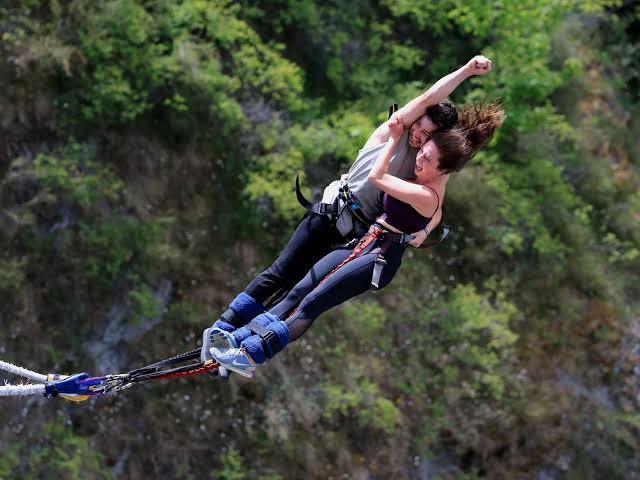
Beyond rafting, Jinja has developed into a genuine adventure hub offering bungee jumping directly over the Nile, quad biking through surrounding villages and countryside, and kayaking for those wanting a calmer, more controlled way to experience the same river. The town itself has grown alongside this tourism economy, now offering a genuinely wide choice of guesthouses, riverside lodges, and restaurants catering specifically to the adventure travel crowd passing through.
Practical implication: Jinja pairs naturally with a Uganda gorilla trekking or wildlife safari itinerary, sitting roughly two to three hours from Entebbe, making it an easy addition at the start or end of a broader trip rather than a standalone destination.
High-Altitude Adventure: Kilimanjaro, the Rwenzoris, and Mount Kenya
For travellers wanting a serious physical challenge, East Africa offers three world-class mountain destinations, each with a distinct character.
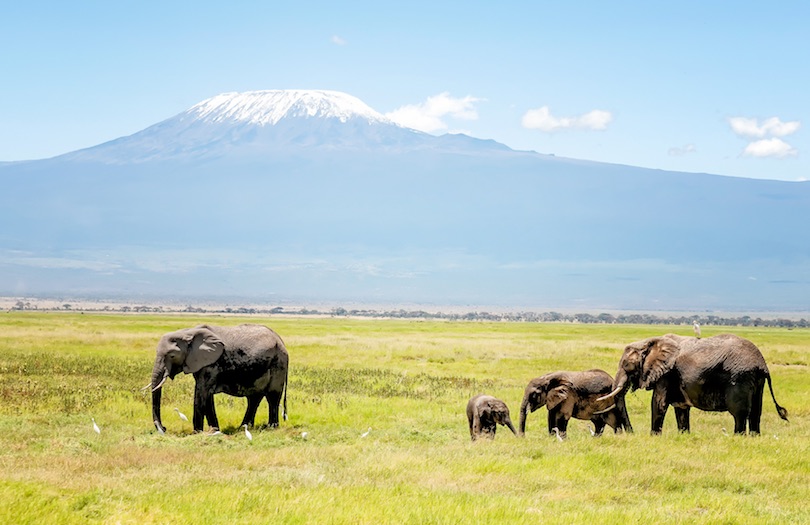
- Kilimanjaro (Tanzania): Africa’s highest peak at 5,895 metres, climbable via several routes ranging five to nine days, requiring no technical climbing skill but genuine altitude fitness and a well-chosen route for acclimatisation.
- Rwenzori Mountains (Uganda): a more technical, less crowded alternative, involving genuine glacier travel and via ferrata sections near the 5,109 metre summit of Margherita Peak.
- Mount Kenya: Africa’s second-highest peak at 5,199 metres, offering routes ranging from non-technical treks to genuine rock climbing on its jagged summit spires, with a considerably shorter time commitment than Kilimanjaro for the standard trekking peaks.
Hot Air Ballooning Over the Plains
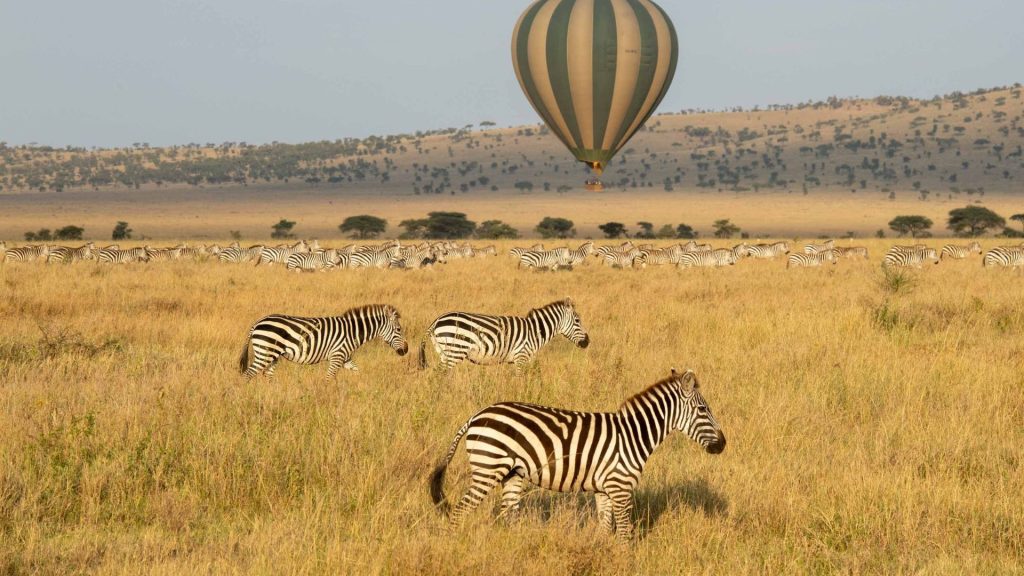
A genuinely different, low-effort way to experience East Africa’s landscapes, hot air balloon safaris operate over both the Serengeti in Tanzania and the Maasai Mara in Kenya, typically launching at dawn and followed by a champagne bush breakfast. This activity requires no fitness or particular bravery beyond comfort with heights, making it one of the most accessible “adventure” activities on this list despite its dramatic, memorable nature.
Rwanda’s Congo Nile Trail
Less internationally known than Uganda’s or Kenya’s adventure offerings, Rwanda’s Congo Nile Trail runs roughly 227 kilometres along the shores of Lake Kivu, popular with mountain bikers and hikers tackling it in sections rather than as a single continuous trip. The trail passes through terraced hillsides, small fishing villages, and tea plantations, offering a genuinely different, more culturally immersive adventure experience than a pure wildlife-focused activity.
What These Activities Cost
| Activity | Approximate Cost Per Person | Notes |
| Full-day white water rafting, Jinja | $140 to $180 | Includes safety equipment, lunch, and transport from Jinja town |
| Bungee jumping, Jinja | $115 to $140 | Single jump; multiple jump packages available at a discount |
| Kilimanjaro climb (7 to 8 day route) | $2,200 to $4,000 | Varies with route, operator, and group size |
| Rwenzori full summit circuit | $1,800 to $2,800 | Includes guides, porters, and mountain hut accommodation |
| Hot air balloon safari | $500 to $600 | Includes bush breakfast; typically the single most expensive per-hour activity on this list |
| Congo Nile Trail mountain biking (per day) | $60 to $100 | Bike hire and guide; multi-day packages available with accommodation included |
Building an Adventure-Focused Itinerary
A well-paced two-week East Africa adventure itinerary might combine gorilla trekking and Jinja’s rafting and bungee scene in Uganda with a Kilimanjaro climb or Serengeti balloon safari in Tanzania, though attempting all of this in a single trip requires realistic sequencing given how physically demanding several of these activities are back to back.
We generally recommend placing the most strenuous activity, a mountain climb or multi-day trek, either at the very start or very end of a trip rather than in the middle, so fatigue does not compound across unrelated activities.
When to Do These Activities
| Activity | Best Timing | Notes |
| White water rafting, Jinja | Year-round | Water levels shift slightly with rainfall but rafting operates in essentially all seasons |
| Kilimanjaro and Rwenzori climbing | June to September, December to February | Dry seasons offer firmer trails and clearer summit conditions |
| Hot air ballooning | Year-round, best June to October for migration views | Weather-dependent; early morning launches can be cancelled in poor visibility |
| Congo Nile Trail biking | June to September, December to February | Drier conditions make the trail’s dirt sections considerably more manageable |
| Bungee jumping and quad biking, Jinja | Year-round | Minimal seasonal impact on these shorter, lower-terrain activities |
A Sample Two-Week Adventure Itinerary
To make this concrete, here is one realistic way to sequence a genuinely adventure-heavy two-week trip without overloading any single stretch of days.
- Days 1 to 3: Arrive Entebbe, travel to Jinja for white water rafting, bungee jumping, and quad biking.
- Days 4 to 6: Travel to Bwindi for gorilla trekking, using the road journey and trek itself as a natural change of pace from Jinja’s high-adrenaline activities.
- Day 7: Rest and travel day, transitioning toward Kigali or a flight to Tanzania.
- Days 8 to 9: Serengeti hot air balloon safari and a more relaxed vehicle-based game drive schedule.
- Days 10 to 14: Kilimanjaro climb via a shorter route, timed as the trip’s final major physical challenge with a rest day built in immediately beforehand.
This sequencing deliberately places the single most demanding activity, the Kilimanjaro climb, at the end of the trip, after the body has had time to adjust to the general travel rhythm, rather than attempting it first while still jet-lagged from international travel. Travellers with less total time available can drop the Kilimanjaro leg entirely and still come away with a genuinely adventure-packed week built around Jinja, gorilla trekking, and a Serengeti balloon flight.
Who This Type of Trip Suits
| Traveller Type | Recommended Focus | Reasoning |
| Repeat safari visitors seeking something new | Jinja adventure cluster plus a mountain climb | Delivers genuinely different physical experiences from a standard game drive trip |
| Younger, active groups or bachelor/bachelorette trips | Jinja rafting, bungee, quad biking | High energy, sociable activities well suited to group travel |
| Serious hikers and climbers | Kilimanjaro or the Rwenzoris | A genuine mountaineering challenge as the centrepiece of the trip |
| Photographers wanting a unique perspective | Hot air ballooning | Aerial imagery unavailable from any ground-based activity |
| Culturally curious travellers | Rwanda’s Congo Nile Trail | Combines physical activity with genuine village and landscape immersion |
Planning Advice
- Sequence high-exertion activities carefully. Doing a Kilimanjaro climb immediately before a gorilla trek, for example, leaves little recovery time and increases injury risk from cumulative fatigue.
- Check age and health restrictions before booking. Bungee jumping, white water rafting, and high-altitude trekking all carry specific minimum age and health screening requirements that vary by operator.
- Choose Grade 3 rafting sections if travelling with less experienced or younger participants. Jinja’s operators typically offer both a higher-intensity Grade 4/5 route and a gentler alternative.
- Book mountain climbs through licensed, reputable operators only. This is a safety-critical decision, not simply a cost comparison, given the genuine risks involved in high-altitude trekking.
- Build in genuine rest days between major physical activities. Adventure trips that stack too many demanding days back to back often leave travellers exhausted rather than exhilarated by the end.
Frequently Asked Questions
Is white water rafting on the Nile safe for beginners?
Yes, reputable Jinja operators offer beginner-appropriate sections and provide safety briefings, equipment, and experienced guides. Travellers with no prior rafting experience complete these trips successfully every season.
Do I need to be extremely fit to climb Kilimanjaro?
Good general fitness helps considerably, but Kilimanjaro’s standard trekking routes require determination and proper acclimatisation more than elite athletic ability. Choosing a longer route with more acclimatisation days meaningfully improves your chances of success regardless of starting fitness level.
Can I combine adventure activities with gorilla trekking in the same trip?
Yes, and Uganda specifically makes this easy, since Jinja’s adventure activities and Bwindi’s gorilla trekking both sit within a reasonable overall itinerary, connected by a single, manageable road route.
Is hot air ballooning worth the cost?
Most guests who do it describe it as one of the standout memories of their entire trip, given the unique aerial perspective and the celebratory bush breakfast that follows, though it is genuinely one of the pricier per-hour activities available.
What is the minimum age for bungee jumping in Jinja?
Most operators set a minimum age of 13 to 14, along with weight restrictions, and require parental consent for minors. Confirm specific requirements directly with the operator before booking.
Is it safe to combine high-altitude trekking with other adventure activities on the same trip?
Generally yes, provided you sequence sensibly and allow proper recovery time between demanding activities. Attempting a mountain climb and a multi-day rafting expedition back to back without rest days is where most avoidable fatigue-related problems occur.
What should I pack differently for an adventure-focused itinerary compared with a standard safari?
Beyond standard safari clothing, plan for quick-dry gear for rafting and kayaking days, proper closed-toe water shoes, a dry bag for electronics, and separate cold-weather mountaineering gear if a Kilimanjaro or Rwenzori climb is part of the plan. Packing for both a hot, humid rafting day and a near-freezing mountain summit within the same trip takes more forethought than a standard wildlife-only itinerary.
Do these adventure activities require separate travel insurance coverage?
Yes, and this is worth checking carefully. Standard travel insurance policies sometimes exclude or cap coverage for activities classified as high-risk, including white water rafting above a certain grade, bungee jumping, and high-altitude trekking above a specified elevation. Confirm your policy explicitly covers each activity you plan to do before you travel.
Building Your Adventure Itinerary
East Africa’s adventure activities genuinely stand on their own merits, not simply as an add-on to justify a higher trip price, and combining even one or two of them with a standard wildlife safari changes the entire character and pace of the trip. The key planning challenge is sequencing rather than availability, since almost everything on this list is bookable with enough lead time; the harder part is fitting the right combination into a realistic, well-paced schedule.