Amazing Things to Do in Tanzania on a Vacation
Tanzania is one of the only countries in the world where you can watch a million wildebeest cross a river, stand on the rim of an extinct volcano looking down at a self-contained ecosystem, and fall asleep to the sound of the Indian Ocean, all inside the same two-week trip. This guide comprises amazing things to do in Tanzania on a vacation.
That range is exactly what makes planning difficult. Kenya’s safari circuit is smaller and easier to compare. South Africa’s is more self-drive friendly. Tanzania rewards travellers who understand what each region actually offers, because the country is large, the distances between highlights are real, and the itinerary you build determines whether your trip feels effortless or rushed.
We have put together itineraries for guests chasing the wildebeest migration, families wanting a beach finish after Kilimanjaro, and couples who want nothing more than a private mobile camp in the Serengeti. This guide walks through the experiences worth building a trip around, where they happen, when to go, what they cost, and how to combine them without wasting travel days in transit.
Should You Build a Trip Around These Experiences?
yes, provided you are honest about how much time and budget you have, because Tanzania punishes rushed itineraries more than most safari countries.
Tanzania works best as a trip of ten to fourteen days if you want to combine northern circuit parks with Zanzibar, or seven to nine days if you are focusing on the north alone. Travellers who try to compress the Serengeti, Ngorongoro, Tarangire, and Zanzibar into six or seven days usually end up spending more time on transfers than on activities, and arrive home with a blurred memory of the trip rather than distinct, well-paced experiences. If your total available time is under a week, we generally steer clients toward a tighter northern circuit loop rather than adding the coast, because a half-day beach stop is not worth the travel cost of getting there.
The other honest question is budget. Tanzania’s national park fees, conservation levies, and crater fees are genuinely high compared with neighbouring countries, and they apply per person per day regardless of where you stay.
A guest sleeping in a budget campsite inside the Serengeti pays the same park fee as a guest in a luxury tented camp next door. This means the “cheap Tanzania safari” is a myth in the way it might exist in, say, Uganda; the floor price is set by government fees, not by accommodation choice. Once you accept that, the decision becomes about which experiences justify the trip rather than whether Tanzania is affordable in absolute terms.
Why Tanzania Stands Out
Three things separate Tanzania from other safari destinations, and they explain why it consistently tops bucket lists rather than just appearing on them. First is scale. The Serengeti ecosystem alone covers close to 30,000 square kilometres when you include the Ngorongoro Conservation Area and the connected game reserves, which means wildlife densities and migration patterns are less constrained by park boundaries than almost anywhere else in Africa.

Second is the sheer variety of landscape within a single country: volcanic highlands, short-grass plains, riverine forest, miombo woodland, and a genuine tropical archipelago, all reachable without crossing a border. Third is that Tanzania protects a disproportionate share of its land, with roughly a third of the country under some form of conservation status, so wildlife viewing rarely feels like competing for space with agriculture or development.
Practical implication: because the country is so large, your itinerary design matters more here than in smaller safari countries, and grouping activities by region prevents wasted flying or driving time.
Where Tanzania’s Best Experiences Happen
Most of what people mean by “amazing things to do in Tanzania” clusters into four regions, and understanding this geography is the single most useful planning tool before you start picking activities.
| Region | Signature Experiences | Typical Trip Role |
| Northern Circuit (Serengeti, Ngorongoro, Tarangire, Lake Manyara) | Great Migration, Big Five game drives, crater floor safari, tree-climbing lions | Core safari days, 5 to 8 nights |
| Kilimanjaro & Arusha | Summit trekking, day hikes, cultural village visits, coffee tours | Optional add-on, 5 to 9 days for the climb |
| Zanzibar & the Coast | Stone Town history, spice tours, diving, dhow sailing, beach recovery | Post-safari relaxation, 3 to 5 nights |
| Southern & Western Circuits (Ruaha, Nyerere/Selous, Mahale, Katavi) | Boat safaris, walking safaris, chimpanzee trekking, low-density wildlife viewing | For repeat visitors or those avoiding crowds |
The northern circuit is where most first-time visitors should concentrate their time, because it delivers the highest wildlife density per day of driving. The southern and western circuits are extraordinary but require either more time or more flying budget to reach, which is why we usually recommend them to guests on a second or third Tanzania trip rather than a first.
When to Go for Each Experience
Timing changes what you will actually see, and this is where generic “best time to visit Tanzania” advice tends to fail travellers, because the honest answer depends entirely on which experience you are chasing.
| Month(s) | What Is Happening | Best For |
| January to March | Calving season on the southern Serengeti plains, short grass, newborn wildebeest | Predator action, dramatic births, good weather |
| April to May | Long rains, migration moves through central Serengeti | Lowest rates, fewer crowds, some camps close |
| June to July | Migration herds move north, river crossings begin at the Grumeti | River crossing photography, dry weather begins |
| August to October | Peak migration in the northern Serengeti and Mara River crossings | Classic migration scenes, peak season pricing |
| November to December | Short rains, herds move back south | Green season photography, birding, moderate rates |
What These Experiences Cost
Budget conversations in Tanzania go smoother once you separate the fixed costs from the flexible ones. Park fees, conservation fees, and crater service fees are fixed by the government and the Ngorongoro Conservation Area Authority, and they do not change based on which camp you book. Accommodation, vehicle type, and whether you fly or drive between parks are the flexible costs that actually move your total budget up or down.
| Style | Per Person Per Day (all-inclusive) | What Changes |
| Budget camping safari | $180 to $280 | Shared vehicles, public campsites, set-menu meals |
| Mid-range lodge safari | $350 to $550 | Private vehicle option, en-suite lodges, varied menus |
| Luxury tented safari | $650 to $1,100+ | Fly-in options, exclusive-use camps, personalised guiding |
Where You Will Stay
Accommodation choice in Tanzania is less about luxury for its own sake and more about location relative to game-viewing areas, because a camp’s position inside or outside a park boundary changes your actual driving time each day. Camps inside the Serengeti’s central Seronera area or in the northern Kogatende region put you closer to resident wildlife or the river crossings respectively, while camps just outside the Ngorongoro Conservation Area boundary save on nightly conservation fees but add thirty to ninety minutes of driving to reach the crater floor.
- Public campsites: the most affordable way to sleep inside the parks, suited to travellers comfortable with basic facilities and shared communal areas.
- Owner-run tented camps: mid-range properties, often family-run, offering genuine personal service without five-star pricing.
- Fly-in luxury camps: private airstrips, exclusive concessions, and the flexibility to walk or drive off-road, best suited to honeymooners and guests prioritising privacy over budget.
- Zanzibar beach lodges: ranging from simple beachfront bungalows in the north to private-pool villas on the east coast, chosen based on whether you want a lively beach town nearby or total seclusion.
The Best Things to Do in Tanzania
1. Track the Great Migration
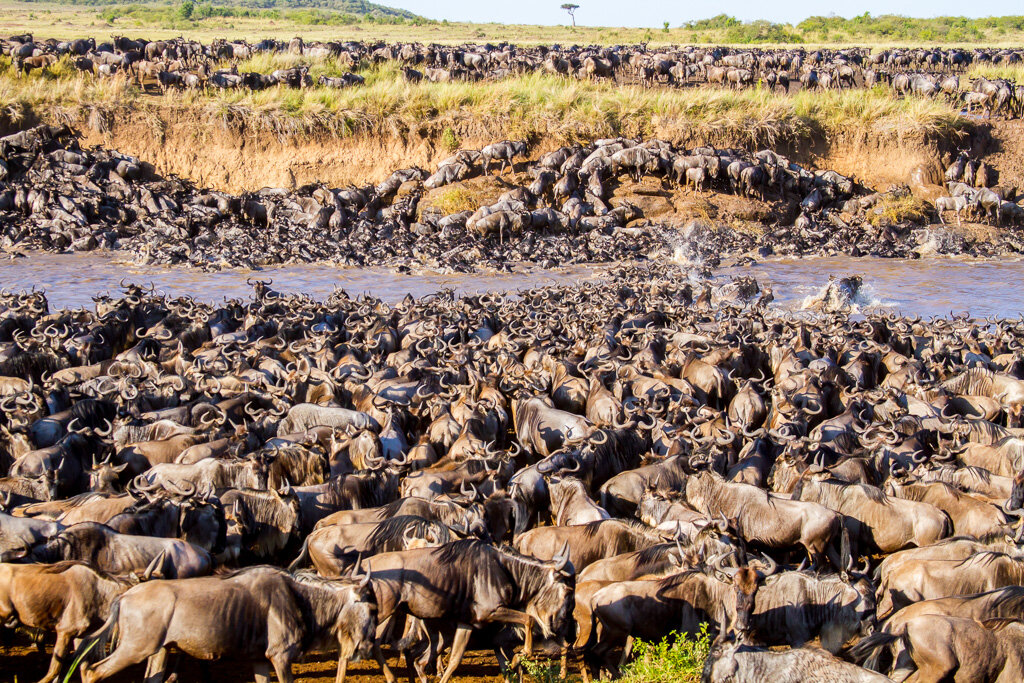
This is the experience most people picture when they think of Tanzania, and for good reason. Over a million wildebeest, alongside several hundred thousand zebra and gazelle, move in a roughly circular pattern through the Serengeti ecosystem each year, chasing rainfall and fresh grass. Watching this in person, whether it is the chaos of a Mara River crossing in August or the calm grazing herds spread across the southern plains in February, is different from any wildlife documentary because of the scale and the sound. Plan your trip dates around the migration’s likely position for that month rather than assuming it will be wherever you land.

2. Descend Into the Ngorongoro Crater
The crater floor holds one of the highest densities of large mammals anywhere on the continent, packed into a caldera roughly 260 square kilometres wide with walls rising 600 metres around it. Because the crater is a closed system, sightings of lion, elephant, and the elusive black rhino are unusually reliable in a single morning game drive, which makes it one of the few places in Africa where a half-day visit can realistically deliver Big Five sightings.
3. Spot Tarangire’s Elephant Herds and Baobabs
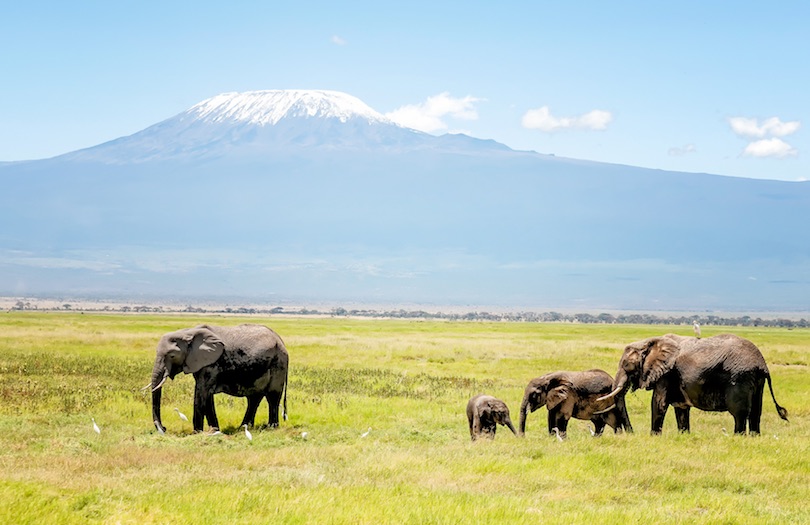
Tarangire is underrated by first-time visitors who default straight to the Serengeti, but it holds some of the largest elephant herds in Tanzania, drawn by the Tarangire River during the dry season, alongside a landscape dotted with ancient baobab trees that photograph beautifully at golden hour. It is also a strong choice for travellers who want a shorter, less crowded add-on to a northern circuit itinerary.
4. Climb Mount Kilimanjaro
Africa’s highest peak, at 5,895 metres, is a serious physical undertaking rather than a casual walk, and success rates correlate closely with the number of days chosen for the route. Routes like Lemosho and Machame at seven to eight days give your body meaningfully more time to acclimatise than the shorter five-day Marangu route, and this single decision affects summit success more than fitness level in most cases. This is a standalone trip component that needs its own planning conversation, separate from the safari days.
5. Relax on Zanzibar’s Beaches
After a week of early game drives, Zanzibar’s white sand and warm, shallow water function as genuine recovery time rather than an afterthought. The east coast around Paje and Jambiani suits travellers who want a quieter, more traditional beach village feel, while the north around Nungwi and Kendwa has more restaurants, watersports, and a livelier evening scene.
6. Walk Through Stone Town’s History
Zanzibar’s old town is a UNESCO World Heritage Site built from a genuine mix of Swahili, Arab, Persian, Indian, and European influences, and a guided walk through its narrow streets, markets, and former slave trade sites adds historical depth to a trip that might otherwise be entirely wildlife-focused. Two to three hours with a knowledgeable local guide is enough to understand the layers of the town without it feeling like a forced history lesson.
7. Take a Zanzibar Spice Tour
Zanzibar earned its nickname as the Spice Island for genuine reasons, and a farm visit where you handle and smell cloves, nutmeg, cinnamon, and vanilla growing on the plant is a hands-on, low-effort half day that works well for families with children who might find a full safari day too long.
8. Dive or Snorkel Around Mnemba Atoll
The reef around Mnemba is consistently rated among East Africa’s best diving and snorkelling sites, with visibility often exceeding 20 metres and healthy coral supporting reef fish, turtles, and occasional dolphin pods. This suits travellers who already dive rather than beginners looking to try it for the first time, since currents around the atoll can be brisk.
9. Go on a Hot Air Balloon Safari
A sunrise balloon flight over the Serengeti plains, typically followed by a champagne bush breakfast, gives you a genuinely different perspective on the landscape and often reveals animal movement patterns invisible from a vehicle. It is a premium add-on rather than a budget activity, and worth booking in advance since balloon capacity is limited each morning.
10. Visit a Maasai or Hadzabe Community
Cultural visits work best when arranged through a guide with a genuine, ongoing relationship with the community rather than a generic tourist stop bundled into every itinerary. A well-run visit to a Maasai boma near Ngorongoro or a morning with Hadzabe hunter-gatherers near Lake Eyasi offers real insight into two very different ways of life still practised in Tanzania today, and the better operators ensure a fair share of the visit fee goes directly to the community.
11. Track Chimpanzees in Mahale or Gombe
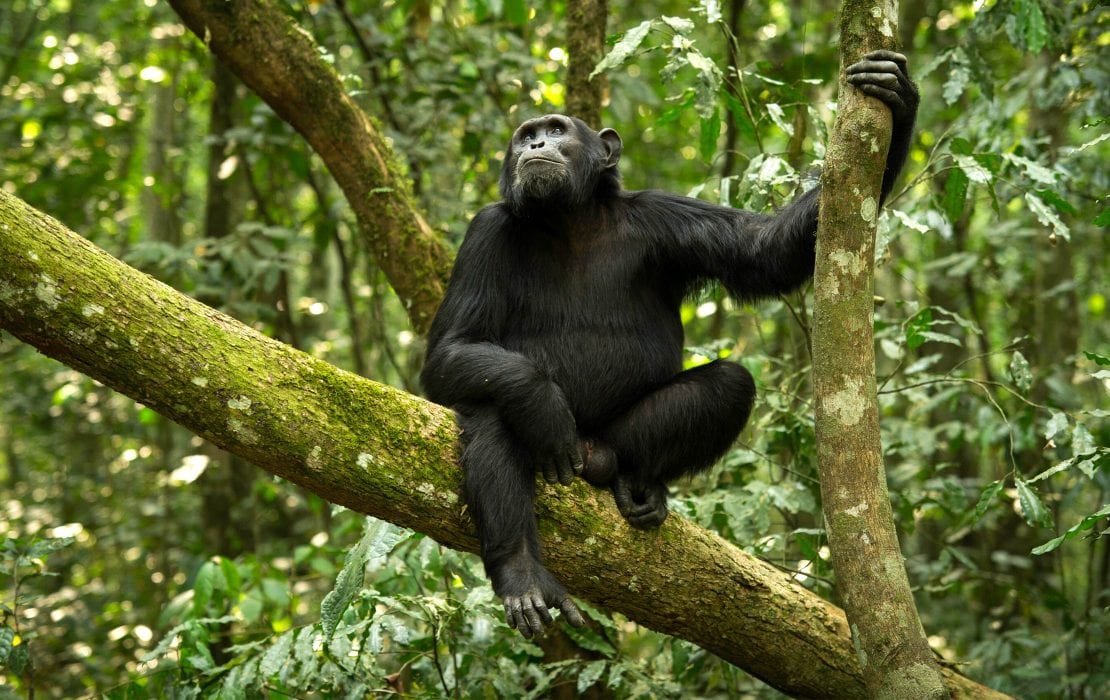
For travellers who have done a standard safari before and want something rarer, chimpanzee trekking along Lake Tanganyika’s shoreline in Mahale Mountains National Park or Gombe Stream is genuinely different terrain and effort compared to savannah game drives, involving forest hiking to reach habituated chimp groups. Access requires either a long drive or a charter flight, which is why this suits repeat visitors more than a first trip.
12. Take a Boat Safari in Nyerere National Park
Nyerere, formerly part of the Selous Game Reserve, is Africa’s largest protected wildlife area and one of the few places where a boat safari along the Rufiji River is as productive as a vehicle game drive, regularly bringing you close to hippo pods, crocodiles, and elephants drinking at the water’s edge.
Planning Advice That Actually Helps
- Group activities by region first, then pick dates. Deciding “I want to see the migration and climb Kilimanjaro” before checking whether your travel window fits both leads to disappointment. Build the geography first.
- Budget an extra buffer day after Kilimanjaro. Altitude affects people unpredictably, and a same-day flight out after summiting removes any margin if you need to descend a day late.
- Do not underestimate driving distances. Arusha to the Serengeti’s central area is six to seven hours by road; many guests choose an internal flight for this leg specifically to protect a full day of game viewing.
- Book balloon safaris and Mnemba diving in advance. Both have genuinely limited daily capacity, unlike most other activities on this list.
- Confirm your visa and yellow fever requirements early. Requirements have shifted in recent years and vary depending on which countries you are arriving from.
Which Experiences Suit Which Traveller
| Traveller Type | Recommended Focus | Why It Fits |
| First-time safari couple | Northern circuit plus Zanzibar | Highest wildlife density with a relaxing beach finish |
| Families with children | Tarangire, Ngorongoro, spice tour, beach | Shorter drive times, hands-on cultural activities, kid-friendly pacing |
| Serious hikers | Kilimanjaro on a 7 to 8 day route, then short safari | Maximises summit success, safari as a reward after descent |
| Photographers | Migration timing in the Serengeti, balloon safari | Access to river crossings, aerial perspective, golden hour light |
| Repeat visitors | Nyerere, Mahale, Ruaha | Lower crowds, different terrain, boat and walking safaris |
Frequently Asked Questions
How many days do I need in Tanzania?
Seven to nine days covers a solid northern circuit safari. Add three to four nights for Zanzibar, or five to nine days separately if you are climbing Kilimanjaro.
Is Tanzania safe for tourists?
Yes, the safari circuit and Zanzibar’s tourist areas see millions of visitors annually with a strong safety record. Standard travel precautions around valuables and reputable transport apply, as they would anywhere.
Can I combine Tanzania with a Uganda or Rwanda gorilla trekking trip?
Yes, though it requires careful routing since flights between East African hubs are not always direct. We build combined itineraries regularly for guests who want both primates and the migration in one longer trip.
Do I need a guide for Kilimanjaro?
Yes, this is a legal requirement, not a suggestion. All climbs must be organised through a licensed operator with registered guides and porters.
What vaccinations do I need for Tanzania?
Yellow fever vaccination is required if you are arriving from a country with risk of transmission, and malaria prophylaxis is strongly recommended for all safari areas. Confirm current requirements with a travel clinic close to your departure date, since policies do change.