Sand Rivers Selous
Sand Rivers Selous has earned a rare distinction in East African safari circles: an enduring favourite since the 1980s, still consistently ranked among the two or three finest camps in Nyerere National Park (formerly the Selous Game Reserve) more than four decades after it first opened.
Built in 1984 by Richard Bonham, the legendary safari guide and conservationist who also founded Ol Donyo Lodge in Kenya, Sand Rivers occupies a rocky peninsula directly above a sweeping bend of the Rufiji River, a mile wide at this specific point, and the setting alone explains much of the camp’s lasting appeal.
When Bonham built the camp, he was reportedly offered his choice of any location across the entire northern Selous, and he chose this specific spot considered reasons: an intricate network of sand river channels, oxbow lakes, and open plains converges here, opening what the camp itself describes as a window on the private lives of Africa’s big mammals.
The Setting: “Barefoot Luxury” Defined
Sand Rivers is often described using the phrase “barefoot luxury,” and having spent decades earning that specific reputation, the description fits. The lodge feels so completely integrated with the Rufiji’s ebb and flow that it seems almost moored on the riverbank itself, with one entire side left open to the water.
This is precisely where Nomad Tanzania (the company now operating the camp) pioneered its legendary foot safaris in the Selous, and the property retains that adventurous, pioneering spirit today rather than having smoothed it into a more conventional luxury lodge format over the years.
The Selous ecosystem itself, at 55,000 square kilometers, ranks as the largest single wildlife area anywhere in Africa, roughly the size of Switzerland, and Sand Rivers’ position further west than most other Nyerere properties places it squarely within one of this vast reserve’s best game-viewing areas, with direct boat access up to Stiegler’s Gorge, a dramatic river gorge and one of the region’s most striking natural features.
Accommodation
Sand Rivers offers eight open-fronted guest cottages in total: five standard riverside cottages and three elevated hillside suites, all raised on high concrete platforms with whitewashed stone walls and thatched roofs, giving every room sweeping, uninterrupted views across the river below.
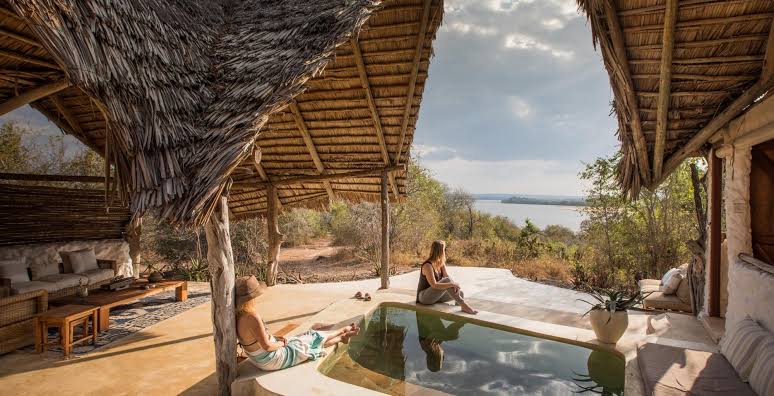
Each room includes a spacious en-suite bathroom with a flush toilet and powerful hot-and-cold showers, and the three hillside suites add a further private lounge area plus their own private plunge pool overlooking the Rufiji, a standout feature within the camp’s broader accommodation lineup.
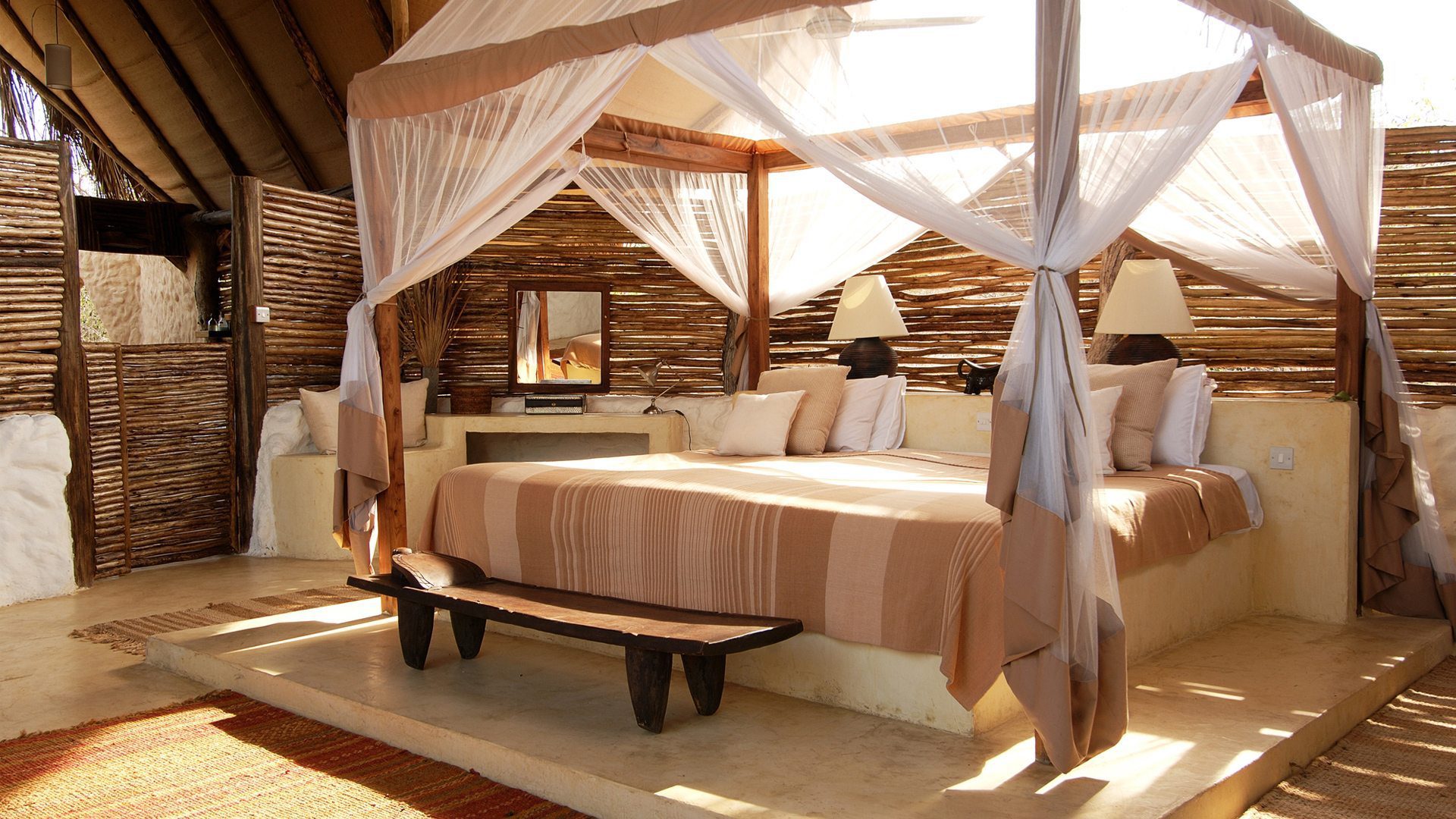
The open-fronted design, deliberately spacious and light, is built specifically to welcome the outside in; plenty of natural light and cooling breezes drift directly off the river, and while this openness suits adventurous travellers more than those seeking a fully enclosed, air-conditioned hotel-style room, it remains unmistakably luxurious throughout, exactly the balance the “barefoot luxury” label is meant to convey.
The Rhino House: A Dedicated Honeymoon Cottage
Beyond the standard eight rooms, Sand Rivers offers the Rhino House, a private one-bedroom cottage complete with its own lounge and dining area, purpose-built as a honeymoon retreat and including a dedicated private vehicle and guide for the exclusive use of its occupants throughout their stay, a meaningful step up in privacy and personalization even relative to the camp’s already-intimate standard accommodation.
Wildlife: Wild Dog and the Largest Elephant Population in Africa
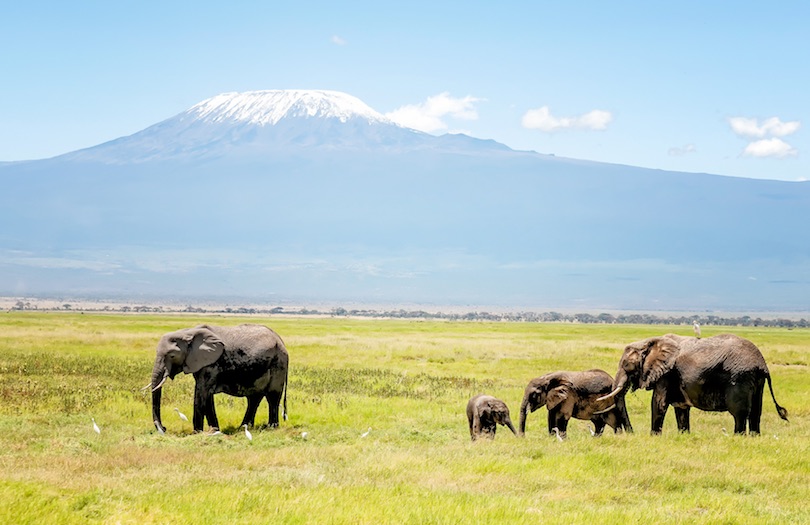
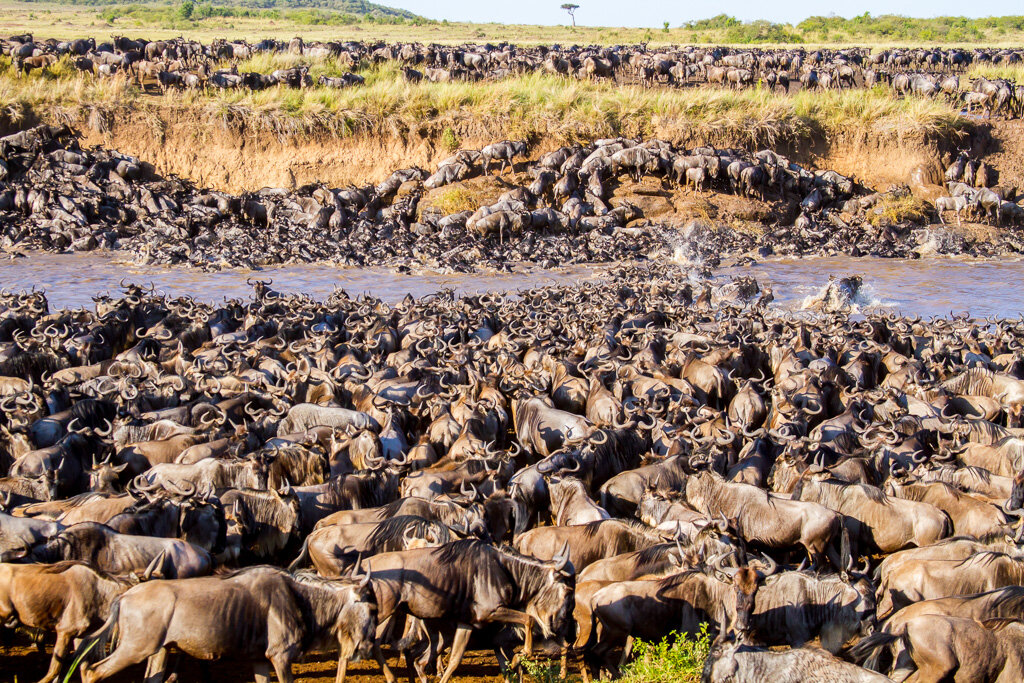
The Selous holds the largest population of elephants found anywhere on the African continent, and Sand Rivers’ local wildlife roster extends well beyond this headline species: considerable populations of hippo and crocodile wallow along the river’s numerous sandbanks, and wild dog sightings occur with regularity, an increasingly rare treat across much of East Africa given the species’ broader decline. Recent visitors have specifically reported multiple wild dog sightings on foot, an unusual occurrence anywhere in the region and a real testament to how successfully Sand Rivers’ walking safari programme delivers close, meaningful wildlife encounters.
Activities: The Most All-Round Adventurous Camp in the Region
Sand Rivers offers a comprehensive activity menu: standard game drives in open 4×4 vehicles, escorted nature walks, boat cruises along the Rufiji, and exceptional fly-camping expeditions that let guests sleep out under the stars in a temporary camp setup specifically for the occasion. The camp’s emphasis on walking safaris and fly camping alongside conventional drives distinguishes it from more conventional lodges content to offer vehicle-based game viewing alone.
For anglers specifically, Sand Rivers offers serious sport fishing opportunities on the Rufiji, with past guests reporting real success landing tiger fish up to six kilograms, a specific, memorable highlight for visitors who bring their own equipment and treat fishing as a dedicated part of their stay rather than an afterthought.
Dining and Communal Areas
The main lodge area houses a lounge, dining room, library, bar, plunge pool, and a veranda looking directly out over the river, whose water levels drop considerably during the dry season, exposing wide stretches of the sandbanks the camp takes its name from.
Meals are creatively presented and beautifully served, often taken together as a group specifically to enjoy the camp’s ambience and consistently excellent service, and one particularly memorable dining feature is an enormous tree trunk converted directly into a dining table, used for meals served either at the lodge or out in the pristine surrounding bush.
Guiding
Guiding at Sand Rivers receives consistently glowing praise from past guests, with specific guides remembered by name years after a stay and actively requested again on return visits, reflecting both individual skill and Nomad Tanzania’s broader company-wide investment in guide training and long-term staff retention.
Kiba Point: The Exclusive Sister Camp
For travellers wanting an even more private experience, Kiba Point functions as Sand Rivers’ exclusive-use sister camp, available with its own dedicated private drivers and staff, a option for families or groups wanting the entire property to themselves rather than sharing communal spaces with other guests during their stay.
Best Time to Visit
Sand Rivers is best visited between June and October, the cooler, drier months, when wildlife concentrates predictably around the receding Rufiji River and its exposed sandbanks, and when the camp’s open-fronted design feels most comfortable given the more moderate daytime temperatures this period offers relative to the hotter, wetter months earlier in the year.
Why Sand Rivers Has Endured for Four Decades
Few safari camps anywhere in Africa maintain relevance and reputation across more than four decades of operation, and Sand Rivers’ continued standing reflects a combination of factors rarely found together at this level: an irreplaceable physical setting chosen deliberately by a safari legend, a pioneering commitment to walking safaris that predates the current broader industry trend toward foot-based experiences, and a consistent operational standard maintained by Nomad Tanzania across the decades since Bonham’s original vision first took shape on this specific riverbank.
Nyerere National Park: The Setting in Context
Nyerere National Park, renamed from the Selous Game Reserve in 2019 in honour of Tanzania’s founding president Julius Nyerere, remains the largest protected wildlife area on the entire African continent, and its sheer scale means variation exists between different sections of the park depending on which specific camp and area you choose.
Sand Rivers’ position further west than most Nyerere properties places it within a section of the park considerably less developed and visited than the areas closer to the main entry points, reinforcing the camp’s sense of remoteness and exclusivity.
The Rufiji River itself functions as the ecological backbone of the entire northern Selous-Nyerere ecosystem, its seasonal channels, oxbow lakes, and sandbanks supporting an extraordinary density and diversity of wildlife that concentrates predictably along its banks, precisely the phenomenon Sand Rivers was built specifically to overlook.
Getting There
Sand Rivers is typically reached via scheduled or charter flight into one of Nyerere National Park‘s airstrips, followed by a road or occasionally boat transfer to the camp itself, with exact routing depending on which specific airstrip your flight uses and current seasonal road conditions.
Given the camp’s remoteness relative to more accessible Nyerere properties, confirming transfer logistics directly with your booking agent or Nomad Tanzania ahead of travel is worthwhile, particularly for guests planning to combine Sand Rivers with a stay at Kigelia Ruaha or another Nomad property elsewhere in southern Tanzania.
Frequently Asked Questions
Who built Sand Rivers Selous, and when?
Richard Bonham, a legendary safari guide and conservationist who also founded Ol Donyo Lodge in Kenya, built Sand Rivers in 1984, choosing this specific rocky peninsula above the Rufiji River after being offered any location across the northern Selous.
How many rooms does Sand Rivers Selous have?
Eight open-fronted guest cottages: five standard riverside cottages and three elevated hillside suites, the latter each including a private plunge pool overlooking the Rufiji River.
What does ‘barefoot luxury’ mean at Sand Rivers?
It describes the camp’s combination of open-fronted, rustic, river-integrated design with unmistakably luxurious comfort, spacious rooms, powerful showers, and excellent service, without the more conventional, enclosed feel of a typical luxury hotel.
Is fishing available at Sand Rivers Selous?
Yes, serious sport fishing on the Rufiji River is available for guests who bring their own equipment, with past visitors reporting successful catches of tiger fish up to six kilograms.
When is the best time to visit Sand Rivers Selous?
June through October, the cooler, drier months, when wildlife concentrates predictably around the receding river and its exposed sandbanks, and temperatures suit the camp’s open-fronted design most comfortably.