Kilimanjaro Day Hike: Mandara Hut and Maundi Crater
The day hike is perfect for travelers on safari who want a taste of Kilimanjaro, for families with older children, and for anyone curious about the mountain’s lower slopes. It requires reasonable fitness but no special equipment, and it can be done in a single day from Moshi or Arusha.
This guide explains the Kilimanjaro day hike in detail: the route, what you will see, how difficult it is, what it costs, when to go and how to plan your day.
Kilimanjaro Day Hike at a Glance
| Feature | Details |
| Start | Marangu Gate, about 1,860 m |
| Destination | Mandara Hut, about 2,720 m |
| Optional extension | Maundi Crater, about 2,780 m |
| Distance | About 8 km each way to Mandara |
| Time | 5 to 7 hours round trip |
| Difficulty | Moderate |
| Zones | Montane rainforest and lower heath |
| Requirements | Park permit, licensed guide |
The Trail: What to Expect
Marangu Gate
The hike begins at Marangu Gate, the starting point of the Marangu route. After registration and park formalities, you set off with your guide through the forest.
Through the rainforest
The trail climbs steadily through montane rainforest. Giant trees, ferns, moss and orchids create a lush, green world. Look and listen for black-and-white colobus monkeys, blue monkeys and birds such as turacos and hornbills. The path is well maintained, with a gentle to moderate gradient.
Mandara Hut
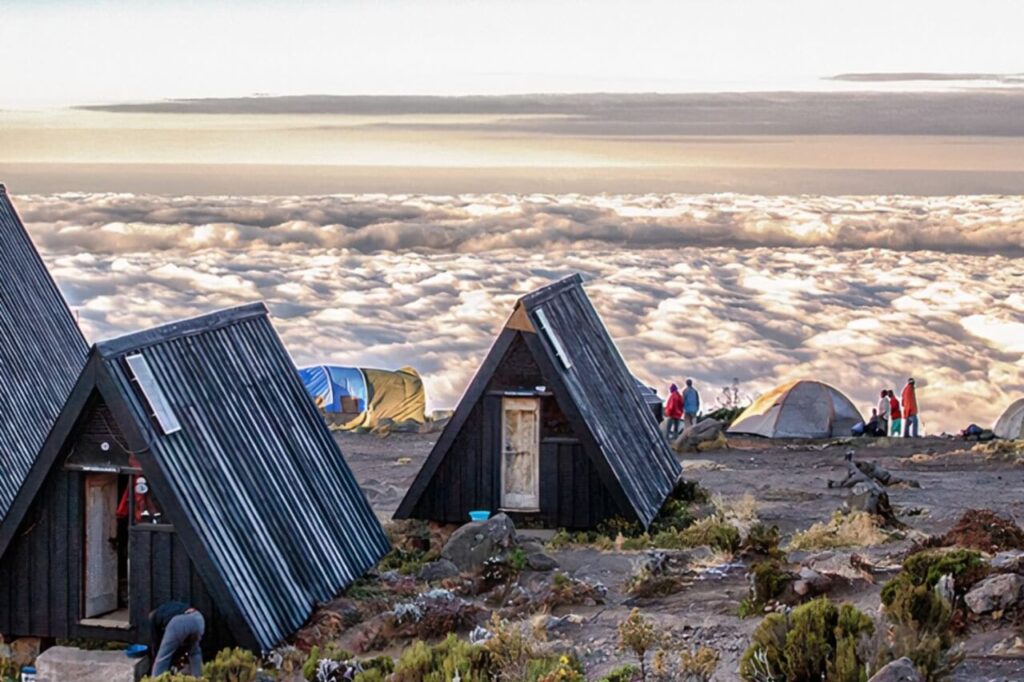
After three to four hours, you reach Mandara Hut, a cluster of A-frame huts in a forest clearing. This is the first overnight stop for Marangu climbers. It is a good place for lunch and a rest.
Maundi Crater
From Mandara, a short walk of about 15 to 20 minutes leads to Maundi Crater. The crater is grassy and open, with views over the surrounding landscape. On clear days, you may see Kibo’s summit and Mawenzi rising above. The crater is also good for wildflowers and birds.
Descent
The return to Marangu Gate follows the same trail and usually takes two to three hours.
| Stage | Distance | Time | Highlights |
| Marangu Gate to Mandara Hut | About 8 km | 3 to 4 hours | Rainforest, colobus monkeys |
| Mandara Hut to Maundi Crater | Short detour | 15 to 20 minutes | Crater views |
| Return to Marangu Gate | About 8 km | 2 to 3 hours | Downhill through forest |
How Difficult Is the Day Hike?
The day hike is moderate. You gain around 860 metres from the gate to Mandara Hut, mostly on a steady path. Most people with average fitness can complete it comfortably, especially if they walk slowly. Altitude effects are usually mild at these heights, though some people may feel slightly breathless.
| Factor | Details |
| Elevation gain | About 860 m to Mandara |
| Terrain | Forest path, sometimes muddy |
| Fitness | Moderate |
| Technical skills | None required |
| Altitude effects | Usually mild |
Wildlife and Plants
| Wildlife | Notes |
| Black-and-white colobus | Often seen in the canopy |
| Blue monkeys | Common in the forest |
| Turacos | Colourful forest birds |
| Hornbills | Often heard calling |
| Chameleons | Sometimes seen near the path |
The forest is also rich in plants, including giant ferns, moss-covered trees, wild orchids and impatiens flowers.
Costs of a Kilimanjaro Day Hike
| Item | Approx. cost |
| Kilimanjaro National Park conservation fee | US$70 per person per day, plus VAT |
| Guide fee | Included in most packages |
| Transport from Moshi | Included in most packages |
| Typical day hike package | Around US$150 to 300 per person |
Best Time for a Kilimanjaro Day Hike
| Months | Conditions | Notes |
| January to March | Dry, warm | Excellent views |
| June to October | Dry, cooler | Excellent hiking conditions |
| April to May | Long rains | Muddy trails, lush forest |
| November | Short rains | Some showers |
| December | Drying | Good conditions |
The forest can be wet at any time of year, so bring rain gear.
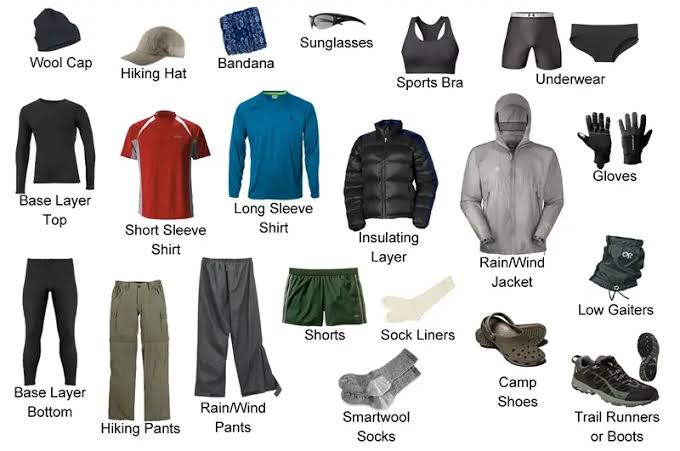
What to Bring
- Comfortable hiking shoes or boots
- Light rain jacket
- Warm layer for Mandara and Maundi Crater
- Hat and sunscreen
- Two litres of water
- Packed lunch or snacks (often provided)
- Camera and binoculars
- Small daypack
Other Day Hike Options on Kilimanjaro
| Option | Start | Highlights |
| Mandara Hut and Maundi Crater | Marangu Gate | Rainforest, crater views |
| Machame Gate forest hike | Machame Gate | Dense rainforest walk |
| Shira Plateau day trip | Vehicle access to Shira | High plateau scenery, views of Kibo |
| Village and coffee walks | Kilimanjaro foothills | Chagga culture and coffee farms |
Combining the Day Hike With Other Activities
| Activity | Highlights |
| Materuni Waterfalls and coffee tour | Waterfall hike and Chagga coffee |
| Chemka (Kikuletwa) hot springs | Natural swimming pools |
| Moshi town | Markets and local life |
| Arusha National Park | Walking safari and Mount Meru views |
| Northern Tanzania safari | Tarangire, Ngorongoro, Serengeti |
Kilimanjaro Day Hike vs Full Climb
| Factor | Day hike | Full climb |
| Duration | 1 day | 6 to 9 days |
| Highest point | About 2,780 m | 5,895 m |
| Cost | Lower | Much higher |
| Fitness | Moderate | Good |
| Altitude risk | Low | Significant |
| Experience | Rainforest and views | Full range of zones and summit |
Who Should Choose the Day Hike?
The day hike is surprisingly versatile. Safari travellers often add it as a break from long hours in vehicles, enjoying the chance to stretch their legs in cool mountain air. Families with older children appreciate a manageable adventure that still feels significant: walking on Kilimanjaro. Travellers who are curious about a future full climb use the day hike to see the terrain, meet guides and test their footwear. Photographers come for the rainforest light and, on clear days, views towards the summit.
It is also a meaningful option for people who cannot commit to the time, cost or physical demands of a full climb. Standing at Maundi Crater and looking up at Kibo, many day hikers feel a strong connection to the mountain.
The Rainforest Up Close
Kilimanjaro’s montane rainforest is one of the mountain’s most beautiful zones, yet many full-climb trekkers pass through it quickly on their first day. On a day hike, you have time to appreciate it. Giant camphorwood, podocarpus and fig trees tower overhead, draped in moss and old man’s beard lichen. Tree ferns and wild impatiens flowers line the trail. Streams run beside the path, and the air is cool and damp.
Guides often stop to explain medicinal plants, point out chameleons or identify birds by their calls. The forest is an important water catchment for communities below, and walking through it helps you understand the mountain’s role in the region’s ecology.
Combining the Day Hike With Marangu Village
The Marangu area is home to Chagga communities, and many day hike tours include cultural visits before or after the hike. You might visit a local coffee farm, see traditional Chagga houses, explore caves once used for shelter during conflicts or visit small waterfalls near Marangu village. These visits add cultural depth to the day and support local families.
Safety and Comfort Tips
- Walk at a steady pace, especially on the way up.
- Drink water regularly, even in cool forest conditions.
- Carry a light rain jacket, as showers are common in the forest.
- Wear shoes with good grip; paths can be muddy.
- Apply insect repellent and sunscreen.
- Listen to your guide’s advice on timing and weather.
Although altitude effects are usually mild on the day hike, some people may feel slightly breathless near Mandara Hut. Taking breaks and walking slowly usually helps.
Day Hike Itinerary
| Time | Activity |
| 7:00 a.m. | Pickup from Moshi |
| 8:00 a.m. | Arrive at Marangu Gate, registration |
| 8:30 a.m. | Begin hike through the rainforest |
| 11:30 a.m. | Arrive at Mandara Hut, lunch |
| 12:30 p.m. | Walk to Maundi Crater |
| 1:15 p.m. | Begin descent |
| 3:30 p.m. | Return to Marangu Gate |
| 4:30 p.m. | Arrive back in Moshi |
Why the Day Hike Is Worth It
Many travellers wonder if a day hike on Kilimanjaro is worthwhile if they are not aiming for the summit. Those who do it usually say yes. Walking on the mountain, even only its lower slopes, gives a strong sense of Kilimanjaro’s scale and beauty. The rainforest is rich and atmospheric, the guides share fascinating stories and reaching Maundi Crater feels like a real achievement. For many, it becomes one of the most memorable days of their Tanzania trip.
Kilimanjaro Day Hike for Families
Families often choose the day hike as a shared adventure. Children enjoy spotting monkeys, crossing streams and reaching Mandara Hut, while parents appreciate a manageable walk that still feels meaningful. Plan plenty of snack breaks, keep a steady pace and bring layers for everyone. Guides are used to walking with children and often share stories and games along the way. Check age guidelines with your operator, as park rules can vary.
Frequently Asked Questions About the Kilimanjaro Day Hike
How long is the Kilimanjaro day hike?
Usually five to seven hours round trip.
Do I need a guide?
Yes. All hikes in Kilimanjaro National Park require a licensed guide.
Can I see the summit?
On clear days, you may see Kibo from Maundi Crater.
Is the day hike suitable for children?
Older children with reasonable fitness can usually manage it. Check with your operator.
What wildlife can I see?
Black-and-white colobus, blue monkeys and many forest birds.
Do I need special equipment?
No. Comfortable shoes, rain gear and warm layers are enough.
Can I do the day hike from Arusha?
Yes, but it involves a longer drive. Staying in Moshi or Marangu is more convenient.
Is the day hike worth it if I am not climbing?
Yes. It is a beautiful forest walk and the best way to experience Kilimanjaro in a single day.
How fit do I need to be for the day hike?
Moderate fitness is enough. Most people who walk regularly can complete it at a steady pace.
Do I need to book in advance?
Booking at least a few days ahead allows operators to arrange park permits, guides and transport.
Can I stay overnight at Mandara Hut?
Overnight stays are normally for climbers on the Marangu Route. Day hikers return to Marangu Gate.
What if it rains?
The hike usually goes ahead. A rain jacket and good shoes keep you comfortable in the forest.