First Safari vs Repeat Safari: How to Plan Differently
First Safari vs Repeat Safari; A first-time safari traveller and a returning one are, honestly, planning two different trips, even if they end up in the exact same country. First-timers want the iconic sightings, lion, elephant, the Great Migration, the bucket-list photographs that match the Africa they’ve imagined for years.
Returning travellers already have those sightings in memory, they know what a lion looks like mid-kill, they’ve photographed the wildebeest crossing, and now they want something genuinely different: deeper, more intimate, and considerably less predictable than their first trip.
Understanding which category you fall into, and planning accordingly, matters more than most generic safari advice acknowledges. This guide covers exactly how the two trips should differ.
Why First-Timers Should Genuinely Choose Peak Season
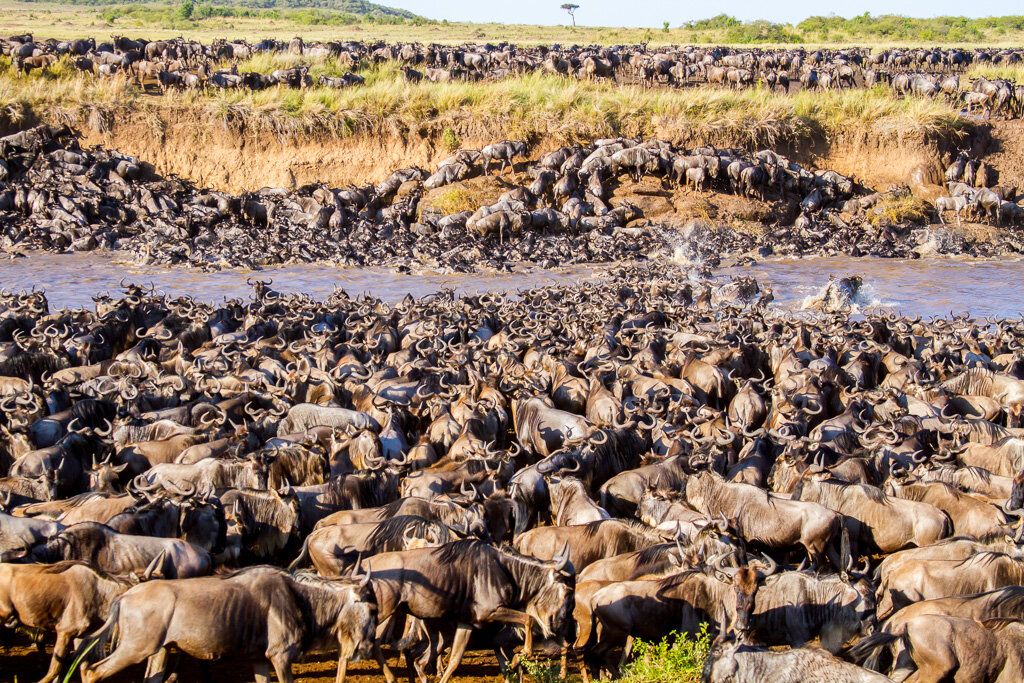
For a first safari, peak season travel is worth the crowds and higher prices. Dry season conditions funnel animals toward remaining water sources, maximizing sightings per hour, and the Great Migration, running roughly July through October, is the world’s greatest wildlife event, one that shouldn’t be missed on a first trip if your travel window genuinely allows it.
Camps also run at full service during peak season, every staff member, every activity, every menu item operating as intended, giving first-timers the complete, polished experience rather than a scaled-back off-season version.
There’s a further, genuinely underappreciated benefit to peak season crowds specifically for first-timers: when guides cluster around a sighting, it’s because something significant is happening, and new safari-goers learn to read and follow this cue, a skill that becomes second nature on later trips but genuinely needs to be learned somewhere.
Why First-Timers Should Prioritize Reliable Destinations Over Exotic Ones
The smartest first-safari choice isn’t the most exotic-sounding destination, it’s the one delivering reliable wildlife sightings, solid infrastructure, sensible costs, and low-stress logistics. Destinations that consistently stand out for first-timers do so because they remove much of the guesswork, offering high odds of seeing iconic wildlife while keeping travel logistics straightforward and costs predictable, rather than because they’re the most famous name on a bucket list.
What Genuinely Changes on a Repeat Safari
A second safari is rarely about seeing more, it’s about experiencing the wilderness differently. Returning travellers can genuinely slow down, spending quality time in the bush rather than racing between headline sightings, and priorities shift toward exploring new regions and appreciating experiences that simply can’t be planned or predicted in advance. This shift in focus consistently makes a repeat safari feel more rewarding than a first visit, even though the underlying wildlife hasn’t fundamentally changed.
Shoulder Season Genuinely Suits Repeat Travellers Better
Where first-timers benefit from peak season’s concentrated wildlife and full camp operations, returning travellers genuinely benefit more from shoulder season, October, November, and March delivering excellent wildlife with considerably fewer vehicles at each sighting. Having already secured the iconic photographs and encounters on a first trip, repeat visitors can trade a small amount of predictability for a genuinely quieter, more personal experience.
Exploring Different Regions Within the Same Country
Repeat visitors increasingly look toward less-visited regions within a country they’ve already explored rather than defaulting to the same famous areas twice.
In Botswana specifically, Khwai, Moremi, the Central Kalahari, and the Makgadikgadi Pans each offer a genuinely distinct ecosystem and character, lush waterways against arid desert landscapes, giving a second visit real, substantive variety rather than a repeat of the same experience.
Prioritizing Specific Species or Behaviours Over General Sightings
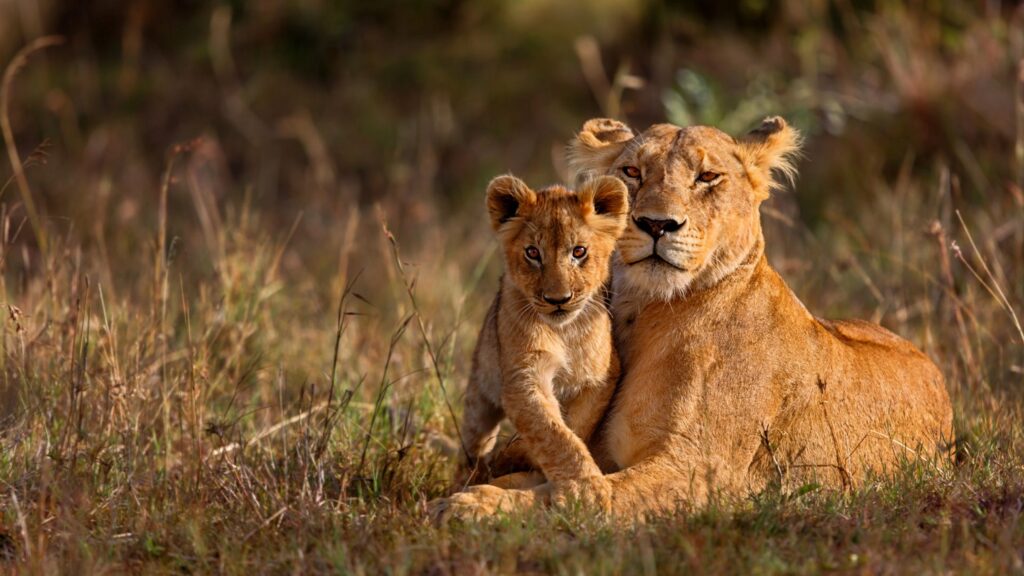
First-timers typically arrive with a general wish list, Big Five, a mokoro trip, elephant herds at a watering hole. Returning travellers often narrow their focus considerably, chasing a specific predator behaviour, a particular bird species, or the reputation of a specific regional population, the Okavango Delta’s notably large, formidable lions, for instance, known for a size and behaviour that sets them apart from other lion populations across the continent.
This kind of specialized targeting genuinely rewards prior safari experience, since a first-timer often lacks the reference point to appreciate why a specific sighting matters more than a general one.
Trying a Different Safari Style Entirely
A repeat trip is the natural moment to try an activity a first safari didn’t include: a walking safari, a night drive, a private conservancy with off-road access, or even primate trekking if your first trip focused purely on classic savanna game drives.
Since you’re no longer building your entire trip around securing the iconic first-timer photographs, there’s genuine room to prioritize a style of safari that simply wouldn’t have suited a first visit’s more conventional expectation.
Quick Comparison: Planning Priorities by Experience Level
| Factor | First-Time Safari | Repeat Safari |
| Best season | Peak season (concentrated wildlife, full service) | Shoulder season (fewer crowds, more intimate) |
| Destination choice | Reliable, well-known, low-logistics-risk | Less-visited regions, new ecosystems |
| Wildlife focus | General Big Five, iconic sightings | Specific species, behaviour, or population |
| Pace | Structured, activity-dense | Slower, more reflective |
| Safari style | Classic vehicle game drives | Walking safaris, night drives, off-road conservancies |
The One Thing That Doesn’t Change
Regardless of whether it’s your first trip or your fifth, professional guiding remains genuinely essential to a good outcome. Experienced guides transform a simple game drive into an educational, meaningful journey, tracking animals, explaining behavior and ecosystem context, and making every sighting considerably richer than it would be without that expertise.
This is the one area where first-timers and veterans alike should refuse to compromise, regardless of how differently the rest of the trip is planned.
Frequently Asked Questions
Should first-time safari travellers go during peak season?
Generally yes. Peak season delivers the most concentrated wildlife viewing, coincides with the Great Migration, and ensures camps operate at full service, all valuable for a first, bucket-list-focused trip.
Why do returning travellers prefer shoulder season?
Having already secured iconic first-trip sightings, repeat travellers often value a quieter, more intimate experience over concentrated wildlife, and shoulder season (October, November, March) delivers excellent viewing with considerably fewer vehicles.
What should a repeat safari focus on that a first safari doesn’t?
Specific species, behaviors, or regional wildlife populations; less-visited regions within a familiar country; and different safari styles like walking safaris or night drives, rather than general Big Five sightings.
Is guiding quality less important on a repeat safari?
No, it remains equally essential regardless of experience level. Professional guides transform sightings into meaningful, educational encounters on every trip, first or repeat.
Should I visit the same country twice, or a new one, for my second safari?
Either can work well. Returning to a familiar country lets you explore genuinely different regions and ecosystems you missed the first time, while a new country offers an entirely fresh landscape and species list.