What Are The Cheapest Months To Visit Kenya?
What Are The Cheapest Months To Visit Kenya? Kenya has two rainy seasons and two dry seasons, and the pricing calendar for safari lodges and tour operators follows these seasons with reasonable predictability. Understanding the pattern is the foundation of smart budget planning for a Kenya trip.
The long dry season runs from July through October and is the peak safari season. Park entry fees, lodge rates, and tour package prices are at their highest. The Maasai Mara charges non-residents approximately USD 200 per adult per day from July through December, compared to USD 100 from January through June. Luxury lodge rates in the Mara during August can reach USD 1,500 to USD 2,000 per person per night.
Demand outstrips supply for the best camps and lodges, and booking six to nine months in advance is standard advice for anyone wanting specific properties.
The short dry season from January through February is the secondary peak, with prices somewhat lower than the July to October maximum but still meaningfully higher than the rainy season periods. Wildlife viewing is excellent, baby animals appear across the parks, and the parks are significantly quieter than August. January and February represent strong value for travellers who can avoid the July to October premium but still want dry season conditions.
The long rains run from late March through May, and this is when prices drop most sharply. April is the wettest month in Kenya and the cheapest. May continues the rain but sees some improvement in the second half of the month. Lodge rates fall by thirty to fifty percent compared to peak. Some camps close for maintenance and refurbishment during April and May, reducing availability but also concentrating the properties that remain open on their serious off-season clientele rather than mass-market packages.
The short rains arrive in November and run through to December. November is the second cheapest month for a Kenya safari, and it offers a compelling combination of lower prices and still-reasonable wildlife viewing. December begins to creep back toward holiday pricing as Christmas bookings increase in the second half of the month.
| Month | Season | Lodge Price Level | Wildlife Viewing | Notes |
| January | Dry shoulder | Moderate | Excellent | Baby animals, good value |
| February | Dry shoulder | Moderate | Excellent | Best birding conditions |
| March | Long rains starting | Low to Moderate | Good | Prices dropping |
| April | Long rains peak | Lowest | Moderate | Cheapest month in Kenya |
| May | Long rains ending | Low | Good | Rains clearing by late May |
| June | Drying out | Moderate | Very Good | Value window before peak |
| July | Peak dry season | Highest | Outstanding | Migration arrives in Mara |
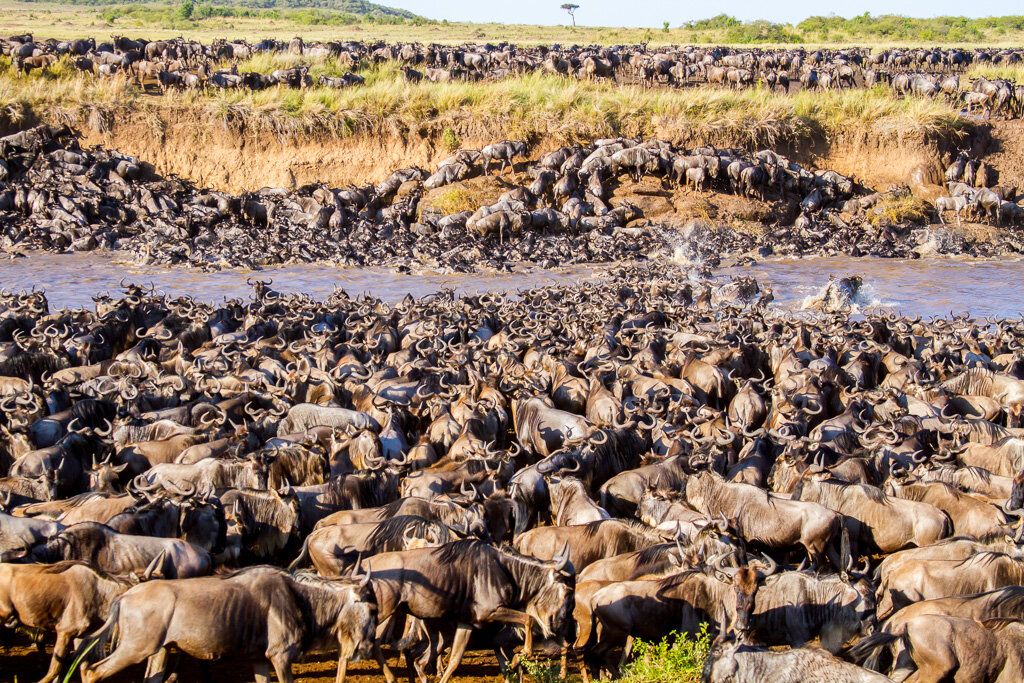
| August | Peak dry season | Highest | Outstanding | Peak migration crossings |
| September | Peak dry season | High | Outstanding | Migration continues |
| October | Transitional | High to Moderate | Very Good | Migration moving south |
| November | Short rains | Low to Moderate | Good to Very Good | Second cheapest month |
| December | Short rains then dry | Moderate to High | Very Good | Rises late December |
April and May: The Cheapest Months in Kenya
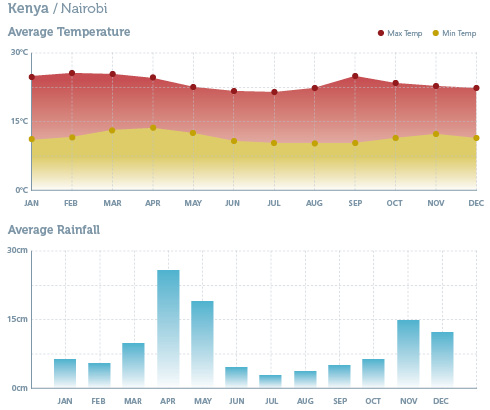
April is unambiguously the cheapest month to visit Kenya for a safari. Park entry fees are at their low season rates. Lodge prices drop to their floor for the year. International flights to Nairobi in April are consistently cheaper than in peak months. And the combination of these factors means a Kenya safari in April can cost forty to fifty percent less than the same itinerary in August.
The practical reality of April in Kenya’s parks deserves an honest description. Rain comes in the afternoon and sometimes in the evening, and it comes with genuine force. The long grass that has grown since the previous dry season means that wildlife, while present, is harder to spot than in July when the grass has been grazed down. Muddy roads in some areas require genuine 4×4 capability and occasionally delay transfers. Some remote camps and lodges close entirely in April and early May.
What April also delivers is the Maasai Mara in its most cinematically beautiful state: emerald green, with dramatic storm clouds building over the escarpment in the afternoon, the rivers running full, and the air carrying a quality of freshness that the dry season cannot produce.
Newborn animals appear across the plains. Birds, including the Eurasian migrants that winter in East Africa and are still present before their northern migration begins, are in extraordinary numbers. And the park feels genuinely wild in a way that August, with its convoy of vehicles at every significant sighting, simply does not.
What April Costs in Real Terms
A mid-range private Kenya safari in April typically costs between USD 250 and USD 400 per person per day, inclusive of accommodation, meals, park fees, and game drives. Compare this to the same safari in August at USD 450 to USD 700 per person per day. The park fees themselves reflect the season: the Maasai Mara charges non-residents USD 100 per adult per day from January through June compared to USD 200 from July through December. A couple on a seven-day April safari saves on average USD 2,000 to USD 4,000 compared to the same trip in August before accommodation price differences are factored in.
November: The Second-Best Value Month in Kenya
November occupies a particularly interesting position in the Kenya safari calendar. The Great Migration has returned to Tanzania’s Serengeti for the calving season, so the Mara River crossings are finished. But the wildlife that remains in the Maasai Mara for the rest of the year is extraordinary by any standard outside that single context: the highest lion density in Africa, cheetah on the open plains, leopard in the riverine forest, elephant, buffalo, giraffe, and the full supporting cast of the savannah ecosystem. None of this disappears in November. The wildebeest leave. Everything else stays.
Lodge prices in November are meaningfully lower than peak season, typically thirty to forty percent below August rates. The short rains arrive in November and they behave very differently from the long rains of April: they tend to come in the afternoon and evening rather than throughout the day, leaving mornings clear and crisp and ideal for game drives. Photography in November benefits from the clouds, the post-rain light, and the green landscape in ways that the dusty golden August Mara does not produce.
International flights to Nairobi in November are consistently among the cheapest of the year. The airport is quieter than in July and August. Hotels in Nairobi itself are at lower prices. The combination of lower entry costs at every level makes November a genuinely strong choice for value-conscious travelers who want good wildlife viewing without peak season expense.
The Wet Season Advantage: What Budget Travelers Gain
The phrase green season has been adopted by Kenya’s tourism industry as a reframing of the rainy season, and while the marketing motivation is obvious, the underlying case has genuine merit.
Photography
Professional wildlife photographers often prefer the green season for specific images that are impossible or unattractive in the dry season. Animals against lush green backdrops. Dramatic storm light over the savannah. The vivid colours of wetland birds against fresh vegetation. Morning mist over the Mara River. Dew on a spider’s web at dawn. The dust-free air of a post-rain morning that produces clarity photographs in August cannot match. Many of the most striking Kenya wildlife photographs in print were taken in the green season by photographers who understood what the light was doing.
Fewer Vehicles at Sightings
In August, a lion at a kill in the central Maasai Mara can attract thirty or more vehicles within minutes of the first radio call going out. In April or November, the same sighting might have three or four vehicles. The experiential difference between these two scenarios is enormous. The silence of a game drive with few other vehicles, the ability to stay at a sighting as long as you want without other vehicles obstructing the view or the guide feeling pressure to move on, and the sense of having a private wildlife encounter in a national park rather than watching from a parking lot all contribute to a quality of experience that many visitors consider superior to the peak season alternative despite the weather trade-off.
Excellent Bird Watching
November through April is when Kenya’s resident bird species are joined by Eurasian migrants wintering in East Africa, and the combined list is extraordinary. Over one thousand species have been recorded in Kenya, and the green season months are when bird diversity in the national parks and the Rift Valley soda lakes peaks. Lake Nakuru in November, when the flamingos that congregate around its alkaline shores are joined by migrant waders and waterfowl, is a birding spectacle that peak season game drive tourists drive past without stopping while serious birders consider it one of the finest winter birding sites on the continent.
Parks that work Best in the Wet Season
Amboseli National Park
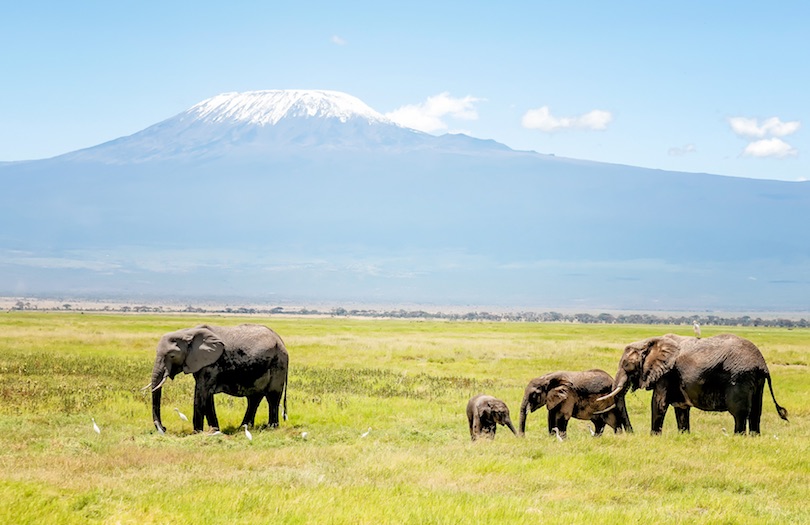
Amboseli functions better in the green season than most Kenya parks because its ecology is driven by the permanent water from Kilimanjaro’s snowmelt rather than seasonal rainfall. Elephant herds are present year-round regardless of season and the numbers do not change significantly with the rains. Kilimanjaro is often clearer after rain, the famous Amboseli morning photographs of elephants against the mountain are most likely to be possible in the early morning after an overnight shower has settled the dust and left the air clear. Amboseli is also accessible year-round by road from Nairobi, with no significant mud problems on the main approach routes.
Lake Naivasha and Lake Nakuru
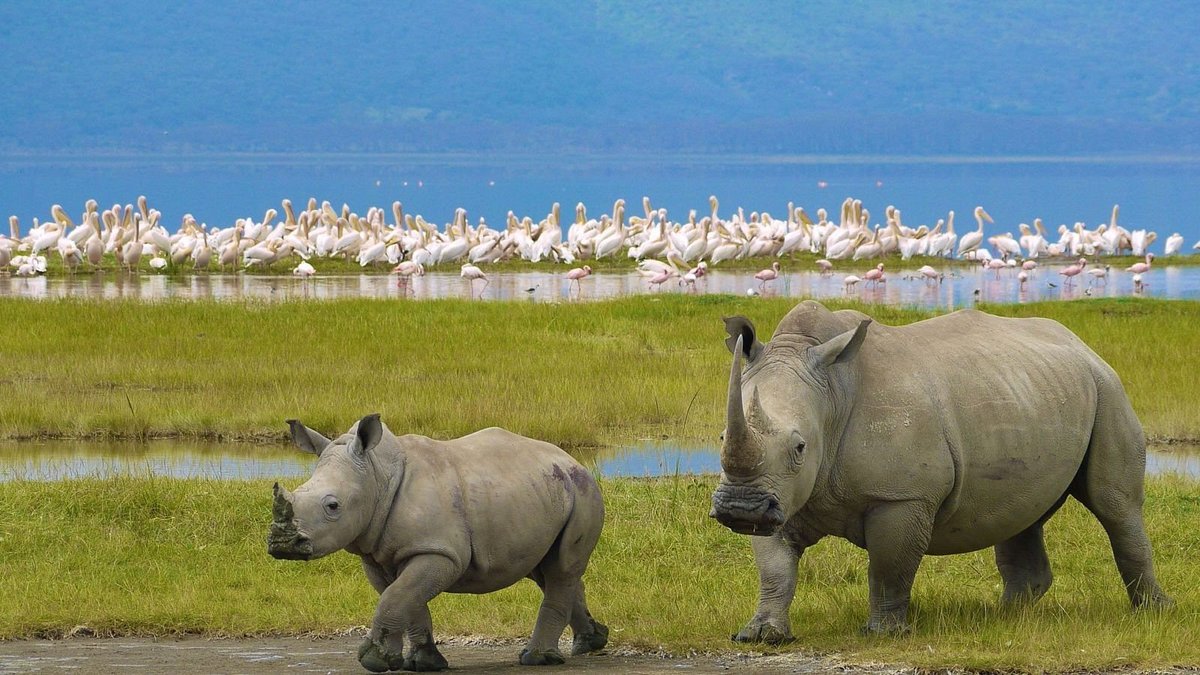
Both Rift Valley lakes are excellent year-round but actively better in the green season for birding and photography. The flamingos at Nakuru respond to seasonal changes in the lake’s alkalinity in ways that concentrate them more densely at certain times of year, and the green season months often see the most photogenic concentrations. Lake Naivasha’s hippos are present regardless of season, and the boat trips on the lake in November are uncrowded and genuinely peaceful.
Samburu National Reserve
Samburu is drier than the southern parks and the seasonal rainfall patterns affect it differently. The park is accessible year-round and the Samburu Special Five species, including the reticulated giraffe, Grevy’s zebra, and gerenuk, are resident year-round and equally visible in the green season as in the dry. Samburu in November is excellent and significantly cheaper than in August.
Tips for a Budget Green Season Kenya Safari
Book accommodation early even in the low season, because the properties that remain open and are worth staying in can still fill up, particularly around Easter and for any long weekend that falls within the green season window.
Pack proper waterproof clothing, including a rain jacket and waterproof boots, and keep camera equipment protected with weather-resistant bags or dry sacks. The afternoon rains are genuinely heavy and electronics need protection.
Choose a reliable 4×4 operator rather than attempting to save money by hiring a basic vehicle. Green season roads in some areas require proper ground clearance and experienced driving. The difference between a competent driver-guide who knows which routes are passable and an inexperienced one who does not is significant.
Accept that some specific sightings are harder in the green season. Dense vegetation means that predators move and hunt more effectively out of view. The trade-off is that the hunt is more likely to actually happen during the cooler conditions of the wet season, so when you do get a predator sighting it tends to involve more movement and behavior than a July lion sleeping under an acacia tree.