Guided Walking Safari vs Vehicle Safari: Which Should You Try?
Guided Walking Safari vs Vehicle Safari; A vehicle-based game drive is the default safari activity across virtually all of East Africa, and for good reason: it’s safe, comfortable, covers significant ground, and works for travellers of any fitness level or age.
A guided walking safari offers a genuinely different mode of engagement with the same landscape, slower, more physically demanding, and considerably more intimate, revealing details of tracks, vegetation and animal behaviour that a vehicle passing at speed simply doesn’t register.
Neither is objectively better; they deliver different experiences that suit different priorities and, in some cases, work best combined within the same trip.
This guide compares guided walking safaris and vehicle-based game drives directly: what each actually delivers, the genuine safety and physical considerations of walking specifically, where each is available, and how to decide which suits your specific safari priorities.
What Each Activity Actually Delivers
A vehicle safari lets you cover considerable ground within a single drive, follow a specific sighting for as long as it remains interesting, and observe wildlife, including potentially dangerous species, from the protection and comfort of the vehicle. This makes it the more universally accessible option, suitable for travellers of any age or fitness level, and the more efficient way to maximise the number and variety of animals seen within a fixed time.
A walking safari trades this range and efficiency for depth and immersion. Moving on foot at a genuinely slow pace, following an experienced, armed guide who reads tracks, dung, and vegetation disturbance to interpret what’s happened in the landscape recently, walking safaris reveal a level of ecological detail that’s simply invisible from a moving vehicle.
The trade-off is that you’ll see less overall wildlife, and certainly won’t approach dangerous animals as closely as a vehicle safely can, since walking requires maintaining a respectful, safe distance managed carefully by your guide.
Comparing the Two Experiences in Detail
Wildlife encounter distance and safety protocols differ substantially between the two. In a vehicle, guides can safely approach much closer to potentially dangerous animals, lion, elephant, buffalo, than would ever be appropriate on foot, since the vehicle itself provides genuine protection.
On a walk, an experienced, armed guide manages encounters by maintaining safe distance and reading animal behaviour carefully, meaning walking safaris typically involve viewing dangerous game from further away, if at all, with more emphasis on smaller wildlife, birds, tracks and vegetation.
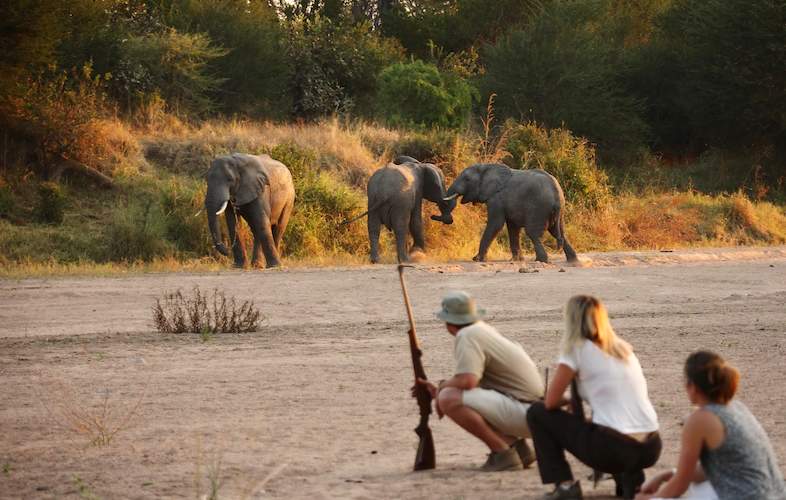
Pace and ground coverage are dramatically different. A vehicle can cover tens of kilometres within a single drive, while a walking safari typically covers only a few kilometres over a similar time period, moving deliberately and stopping frequently to examine specific details. This means walking safaris fundamentally aren’t about maximising sightings the way a game drive is; they’re about the quality of attention paid to whatever is encountered along a much shorter route.
The sensory and experiential difference is significant too. Walking removes the vehicle’s engine noise, allowing genuine appreciation of the bush’s actual soundscape, birdsong, insect activity, distant animal calls, and introduces physical sensations, the actual temperature, the ground underfoot, the specific smell of the vegetation, that a vehicle’s windows and movement partially insulate you from.
Guided Walking Safari vs Vehicle Safari at a Glance
Here is a direct comparison of the two activities across the factors that matter most.
| Factor | Guided Walking Safari | Vehicle Safari |
| Ground covered | A few kilometres over several hours | Tens of kilometres within a single drive |
| Wildlife viewing distance | Greater distance maintained for safety | Can safely approach much closer |
| Ecological detail and immersion | High; tracks, signs, smaller details noticed | Lower; passing landscape at speed |
| Physical demand | Genuine; requires reasonable fitness | Minimal; seated activity |
| Accessibility | Requires reasonable mobility and fitness | Suitable for nearly any age or fitness level |
| Best suited to | Deepening engagement, repeat visitors, curious naturalists | First safaris, families, maximising sightings |
Where Walking Safaris Are Genuinely Available
Not every East African park permits walking safaris, and understanding where this activity is genuinely well-developed matters for planning.
Tanzania’s Southern Circuit (Ruaha and Nyerere)
The region’s most developed walking safari culture, with walking treated as a primary activity rather than an occasional add-on, including genuine multi-day fly-camping options.
Kenya’s Private Conservancies and Laikipia
Walking is generally not permitted within the Masai Mara National Reserve itself, but the surrounding private conservancies, and Laikipia’s ranch-conservancies specifically, offer a well-developed walking programme.
Northern Circuit Parks (Serengeti, Ngorongoro)
Walking is more restricted here, typically limited to shorter, more controlled outings in specific areas rather than the extended format found in Tanzania’s south or Kenya’s conservancies.
Gorilla and Chimp Trekking Regions
While technically walking activities, these are purpose-driven toward reaching a specific primate encounter rather than open wildlife walking in the way Ruaha or Laikipia’s programmes are structured.
Best Time for Each Activity
Vehicle safaris are workable year-round, though the dry season offers the strongest wildlife concentration. Walking safaris are particularly season-dependent given trail conditions, with the dry season considerably more favourable given firmer, more comfortable underfoot conditions.
| Season | Months | Walking Safari Conditions | Vehicle Safari Conditions |
| Long dry season | June – October | Firmest, most comfortable walking conditions | Best overall wildlife viewing |
| Short dry season | December – February | Good walking conditions | Strong viewing |
| Rainy seasons | March-May, November | More difficult; some operators reduce walking programmes | Workable, though wildlife more dispersed |
Cost Comparison Between the Two Activities
Walking safaris typically cost more than standard vehicle game drives, reflecting the specialist guiding and lower guest-to-guide ratio the activity requires for safety.
Standard vehicle game drives — Included in most standard safari daily costs
The baseline safari activity, generally included as part of a standard lodge or camp stay without additional specific fees.
Guided walking safari as an add-on — Moderate additional cost
A single walking outing added to an otherwise vehicle-based stay typically carries a modest additional activity fee.
Multi-day fly-camping walking safari — Premium; specialist arrangement
The most immersive walking format, available primarily in Tanzania’s southern circuit, represents a significant standalone cost given the specialist logistics involved.
Accommodation Considerations for Each Activity Type
Camps specifically built around walking safaris deliver a meaningfully deeper experience than properties offering it as an occasional add-on.
| Activity Focus | Recommended Accommodation Type |
| Primarily vehicle-based safari | Standard safari lodges and camps across any major park |
| Walking safari as a genuine focus | Camps in Ruaha, Nyerere or Laikipia specifically built around walking programmes |
| Combining both activities | Properties offering both vehicle and walking options within the same stay |
What Each Activity Day Actually Involves
Understanding the practical structure of each activity type helps set accurate expectations.
A Typical Vehicle Game Drive
Morning and afternoon drives structured around the cooler, most wildlife-active periods, typically three to four hours each, covering significant ground and following whatever sightings develop along the way.
A Typical Guided Walk
Beginning with a safety briefing covering wildlife encounter protocols and hand signals, then moving at a genuinely slow pace, often two to four kilometres per hour, with frequent stops to examine tracks and signs, led by an armed guide often assisted by a tracker.
Combining Both Within a Single Stay
Many camps offer both activities, allowing a morning walk followed by an afternoon vehicle drive, or alternating days between the two, giving genuine variety within a single stay rather than requiring an exclusive choice.
| Activity | Typical Duration | Physical Demand |
| Vehicle game drive | 3-4 hours per drive | Minimal; seated activity |
| Guided walking safari | 2-4 hours | Moderate; genuine walking on varied terrain |
| Multi-day fly-camp walking | 3-7 days | Sustained; requires good fitness across consecutive days |
Deciding Which to Prioritise, or Combining Both
For a first safari, prioritising vehicle-based game drives makes sense given the need to maximise wildlife-viewing variety and the lower physical demand. For a second or subsequent safari, or for travellers specifically drawn to a slower, more immersive engagement with the landscape, adding a walking component, or building an entire trip around Tanzania’s southern circuit walking culture, offers a genuinely different and complementary experience.
Many experienced travellers find that combining both within a single stay, using vehicle drives for broader wildlife viewing and a dedicated walk for deeper ecological engagement, delivers the best of both approaches within one trip.
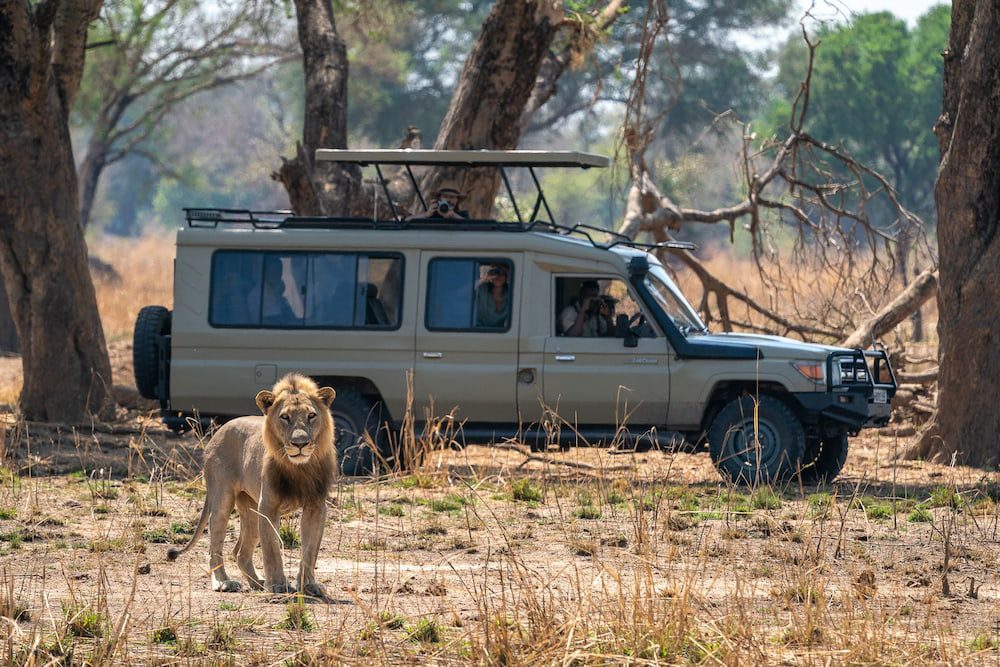
It’s also worth thinking about how the two activities suit different moods within the same trip, rather than treating the decision as fixed for an entire itinerary. A vehicle drive on a morning when you specifically want to cover ground and chase a reported sighting, a lion kill, a leopard in a tree, makes sense given the activity’s strength at exactly that kind of pursuit.
A walk on a quieter afternoon, when there’s no specific target sighting and the goal is simply to be present in the landscape, plays to walking’s particular strength instead. Thinking about which mindset you’re in on a given day, rather than committing to one activity type for the whole trip in advance, often produces a more satisfying overall balance than a rigid schedule decided before arrival.
Recommendations by Traveller Priority
Here is a direct guide to which activity best matches specific traveller priorities.
| Priority | Recommended Activity | Why |
| First safari, maximising wildlife variety | Vehicle safari | Covers more ground and safely approaches more species |
| Deeper ecological engagement, repeat visitor | Guided walking safari | Reveals detail invisible from a moving vehicle |
| Families with young children or mobility considerations | Vehicle safari | More accessible and comfortable for a wider range of travellers |
| Wanting the full range within one trip | Combine both | Delivers breadth and depth within a single stay |
Frequently Asked Questions
Is a walking safari safe given the presence of dangerous animals?
Yes, when led by a properly trained, armed guide who manages distance and reads animal behaviour carefully. Walking safaris maintain considerably greater distance from potentially dangerous game than a vehicle safely can, which is part of how the activity manages this risk.
Will I see fewer animals on a walking safari than a game drive?
Generally yes, given the much smaller area covered on foot compared with a vehicle. Walking safaris prioritise depth of engagement and ecological detail over the breadth of sightings a game drive delivers.
Can I do both a walking safari and vehicle game drives in the same trip?
Yes, and many camps specifically offer both, allowing genuine variety within a single stay rather than requiring an exclusive choice between the two.
Where is the best place for a walking safari specifically?
Tanzania’s Ruaha national park and Nyerere National Parks offer the region’s most developed walking safari culture, including multi-day fly-camping options, followed by Kenya’s private conservancies and Laikipia’s ranch-conservancy system.