Things to See and Do in Arusha
Arusha is located at the base of Mount Meru, roughly an hour’s drive from Kilimanjaro International Airport, and functions as the operational heart of the northern safari circuit. Serengeti National Park, Ngorongoro Crater, Tarangire, and Lake Manyara all radiate outward from here, and it is where flights, vehicles, and guides are coordinated before you head into the bush.
That means your itinerary almost certainly includes at least one Arusha night whether you plan around it or not — the only real question is whether you use that time well.
This guide covers what is worth doing in and around Arusha: how much time to set aside, which cultural sites and markets are worth a stop, which day trips reward the drive, and how to fit it all around the practical business of getting your safari underway.
How Much Time Should You Budget in Arusha?
Most itineraries default to a single overnight in Arusha, and that default exists for logistical reasons rather than travel-planning ones. Flights into Kilimanjaro International Airport often land in the afternoon or evening, and safari vehicles typically depart the following morning, which leaves almost no daylight for exploring. That single detail is the biggest reason travelers finish their trip feeling like they missed Arusha entirely. We generally recommend building in more time than the default, scaled to your travel style.
Half a day (a spare morning or an afternoon after arrival) is enough for one anchor activity — a guided walk through the Cultural Heritage Centre and Maasai Market, for example, or a two-to-three-hour coffee tour at a nearby estate. This is the right amount of time if your itinerary is tightly built around park days and you would rather not trade safari time for city time.
A full day opens up a genuine day trip. Arusha National Park is the standout choice: giraffe, buffalo, and flamingos on the Momella Lakes, with views of both Meru and Kilimanjaro on a clear day. A full day also lets you pair two shorter activities, such as a market visit in the morning and a relaxed lakeside lunch at Lake Duluti in the afternoon.
Two or more days is worth considering if you want to climb Mount Meru (a three-to-four-day round trip), if you are using Arusha to acclimatize before a Kilimanjaro climb, or if you simply prefer a slower start to your trip. Families with young children and travelers arriving from long-haul flights also benefit from an extra day here rather than heading straight into the bush.
Our standing advice: build at least one full day into your itinerary rather than treating Arusha purely as a transit stop. Against the total length of a two-week safari, one extra day costs very little and meaningfully reduces the feeling of being rushed at the start of the trip.
Top Things to Do in Arusha at a Glance
The table below is a working overview to compare against your own schedule and interests before reading the fuller descriptions that follow. Cost tiers are per person: $ under $20, $$ $20–50, $$$ $50–150, $$$$ $150 and up (multi-day).
| Activity | Time Needed | Cost Tier | Best For |
| Cultural Heritage Centre | 1–2 hours | Free entry ($ for purchases) | Culture lovers, souvenir shoppers |
| Maasai Market (Mt Meru Curios & Crafts Market) | 1–1.5 hours | $ (bargaining expected) | First-time visitors, gift shopping |
| Tanzanite Experience Museum | 45 min–1 hour | Free tour ($$–$$$ if buying) | Jewelry buyers, curious first-timers |
| Arusha Natural History Museum | 1 hour | $ | History buffs, families |
| Shanga workshop | 1–1.5 hours | Free entry ($ at café/shop) | Families, socially-minded travelers |
| Coffee lodge or farm tour | 2–3 hours | $$ | Coffee lovers, half-day travelers |
| Lake Duluti walk or canoe | 2–3 hours | $ (canoe hire) or free | Nature lovers, families |
| Arusha National Park day trip | Full day (6–8 hrs) | $$$ (park fees + vehicle) | Wildlife lovers, safari warm-up |
| Mount Meru day hike (lower slopes) | Full day (~7 hrs) | $$$ | Active travelers, hikers |
| Mount Meru summit trek | 3–4 days | $$$$ | Serious trekkers with extra time |
| Materuni Waterfalls & coffee tour | Half to full day | $$ | Active travelers wanting nature + culture |
| Dinner at a destination restaurant | 1.5–2 hours | $$–$$$ | A relaxed first or last night |
Cultural Heritage, Museums, and Craft Workshops
Museums are an easy thing to skip after a long flight, but they earn their place here for a specific reason: they give context. A morning at Arusha’s cultural sites explains the tribal diversity, the gemstone economy, and the colonial history that shape the country you are about to spend a week driving through, and that context tends to make the safari itself more meaningful rather than less.
The Cultural Heritage Centre, on the road toward Dodoma just outside the town center, is the most complete stop if you only have time for one. It combines a large art gallery — often described as the biggest of its kind in East Africa — with a market hall selling wood carvings, Tinga Tinga paintings, batik textiles, and jewelry, plus a jewelry showroom and a restaurant.
It is set up for browsing rather than hard bargaining; prices are largely fixed, which makes it a lower-pressure alternative to the open markets for travelers who find haggling stressful. Budget one to two hours, more if you plan to buy art or gemstones to ship home.
The Arusha Natural History Museum, housed in a former German colonial boma in the town center, is smaller and more academic — worthwhile if you are traveling with school-age children or have a personal interest in East African history. Exhibits cover human origins and fossil finds from the region, the German and British colonial periods, and the local insect and wildlife record. An hour is plenty.
The Tanzanite Experience walks visitors through the story of tanzanite, the violet-blue gemstone found only in a small area near Mount Kilimanjaro. The guided tour includes a replica mine shaft and explains how the stone is mined, cut, and graded, which is genuinely useful information if you are considering buying tanzanite anywhere in Tanzania — counterfeit and low-quality stones circulate outside reputable dealers, so understanding the grading system before you shop protects you from a bad purchase. Every stone sold on-site comes with a laboratory certificate.
Shanga operates out of a converted coffee factory and employs Tanzanians with disabilities as glassblowers, jewelry makers, and weavers, largely working with recycled materials. Visitors can watch the workshops in action, try basic bead crafting themselves, and eat at the on-site café. It is a good stop for families and for travelers who want a souvenir purchase to translate into direct local income rather than a generic gift-shop transaction.
Markets and Shopping: The Maasai Market and Beyond
The Mt Meru Curios & Crafts Market, commonly called the Maasai Market, on Fire Road is the classic Arusha shopping stop, and it rewards a bit of preparation. Expect Maasai beadwork (bracelets and necklaces from around five to twenty dollars), kikoi and kanga fabric, wood carvings, batik and Tinga Tinga-style paintings, and leather sandals.
Bargaining is not just accepted here, it is expected — a reasonable approach is to offer roughly half the seller’s opening price and negotiate from there, staying friendly rather than aggressive. Carry small denominations of Tanzanian shillings, since vendors often cannot break large notes, and expect to spend an hour or more if you enjoy browsing.
If bargaining is not your thing, the Cultural Heritage Centre’s fixed-price market hall covers similar ground with far less friction, at a modestly higher price point. If you enjoy the negotiation itself, the Maasai Market is more fun and generally cheaper. Either way, go with a guide or your safari operator’s recommendation for your first visit — it helps with both fair pricing and navigating the layout.
Coffee Tours and Farm Visits
Tanzania’s Arabica coffee is grown on the volcanic slopes surrounding Arusha, and a farm tour is one of the few activities in the region that combines scenery, hands-on activity, and a product you can actually take home. Most tours run two to three hours and walk you through the full process: picking ripe cherries, pulping, drying, roasting over an open fire, and grinding by hand, ending with a fresh cup brewed on-site.
Estates such as Arusha Coffee Lodge’s plantation tours and several smaller Chagga-run farms near Materuni offer this experience, with prices generally in the twenty-to-forty-dollar range per person.
This is one of the best half-day options for travelers who land in the afternoon and have a free morning before their safari departs, since it requires minimal walking and works well for most fitness levels and ages. Combine it with the Materuni Waterfalls hike, described below, if you want a longer and more active version of the same theme.
Day Trips Worth the Drive
Arusha National Park
Often overlooked in favor of the bigger parks farther west, Arusha National Park deserves a full day on its own. It is compact enough to cover in a single visit, roughly 25–30 km (about 45 minutes) from town, and it is one of the only parks in the northern circuit where walking safaris are permitted alongside game drives, accompanied by an armed ranger.
Expect giraffe, buffalo, warthog, colobus monkeys, and flamingos gathering on the Momella Lakes, plus striking views of both Mount Meru and, on a clear day, Kilimanjaro itself. It does not have significant predator density, which actually makes it a useful soft introduction for families or first-time safari-goers before the bigger parks raise the intensity.
Mount Meru
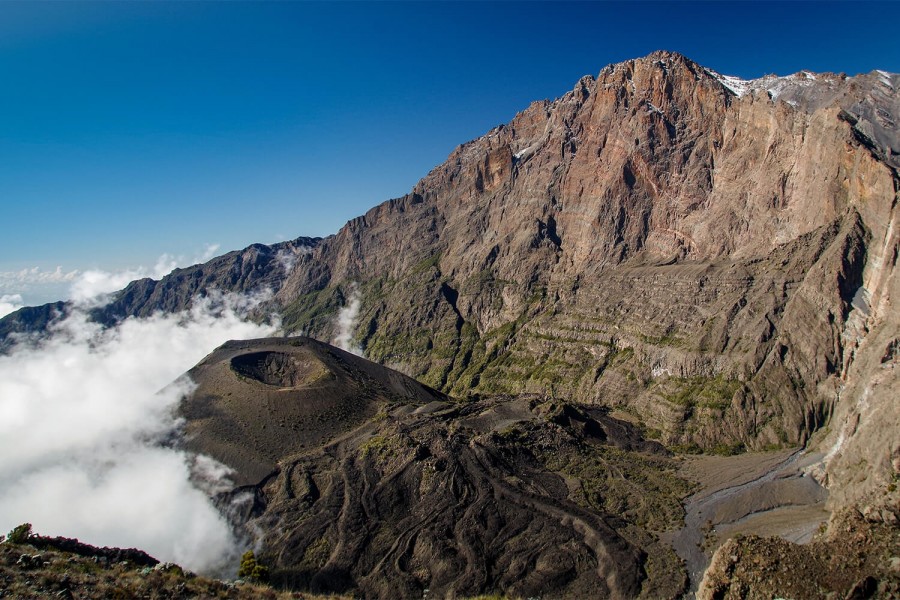
Tanzania’s second-highest peak, at 4,566 meters, rises directly behind Arusha and sits inside Arusha National Park. A one-day hike from Momella Gate takes you through montane forest past Maio Falls and the well-known Arched Fig Tree, climbing from about 1,500 m to roughly 2,500 m and covering around 18 km round trip in six to seven hours a serious but achievable day for anyone in decent hiking condition, and a good acclimatization test if you are also planning to climb Kilimanjaro.
Reaching the true summit is a separate three-to-four-day guided trek with overnight huts, recommended for travelers who have the extra days and want a genuine high-altitude trek without Kilimanjaro’s crowds.
Materuni Waterfalls and Coffee Tour
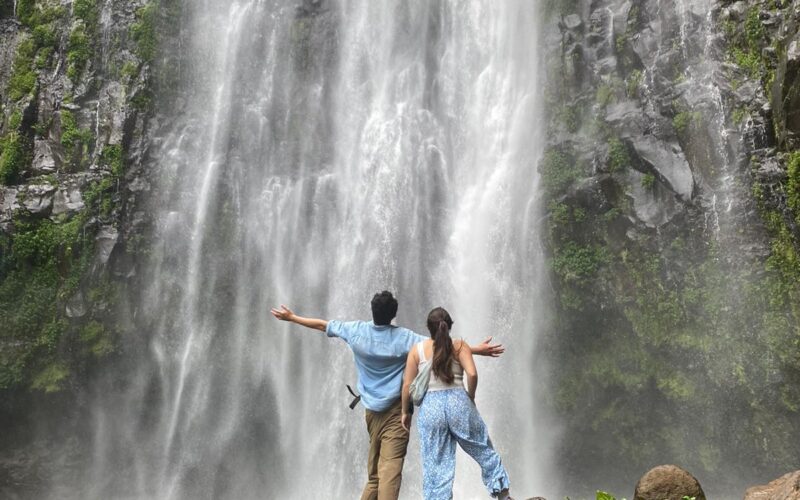
Technically closer to Moshi than Arusha (roughly two hours’ drive from Arusha, forty-five minutes from Moshi), this is still commonly booked as an Arusha day trip and is worth the distance. A short rainforest hike leads to a 90-meter waterfall with a pool suitable for swimming, followed by a coffee-farming demonstration in Materuni village and, on most itineraries, a home-cooked Chagga lunch. Some operators extend the day to include the Kikuletwa hot springs. Wear real shoes, since the trail is often muddy, and bring a swimsuit.
Lake Duluti
For travelers who want scenery without much exertion, Lake Duluti is a volcanic crater lake about fifteen minutes from town, ringed by forest and easily covered on a two-hour walking loop or by canoe. Several lakeside restaurants make it an easy lunch stop, and it pairs naturally with a morning market visit for a relaxed full day.
Where to Eat in Arusha
Arusha’s dining scene has grown well beyond hotel buffets, and a good meal is a reasonable way to spend an evening before or after your safari. Le Patio blends French and Swahili cooking with valley views and is worth booking ahead.
The Grill Room at Arusha Coffee Lodge is the benchmark for a proper final-night dinner, with Swahili-spiced steaks and a serious wine list. For something more casual, Fifi’s serves Tanzanian standards like mishkaki (grilled skewers) alongside international comfort food, and Five Chutneys is a reliable, inexpensive stop for Indian vegetarian food, though it is cash only. If you want a Tanzanian-focused menu in a relaxed setting, the Baobab Restaurant at the African Tulip hotel is a solid choice.
Reserve at least one dinner at a proper sit-down restaurant rather than eating every meal at your hotel. It is a small addition to the trip that makes Arusha feel like a place rather than a waiting room.
Where to Stay in Arusha
Where you stay depends mostly on how you plan to use your Arusha time, and on proximity to the airport versus the town center.
- Near Kilimanjaro Airport: properties like Airport Planet Lodge suit travelers with a late arrival or early departure and little interest in going into town.
- In or near town, mid-range: Rivertrees Country Lodge sits close to both the airport and Arusha National Park, with spacious rooms and a strong breakfast — a practical base if you are doing a day trip to the park.
- Boutique and luxury outside town: Arusha Coffee Lodge and Legendary Lodge sit on working coffee estates a short drive from the center, offering a quieter, greener stay with easy access to an on-site coffee tour.
- Lakeside: properties near Lake Duluti, including the Serena Arusha Hotel, work well if you want a resort-style stopover with easy access to a walk or canoe outing.
- Budget: smaller guesthouses and hostels in town cover the basics for travelers prioritizing park spend over city comfort.
Coordinate this choice with your safari operator, since pickup logistics for your first game-drive morning are usually built around where you are staying.
Frequently Asked Questions
Is Arusha worth visiting, or should I just pass through on the way to the parks?
It is worth at least a half day, and a full day if your schedule allows it. Arusha will not compete with the Serengeti for drama, but a morning or afternoon here — a market visit, a coffee tour, or a stop at the Cultural Heritage Centre — adds context and a change of pace that most travelers appreciate once they are on safari.
How far is Arusha from Kilimanjaro International Airport?
About 50 km, roughly an hour’s drive without heavy traffic. This transfer is typically arranged by your safari operator or hotel.
Is Arusha safe for tourists?
Yes, for travelers taking ordinary precautions: arranged transport after dark, valuables out of sight, and a polite but firm approach with street vendors near markets. It is one of the most visited cities in East Africa for exactly this reason.
Can I visit Arusha National Park and still make my Serengeti departure the same day?
Not comfortably. Arusha National Park deserves its own full day. If your safari itinerary has you departing for the Serengeti or Ngorongoro the morning after arrival, plan the park visit for a different day or build in an extra night.
What currency should I bring, and are cards accepted?
US dollars for safari-related payments and park fees, Tanzanian shillings for markets and everyday spending. Larger hotels and lodges accept cards, but markets, small restaurants, and taxis are cash-based.
Is it better to do a coffee tour or the Materuni Waterfalls trip?
A coffee tour is the lower-effort option — two to three hours, minimal walking, good for a spare morning. Materuni is a half-to-full-day commitment with a rainforest hike and swimming, better suited to travelers who want an active day and do not mind the extra drive time.
How much should I budget per day for activities in Arusha?
A comfortable range is $30–80 per person per day for city-based activities like museums, markets, and coffee tours. Day trips into Arusha National Park or Mount Meru run higher, generally $100–200 per person once park fees, guide, and vehicle costs are included.