How much does a Tanzania safari cost?
How much does a Tanzania safari cost? If you are sitting there looking at your screen and wondering why one website says a Tanzania safari costs two hundred dollars and another says two thousand, you, definitely, are not alone. I have seen people get very frustrated with this.
I have spent a lot of time around the safari business in East Africa, mostly looking at how things work in Uganda, Rwanda, Kenya and Tanzania, and the truth is that Tanzania is a little expensive. Tanzania is a very naturally endowed and beautiful country, but it is not as easily affordable as the other destinations, just to say.
If you are planning your first Tanzanian safari trip, you need to understand that the price you see on a flashy website is not, always, the final amount you will pay. There are so many factors contributing to the total safari cost. It is like an onion. However, some tour operators have tried to cost everything in one package, and these are the prices you would consider expensive in comparison.
Where the cost of the safari actually goes
When you pay a tour operator, they are basically managing four or five different piles of money for you.
The first pile is the government tariffs in terms of park entry fees. Tanzania loves their park fees. Entrance fee to Serengeti or Ngorongoro Conservation Area, you are looking at about eighty three US dollars and seventy one US dollars per person respectively for single entry. If you stay inside the park at a lodge or a camp, there is another fee payable called a concession fee. That is seventy one US dollars
Then there is the Ngorongoro Crater service. This place is world famous for a reason. To drive one car / safari vehicle down into the crater for a few hours, the government charges a crater service of two hundred ninety five US dollars per vehicle. That is on top of your individual entry fee and or concession fee. If you are a solo traveler, you are paying that whole two hundred ninety five US dollars yourself. If you are a group of six, you split it. This is why solo travel on safari is a little higher, and also not such a sustainable tourism practice.
The second pile of money is for the car and the driver guide. A good land cruiser is not cheap to run. The roads in places like the northern circuit can be rough. They eat tyres and suspension due to the terrain of the area. You are paying for the fuel, the maintenance, and the knowledge of your guide. A guide is the reason your safari is memorable and not just a driver. Drivers are your eyes during the safari game drives. Without them, you will drive right past a leopard hiding in an acacia tree and never know it was there.
When you look at the price of a lodge or a camp, you are paying for the tough task of running a hotel in the middle of a wilderness where nothing is convenient. Every drop of water for your shower, every liter of fuel for the generator, and every single egg for your breakfast has to be trucked in across hundreds of kilometers of rough, unpaved roads from a main town. Most of these places are off the grid, so they have to invest heavily in massive solar arrays or generators to keep the lights on and the beer cold, and they have to pay a large staff to live on-site far away from their families.
Breaking down the budget levels
I like to think of safari costs in three buckets.
The budget bucket is for the people who do not mind a bit of dust and sleeping on. Maybe, the ground. You will likely be in a shared group safari. This is where you join four or five other people you do not know. It costs maybe two hundred to three hundred fifty dollars a day. You sleep in public campsites. These places have basic bathrooms and showers that you share with everyone else. It is fun and social, and also cost friendly.
Then there is the mid-range bucket. This is where most people end up. You are looking at four hundred to seven hundred dollars per person per day. At this level, you get privacy, comfort and value. You stay in tented camps and or lodges, quite different from the usual camping tents.
They have real wooden floors, proper beds with nice linens, and a bathroom built right into the tent. Places like Sangaiwe Tented Lodge near Tarangire are great examples. You get a private vehicle most of the time, so you decide when to start and when to head back for a cold Safari Lager.
Then you have the luxury bucket. This starts at eight hundred dollars and can go all the way up to three or four thousand dollars a night. I am talking about places like the Four Seasons in the Serengeti or the high end Singita camps.
At this level, you are paying for exclusivity. You might fly between the parks in a small Cessna caravan plane instead of driving six or more hours on a bumpy road. You have a private butler, fine wines, and maybe even a plunge pool on your private deck where you can watch elephants while you soak.
Travelling Alone for a Tanzania safari
If you are coming alone to enjoy solo, be prepared to pay more. Most lodges and camps charge a single supplement. They have a room that could fit two people, and if only you are in it, they want to make up for the lost revenue of the second person.
Also, as I mentioned, the car cost is the same whether there is one person or six. If a car costs two hundred dollars a day to run, a group of four pays fifty dollars each. A solo traveler pays the full two hundred. If you are on a budget, look for group joining tours that start in Arusha. It will save you a fortune.
Timing is everything
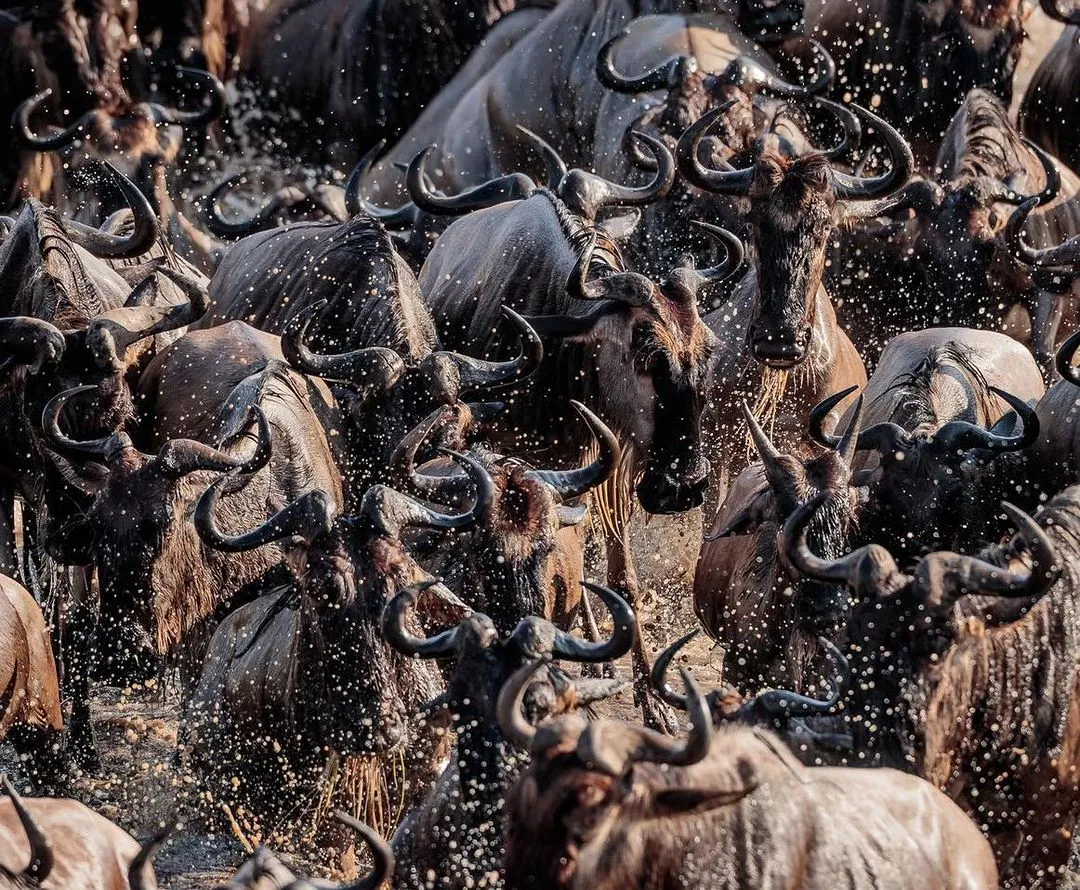
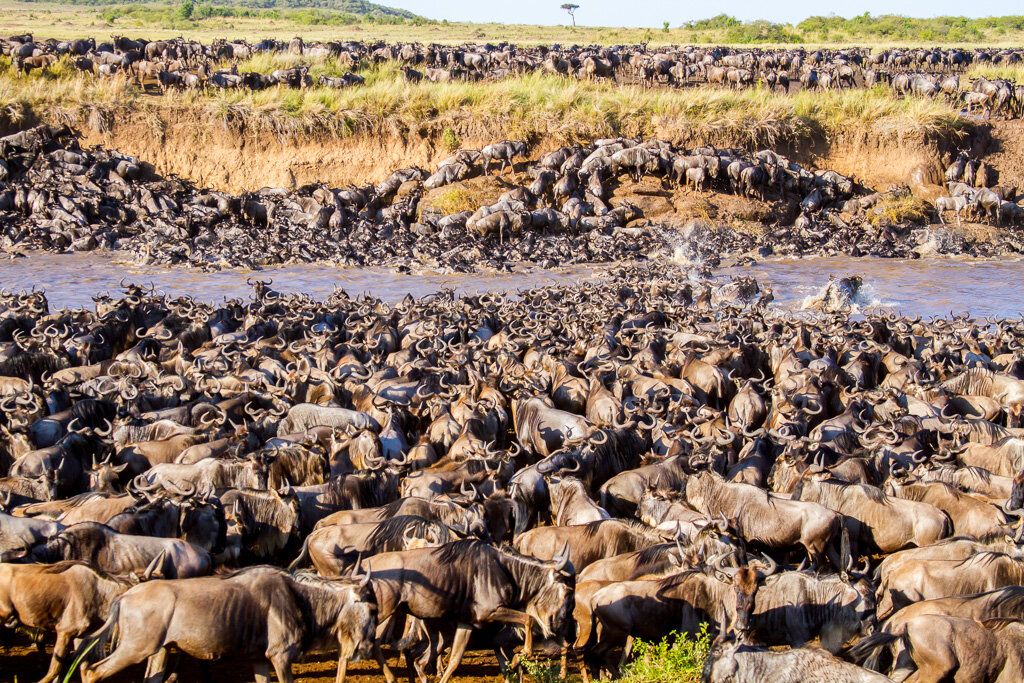
The season you choose will change the price more than almost anything else. If you go in July or August during the Great Migration, everything is at its peak price. The lodges are full, the cars are all booked, and the prices are firm. This is when the weather is dry and the grass is short, so seeing animals is easy.
But if you go in the green season, which is around March to May when the long rains come, the prices drop.
Plus, you do not have thirty other cars crowded around one lion. If you can handle a little mud, the value for money in the low season is incredible.
Some lodges cut their rates by forty percent just to get people through the door. Yes, it might rain in the afternoons, and the roads might get muddy with a few delays, but the landscape is beautiful and green.
Other Costs travelers forget
There are costs that do not show up on the safari quote. You need a visa to enter Tanzania, which is fifty dollars for most people but one hundred dollars if you are from the United States.
Then there are tips. In East Africa, tipping is a big part of the culture. Your guide works incredibly hard, often twelve hours a day. A standard tip is about twenty dollars per day per car. If you are at a lodge, there is usually a communal tip box for the cleaners and kitchen staff.
You also have to think about drinks. Some mid-range places include water but charge for sodas, juice and alcohol. A beer at a lodge might be five dollars, which sounds fine until you realize you have been out in the sun all day and really want three or more of them each day.
Distances between national parks in Tanzania are huge. If you want to see the Serengeti, Ngorongoro, and Tarangire, you are going to be driving a lot more. More driving means more fuel/gas. If you try to rush a safari and see too much in three days. You will spend most of your money on fuel and park fees and most of your time looking at the back of your drivers head. It is better to spend more time in one or two parks than to try and tick every box.
The logistics of the northern circuit
Most people think they will just land in Tanzania and see everything. But Tanzania is huge. If you are doing the Northern Circuit, which is where the Serengeti and Ngorongoro are, you are likely starting in Arusha. Arusha is a busy, noisy town that exists almost entirely because of tourism.
When you look at your bill, a huge chunk of it is just getting you from Arusha to the gate. You might drive for a few hours before you see a national park gate especially for Arusha national park or Tarangire national park. For Serengeti or Ngorongoro, you are driving for more hours. Before arriving at the park gates. Those are hours of fuel, several hours of your guide’s time, and hours of wear and tear on the vehicle.
People often ask if they can just rent a car and drive themselves. Technically, you can. But realistically, I would not recommend it for a first timer. If you break down in the middle of the park, or if you get stuck in the mud during the rainy season, you are in big trouble often by yourself before any help arrives after a few hours of waiting.
The cost of a recovery vehicle to come and pull you out can be about five hundred dollars alone. This is why paying for a tour operator and a proper guide makes sense. You are paying for a safety net.
The supply chain of luxury Lodges
Have you ever wondered how a luxury lodge in the middle of the bush has cold champagne and fresh salad? There are no supermarkets out there. Every single thing you eat and drink has to be trucked in from Arusha or flown in on a small plane.
When you stay at a place like the Serengeti Serena or one of the high end tented camps, you are paying for that supply chain. They have to run massive generators twenty four hours a day to keep the lights on and the fridges cold. They have to haul away all the trash.
The Safari Lodges have to pay for a massive staff that lives on site because there is no village nearby for them to go home to. When you see a price tag of eight hundred dollars a night, remember that at least half of that is just the cost of keeping the place running in a wilderness area.
The Southern and Western alternatives
If the North feels too expensive or too crowded, some people look south. Nyerere National Park, which used to be called Selous, and Ruaha are beautiful.
The park fees might be slightly lower, but the cost to get there is much higher. You usually have to fly. A small plane flight from Dar es Salaam to one of these parks can cost three hundred dollars or more one way.
If you want to go even further west to Katavi or Mahale to see the chimpanzees, you are entering the world of the ultra-wealthy. There are very few camps there, so they can charge whatever they want. We are talking fifteen hundred dollars a night minimum.
It is one of the most expensive travel experiences on earth because it is so remote. For a first timer on a budget, I would say stick to the North, but just be smart about which parks you choose and plan in advance.
The vehicle type for your safari comfort
I cannot stress enough how much the car matters. In Tanzania, almost everyone uses a Toyota Land Cruiser. These cars are built like tanks, but they are expensive to buy and maintain. A safari company pays about eighty five thousand to one hundred thousand US dollars for a new, converted/modified Land Cruiser.
When you are quoted a price, look at whether you are getting a “private use” vehicle. If you are a couple, having the car to yourself is amazing. You can tell the guide to stop for an hour to watch a dung beetle if you want.
But you are paying for all seven seats. If you are okay with “group joining,” you will be in a car with strangers. This is how you get the price down to that two hundred dollar a day range. But be warned, if the person sitting next to you wants to leave the lions to go find a bathroom, you have to leave too. You lose your freedom to save money.
The hidden cost of the “Big Five” obsession
Everyone wants to see the Big Five: lion, leopard, elephant, buffalo, and rhino. Because of this, guides are under a lot of pressure. They spend a lot of money on radio systems to talk to other guides. They drive fast and burn fuel to get you to a sighting.
If you tell your guide that you are interested in everything, including the birds and the trees, you might actually save money in the long run because you are not racing across the park. But the real cost here is the tip. A guide who finds you a rhino or leopard expects a better tip.
Tips are not optional in the safari world. They are how these guys make a living. You should budget at least fifteen to twenty dollars per day for the guide. If you are a group of four, that is five dollars each. If you are solo, that is twenty dollars out of your pocket every single day.
The extra safari add-on costs
Once you are in the park, people will try to sell you more things. The biggest one is the hot air balloon. It is an incredible experience to fly over the Serengeti at dawn, but it costs about five hundred fifty dollars per person. For some people, that is their entire budget for two days of the safari.
Then there are the Maasai village visits. Usually, a guide will pull over and ask if you want to visit a “boma.” They will tell you it is forty dollars per car or twenty dollars per person. Some of this money goes to the village, and helps directly in the local village projects.
It can feel a bit staged, but it is a way for the local communities to make a living from tourism. If you want a real experience, ask your operator for a community led tour that is not just a quick stop on the side of the main road.
The Zanzibar finish
Almost everyone wants to go to Zanzibar after their safari to wash off the dust. A flight from the Serengeti to Zanzibar is very convenient, but it is expensive. It can be three hundred to four hundred dollars for a one hour flight.
If you are on a budget, you have to drive all the way back to Arusha, take a bus to Dar es Salaam, and then take the ferry. The bus and ferry will cost you maybe fifty dollars total, but you will lose two days of your life to travel.
When you are planning your budget, decide if your time or your money is more valuable. Most people who have saved up for a “once in a lifetime” trip end up paying for the flight.
The reality of park fees
Government fees in Tanzania change often. They are currently very high. For example, if you enter the Serengeti, you pay your eighty three dollars. If you then drive into the Ngorongoro area to get back to Arusha, you have to pay another seventy one dollars just to drive through their land, even if you don’t stop to look at a single animal.
It is very easy to feel like you are being nickel and dimed. You have to go into this with the mindset that the money is going toward conservation. Tanzania has set aside a huge percentage of its land for wildlife, and that costs a lot of money to protect from poachers. If you think of it as a donation to the animals, it hurts the wallet a little less.
Local safari operator vs international safari planner
If you book with a big company in the United States or Europe, you are paying for their marketing, their shiny office, and their insurance. You might pay six thousand dollars for a trip that a local Arusha company would sell for four thousand.
The benefit of the big company is that if something goes wrong, you have someone to sue in your own country. If you book with a small local guy and he disappears with your deposit, you are out of luck.
However, most local operators in Tanzania are very honest and hardworking. Look for companies that are members of TATO, which is the Tanzania Association of Tour Operators. It gives you a bit of a safety net.
Practical spending in the bush
Once you are on the move, you will not find many ATMs. You need to carry cash. US dollars are king, but they have to be new. If you try to pay with a twenty dollar bill from the year two thousand, they will reject it. They only want bills printed after two thousand and twenty one.
You should also have some Tanzanian Shillings for small things like sodas, snacks, or small tips and souvenirs in villages. The exchange rate can be confusing and changes often, but roughly, one US dollar is about two thousand five hundred shillings. Having a stack of ten thousand shilling notes in your pocket is very handy.
The food situation
If you are on a budget safari, you will eat a lot of “lunch boxes.” These are usually a piece of cold fried chicken, a hardboiled egg, a juice box, and a piece of fruit. After four days of this, you will hate the sight of a cardboard box.
If you pay for mid-range, you usually get a “hot lunch” or at least a better spread. This costs more because the lodge has to prepare it and the guide has to carry it. It sounds like a small thing, but when you are tired and dusty, a hot meal makes a huge difference in your mood.
Final thoughts on the “Realistic” mindset
If someone tells you that you can do a “great” Tanzania safari for a hundred dollars a day, they are lying. Between the park fees and the fuel, that is physically impossible unless you are hitchhiking on a vegetable truck.
A realistic budget for a decent, comfortable, human experience is about four hundred dollars per person per day. If you can afford that, you will have a great time. You will see the lions, you will sleep in a bed with a mosquito net, a hot shower, and you will have a guide who actually knows what he is doing.
Don’t try to squeeze the budget too hard. If you cut the price too much, you cut the quality of your experience. You might end up in a car with a broken radio or a lodge that is so far from the park that you spend four hours a day just commuting to it. Tanzania is a place where you want to be in the middle of the action. Pay the extra seventy one dollars to stay inside the park. Wake up with the sound of hyenas outside your tent. That is what you are really paying for. The animals are free, but the access to them is what costs the money.
Spend your money on the time in the park, not on fancy hotels in the city. Arusha is just a city. The Serengeti is magic. Put every dollar you can into the days you spend behind the binoculars. That is the only part of the budget you will never regret.
Final advice
Tanzania is a place where you usually get what you pay for. Budgeting for a safari is about being realistic. If you have three thousand dollars total, do not try to do a ten day luxury trip. You will end up disappointed. Instead, do a four day really good mid-range safari. You will see plenty of animals, sleep in a comfortable bed, and actually enjoy the experience instead of stressing about every shilling.
The dust, the smell of the savanna, and that first time you see a lion walk right past your car window is worth the cost. Just make sure you know what that cost actually is before you get on the plane. Look at the fees, think about the season, and if you are traveling with a partner, enjoy the fact that you are splitting that car bill. It makes a big difference.