Maasai Mara National Reserve Big Five Animals
The Maasai Mara National Reserve’s Big Five animals are the most recognized animals in Africa, once linked to a very different history. The term “Big Five” was coined by the 19th-century hunters who viewed the enormous elephants, rhinos, cape buffaloes, lions and leopards as the most challenging animals to kill on a hunt.
The name and definition had nothing to do with reverence, yet these wildlife species now inspire a sense of respect and care that has for long shaped the meaning of a safari to Africa.
Across the African continent, communities, several conservation teams and dedicated rangers protect these species so visitors can witness them this time not with their hunting rifles but with a camera in hand.
The populations of these Big Five animals remain vulnerable, but their presence across several wilderness regions, including Maasai Mara National Reserve, offers extraordinary opportunities for excellent safari encounters.
The Big Five animals in Maasai Mara National Reserve have become part of the story of the Mara that includes landscapes, cultures and quiet moments that shape a Kenyan safari journey.
Understanding the Big Five Animals in Maasai Mara National Reserve
The modern safaris to Maasai Mara National Reserve are shaped with care and guided by conservation priorities. The Big Five animals serve as the ambassadors for the larger Serengeti–Mara ecosystem, of which Maasai Mara National Reserve is part, as well as communities of conservationists working together to preserve them.
Seeing all the Big Five in Maasai Mara National Reserve is possible, although nature never works to a timetable. The search for these fascinating wildlife species becomes part of the experience and often leads to unexpected and memorable moments.
What Are the Big Five Animals in Maasai Mara National Reserve
The Big Five animals in Maasai Mara National Reserve are black rhino, lion, African elephant, leopard and Cape buffalo. These wildlife species were once defined through a rifle, but today they represent resilience, conservation and the profound power of Africa’s wilderness. Each of these animals holds its own place in the story of safari and in this blog we explore their distinct characteristics and how they shape the landscape of Maasai Mara National Reserve they call home.
- The African Elephant
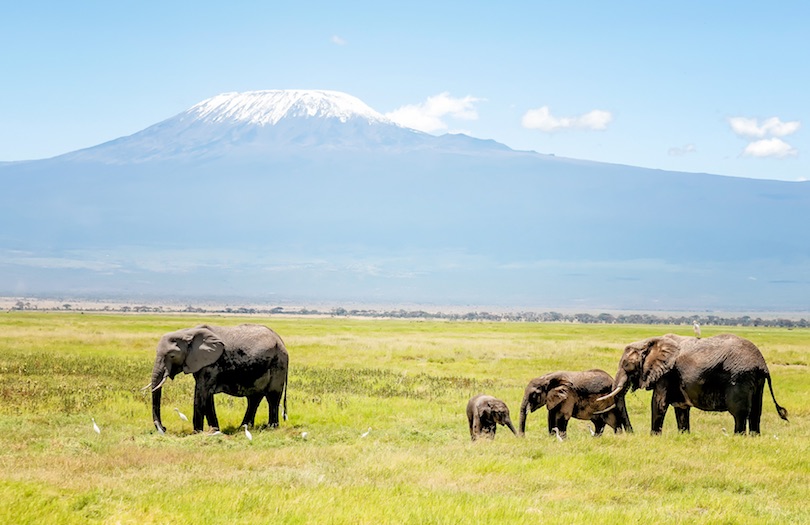
The African elephant is the largest land animal on the planet; it is also the largest and heaviest of the Big Five animals in Maasai Mara National Reserve. Elephants move with remarkable purpose, navigate the vast landscapes of Maasai Mara with the help of long-held memory and instinct, and their family bonds run deep.
African elephants can eat up to 170% of plant material every day and are the greatest destroyers of the wild vegetation due to their size and mass. They are very social animals living in herds of up to 100 and while they may appear gentle, they are protective of their calves and can react with tremendous force if they feel threatened. Elephants are relaxed and calm unless they are triggered and sense danger. An angry elephant can be extremely dangerous, digging its legs into the mud and sprinting its weight towards
- The African Rhino
In Africa there are two types of rhinos, the black rhino and the white rhino; however, the black rhino was the original rhino considered to be part of the Big Five. The black rhino is an endangered species of the rhino family that is highly threatened by illegal poachers for their meat and horns, and the population is estimated to be 6,487 black rhinos left in Africa.
The black rhinos and white rhinos are differentiated by some features; the black rhinos are darker and small and the white rhinos have a hook-shaped mouth to grab hold of trees and shrubs. Although rhinos look bulky, they are quick on their feet and have short tempers when provoked.
Although rhinos were abundant in the plains of Africa, decades of poaching have placed them on the critically endangered list.
The Cape Buffalo
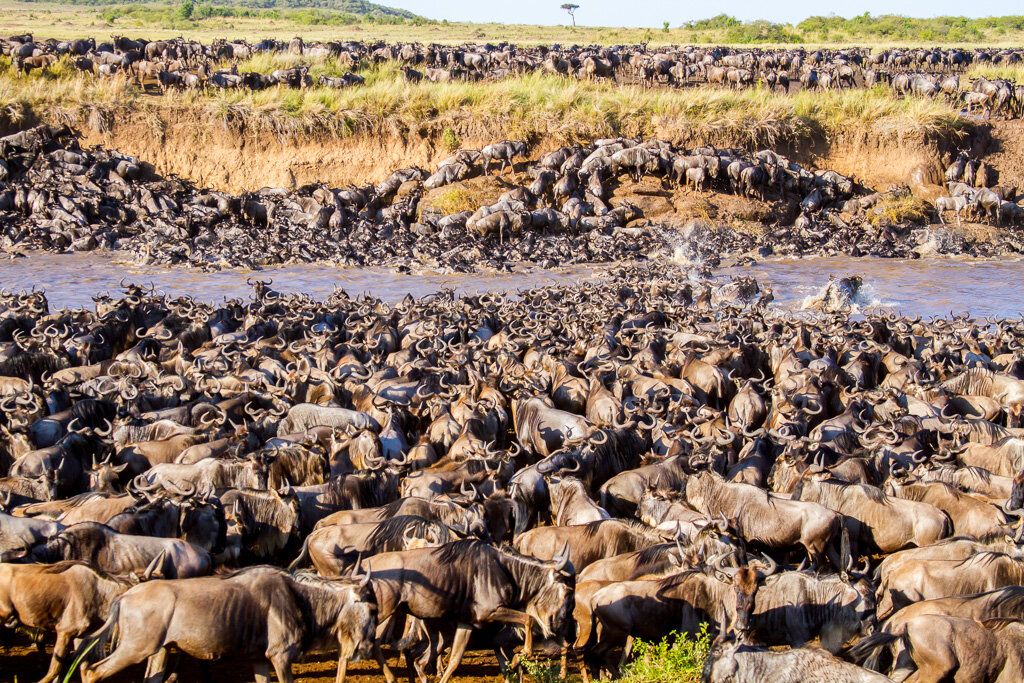
The Cape buffalo are one of Africa’s most dangerous land animals; they have earned this reputation for having killed more hunters than any other member of the Big Five. Cape buffaloes are crowned the unpredictable guardians of the herd; they move in enormous herds numbering up to thousands. They protect one another with striking commitment and have long been recognized for their unpredictable nature; you are most likely to find them near rivers, lakes and watering holes.
Cape buffaloes are often hunted by their fellow Big 5 member – lions and they do the hunt in coordinated attacks playing out on riverbanks and grasslands. These enormous animals can weigh up to 400 kg and they range in color from grey to brown.
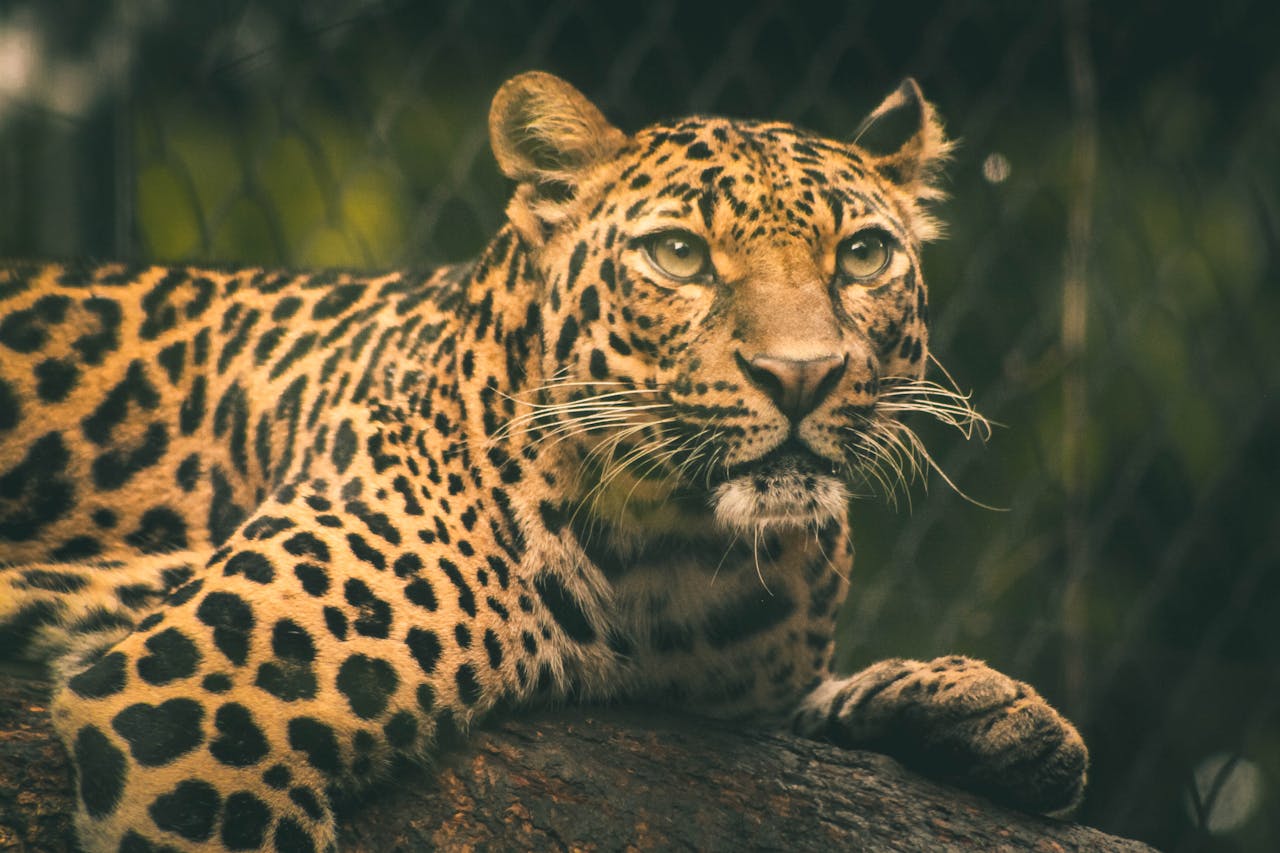
The African Leopard
The African leopard is the most mysterious and secretive of the Big Five animals in Maasai Mara National Reserve. They are tricky to spot thanks to their fur giving them the perfect camouflage, making them dangerous hunters that are difficult to see.
Leopards are masters at hiding and disguising themselves in high trees and bushes and have the ability to jump up to 9 meters high. The leopard’s elegance lies in its ability to appear and vanish without a sound. These solitary cats are fond of hiding their cubs in rocky outcrops or dense thickets; their strength allows them to carry prey into trees, way from other predators like lions and hyenas. Although elusive, leopards adapt to many environments and remain one of the most intriguing species to photography in Africa.
The African Lion
Referred to as the King of the Jungle, the African lion holds a familiar place in the African story. They have a complex social structure with pride dynamics that shift over time. Lionesses raise their cubs together, are responsible for hunting, which they do cooperatively, and often act as the stabilizing force of the pride.
The responsibility of the males is to defend the territory and control access, although their tenure rarely lasts long.
Lions are the most famous animals of the Big Five in Maasai Mara National Reserve, known for their elegant yet intimidating reputation. They are always at the top of the food chain, as they are the top predators in the African wild, able to eat up to a quarter of their body weight.
The African lions are the only social cats, living in relatively large groups called prides. They spend most of their days under the shade, resting and they can sleep up to 20 hours in a day. In the lion kingdom, each pride comprises mostly related females—some 99%—who may live together all their lives. Often male lions come and go, since they are related to most of the females in the pride into which they are born.