Bucket List Things to Do in Serengeti
The Serengeti is enormous, roughly the size of Belgium, which means the honest first question for any visitor is not what to do but where in the park to be doing it. Different sub-regions come alive at different times of year, and the experiences worth building your trip around, a balloon safari over the plains, a migration river crossing, a visit to the site where human history itself was first traced, are scattered across a landscape too large to cover in a single stay.
Here is what belongs on your list, and how to time each one.
Understanding the Serengeti’s Geography First
Before getting to the list itself, it helps to know that ‘the Serengeti’ is really several distinct ecosystems joined together: the central Seronera area, with year-round resident wildlife and the park’s best predator density outside migration season; the southern plains around Ndutu, where the migration gathers to calve each year; and the northern reaches around Kogatende, where the most dramatic Mara River crossings happen. Most of what follows is tied to one of these three zones, so matching your itinerary to the right sub-region matters as much as the activities themselves.
The Bucket List
1. Take a Hot Air Balloon Safari Over the plains.
Floating above the Serengeti at sunrise remains one of the defining safari experiences anywhere in Africa. Balloon operators run flights from multiple launch points, including near Seronera, in the northern Kogatende area, and around Ngorongoro’s rim, so you can pair the flight with whichever part of the park your itinerary already has you in. As in Kenya, every flight traditionally ends with a champagne bush breakfast laid out on the plains, and the view from a few hundred feet up, herds scattered across grassland stretching to the horizon in every direction, is genuinely different from anything a vehicle can offer.
2. Witness the Great Migration
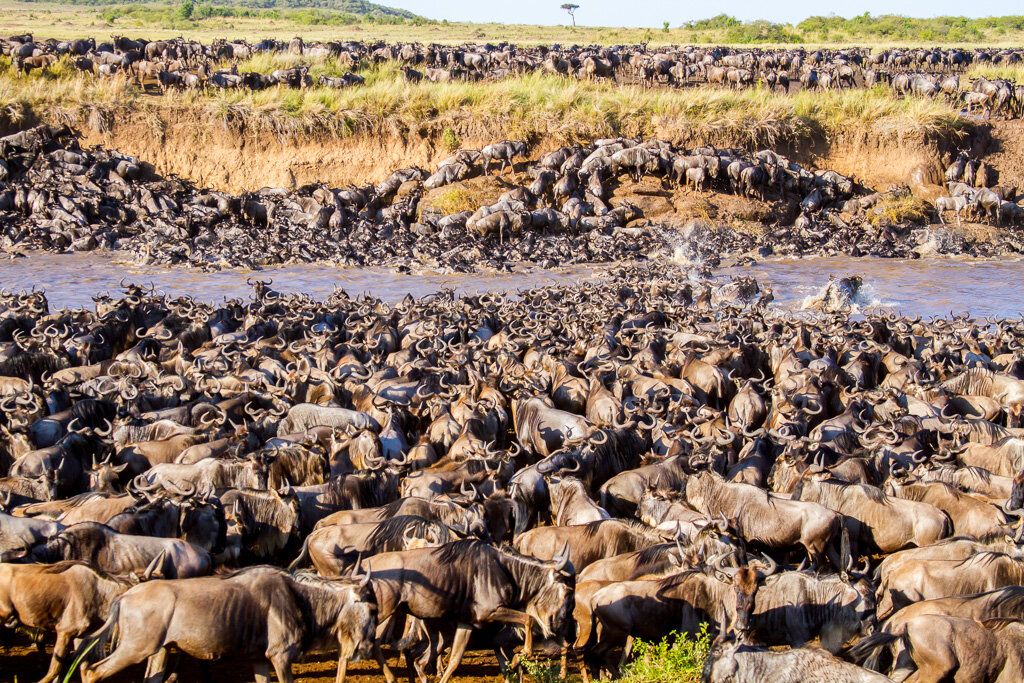
This is the Serengeti’s headline event, and depending on the month, it means something different. From roughly June through October, the herds move north through the western corridor and into the Kogatende area, where the Mara River crossings happen.
From December through March, the action shifts south to the Ndutu area, where over half a million wildebeest calves are born within a few weeks each February, drawing an intense concentration of predators. Neither phase is ‘better’ than the other, they are simply different chapters of the same event, and choosing which one to see should shape your entire travel calendar.

3. Visit Olduvai Gorge
Tucked into the eastern Serengeti plains, Olduvai Gorge is where Louis and Mary Leakey uncovered fossil evidence in 1929 that reshaped our understanding of human evolution, hominid remains and tools dating back more than two million years. A stop at the small on-site museum, usually built into a day’s drive between the Ngorongoro Crater and the southern Serengeti, adds a layer of depth to the trip that pure wildlife viewing does not, and is well worth the half-day detour for travellers curious about the deeper story of the landscape they are driving through.
4. Descend into the Ngorongoro Crater
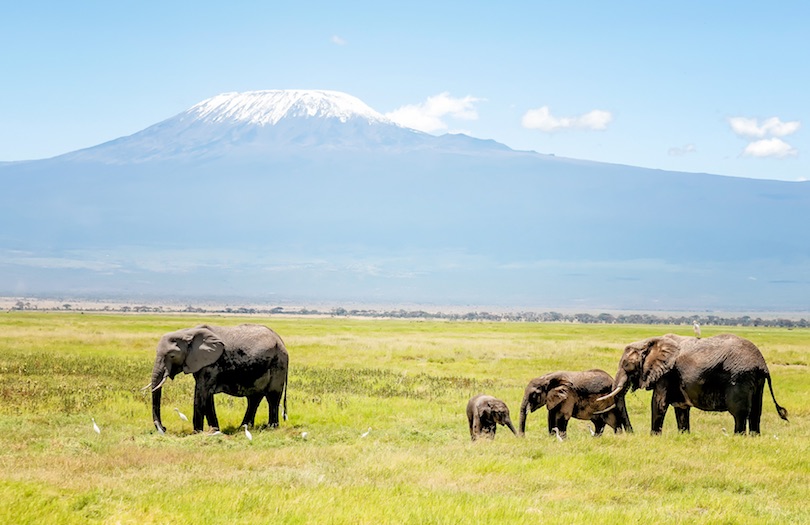
Though technically a separate conservation area rather than part of the Serengeti itself, Ngorongoro sits close enough to almost every Serengeti itinerary that skipping it would be a genuine missed opportunity. The world’s largest intact volcanic caldera holds an extraordinary density of wildlife within its 20-kilometre span, including one of the most reliable black rhino populations left in East Africa, all viewable in a single, self-contained day trip down into the crater floor and back out.
5. Track Predators in the Seronera Valley
If your trip does not align with peak migration timing, Seronera, the Serengeti’s central hub, still delivers some of the best year-round predator viewing in Africa. Resident lion prides, healthy leopard numbers along the river’s riverine forest, and regular cheetah sightings on the open plains mean this area rewards visitors regardless of season, which is exactly why it anchors most Serengeti itineraries even when the migration itself is elsewhere.
6. Sleep in a Mobile Migration Camp
Rather than staying in one fixed lodge for your entire trip, mobile tented camps physically relocate several times a year to stay close to wherever the migration currently is, from the southern plains during calving season to the north during river-crossing months.
Staying in one means shorter drives to the action and, often, a more intimate, back-to-basics camp experience than the larger permanent lodges offer, appealing to travellers who want their accommodation itself to be part of the adventure.
7. Visit a Maasai Community on the Park’s Border
The Serengeti’s boundaries are shared with Maasai communities who have coexisted with this land for generations, and a guided visit to a nearby boma, arranged through your camp rather than informally, offers insight into pastoral life, traditional dance and homestead construction that adds meaningful context to the wildlife-focused portions of your trip.
8. Photograph the Endless Plains at Golden Hour
The Serengeti’s name comes from the Maasai word for ‘endless plains,’ and the light here at sunrise and sunset does genuine justice to that description. Whether or not photography is a primary interest, ask your guide to prioritise being in an open, elevated spot during golden hour at least once during your stay; the combination of flat horizon and low light produces some of the most striking safari scenery anywhere on the continent.
9. Go Birdwatching Across the Ecosystem
With over 500 recorded bird species, the Serengeti rewards travellers who occasionally look beyond the Big Five. Raptors are especially active during migration season, following herds for an easy meal, while the crater rim and riverine forests around Seronera hold their own resident specialities. A guide with genuine birding expertise, worth requesting when you book, turns an ordinary game drive into something considerably richer.
10. Combine the Serengeti with the Rest of Tanzania’s Northern Circuit
For travellers with ten or more days, pairing the Serengeti with Tarangire National Park, known for its enormous elephant herds and ancient baobabs, rounds out the northern circuit into a genuinely complete Tanzania safari. It is not strictly a Serengeti-specific bucket list item, but it consistently ranks among the best decisions travellers with the extra time make, since Tarangire’s landscape and wildlife focus differ enough from the Serengeti itself to avoid feeling repetitive.
When to Plan Each Experience
| Experience | Best Timed For |
| Mara River crossings (north) | June-October, peaking July-August |
| Calving season & predator action (south, Ndutu) | late January-February |
| Year-round predator viewing (Seronera) | Any time |
| Hot air balloon safari | Year-round, weather permitting |
| Ngorongoro Crater day trip | Year-round, best in dry season |
Serengeti or Masai Mara: Do You Need Both?
Travellers planning a first East Africa trip often ask whether they need to visit both the Serengeti and Kenya’s Masai Mara, since the two form a single connected ecosystem across the border. For a first safari, the honest answer is that one is enough; the Serengeti alone, especially combined with Ngorongoro, delivers a complete, world-class safari without needing the Mara as well.
Combining both makes more sense for a second visit, a longer trip of two weeks or more, or for travellers whose exact migration timing has the herds split across the border during their travel dates. Crossing between the two countries mid-trip is possible but adds a border transfer and generally a light-aircraft leg, so it is worth the extra planning only if your schedule genuinely allows it.
What to Pack
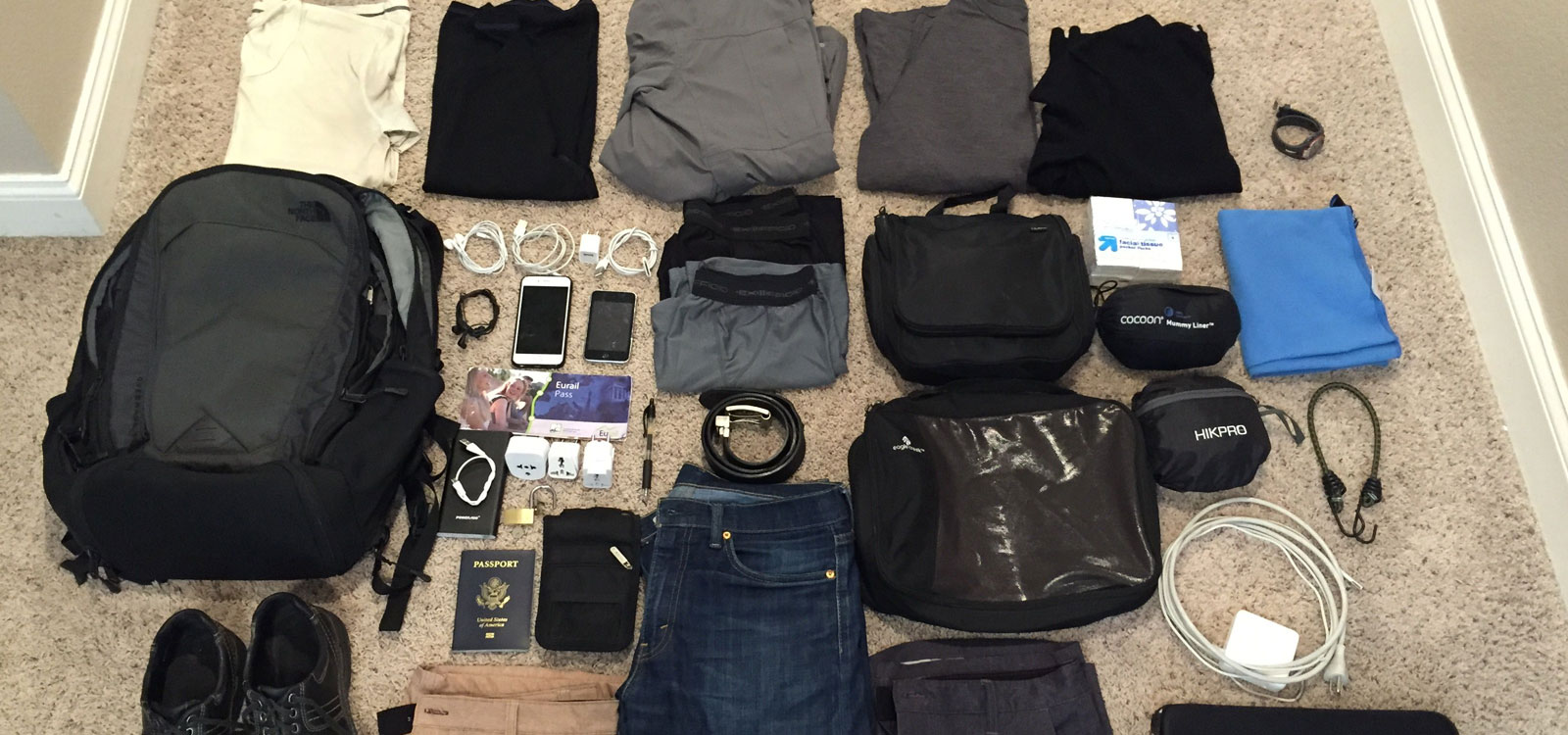
Layers matter here as much as anywhere else in East Africa: open-vehicle game drives start cold, even during the warmer months, and warm up quickly once the sun is up.
A wide-brimmed hat, good sunglasses and strong sunscreen are essential given the hours spent exposed on the plains, and binoculars are worth packing even for travellers who are not primarily interested in photography, since much of the Serengeti’s wildlife is spotted at genuine distance across open grassland.
Dust is a constant on Serengeti roads, so neutral-toned, easily washable clothing serves you better than anything you would mind getting dirty.
Budgeting for These Experiences
Game drives, Ngorongoro Crater entry and most guided activities are typically bundled into your camp’s nightly rate. Hot air balloon safaris are the notable exception, generally $550 to $650 per person, and worth booking early in your stay given limited daily capacity.
Mobile migration camps often carry a premium over fixed lodges of similar comfort level, reflecting the logistics of relocating an entire camp several times a year, but for travellers prioritising proximity to the migration, that premium is usually worth paying.
Getting There and Around
Most Serengeti trips fly into Kilimanjaro International Airport or Arusha, then connect via light aircraft directly to airstrips within the park, since road transfers from Arusha can take the better part of a day depending on which sub-region you are headed to.
Internally, moving between Seronera, Ndutu and Kogatende is almost always done by light aircraft rather than road, given the distances involved across the park’s roughly 15,000 square kilometres. Factor these internal flights into your budget and packing plans, since, as with most bush-plane travel in East Africa, luggage weight limits are strictly enforced.
Planning Advice
Decide which phase of the migration you most want to see before booking anything else, since it determines both your travel dates and which sub-region of the park your itinerary should centre on.
If your dates do not align with the migration at all, do not be discouraged: Seronera’s resident wildlife delivers a genuinely strong safari year-round, and pairing it with the Ngorongoro Crater and a stop at Olduvai Gorge produces a complete, well-rounded trip regardless of season.
Frequently Asked Questions
What is the single best month to visit the Serengeti?
There is no universal answer; it depends on what you want to see. September offers a strong balance of dry weather, possible river crossings and fewer crowds than peak July-August, while February delivers the drama of calving season in the south.
Do I need to visit both the north and south of the park?
Not necessarily. Most trips focus on whichever sub-region aligns with the migration’s current position during your travel dates, plus Seronera for year-round wildlife, rather than trying to cover the entire park in one visit.
Is the Ngorongoro Crater worth adding to a Serengeti trip?
Yes. It is close enough to most Serengeti routes to add easily and delivers an exceptional concentration of wildlife, including black rhino, in a single self-contained day.
How many days do I need in the Serengeti?
Four to five nights is a reasonable minimum to properly experience one or two sub-regions without feeling rushed, with additional nights worthwhile if you are combining multiple zones or adding Ngorongoro and Tarangire.
Do I need to choose between the Serengeti and the Masai Mara?
For a first safari, no, either one alone delivers a complete experience. Combining both suits longer trips or repeat visitors who want to see the full scale of the shared ecosystem across both countries.