Safari Circuits in Tanzania : Northern vs Southern Routes
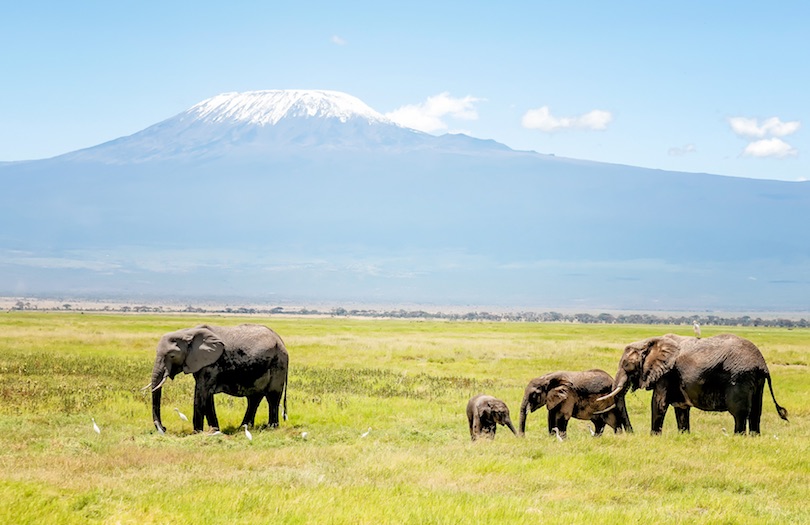
Tanzania is usually sold as a single destination, but it is really two very different safari countries wearing one passport stamp. The northern circuit, home to the Serengeti and Ngorongoro Crater, absorbs roughly eighty percent of the country’s safari tourism, while the southern circuit, built around Ruaha and Nyerere National Parks, sees a fraction of those numbers across a genuinely larger stretch of wilderness.
Neither route is objectively better, but they deliver such different experiences that choosing between them, or deciding whether to combine both, should be one of the first decisions you make when planning a Tanzania safari.
Should You Go North, South, or Both?
There is no wrong answer here, only a mismatched one, a trip built around the wrong circuit for what you actually wanted to see. Getting this decision right early saves you from the more common mistake of choosing a circuit based on where a friend went rather than what you personally want out of the days you have available.
If this is your first Tanzania safari and you want the classic, world-famous sights, the Great Migration, and the Ngorongoro Crater’s density of wildlife, go north. If you have already done a northern circuit safari, or a Kenya trip that covered similar ground, and want genuine remoteness with far fewer vehicles at every sighting, the southern circuit is where to look next.
Combining both in a single trip is possible and increasingly popular among travellers with two weeks or more, but it is not necessary for a satisfying first visit, and trying to force both into a short trip usually means shortchanging each one.
The Northern Circuit
The northern circuit is Tanzania’s headline act, anchored by the Serengeti’s endless plains and the Ngorongoro Crater’s self-contained wildlife density, with Tarangire and Lake Manyara typically added for their own distinct strengths: Tarangire for enormous elephant herds and ancient baobabs, Lake Manyara for a compact, easily covered park known for tree-climbing lions and prolific birdlife.
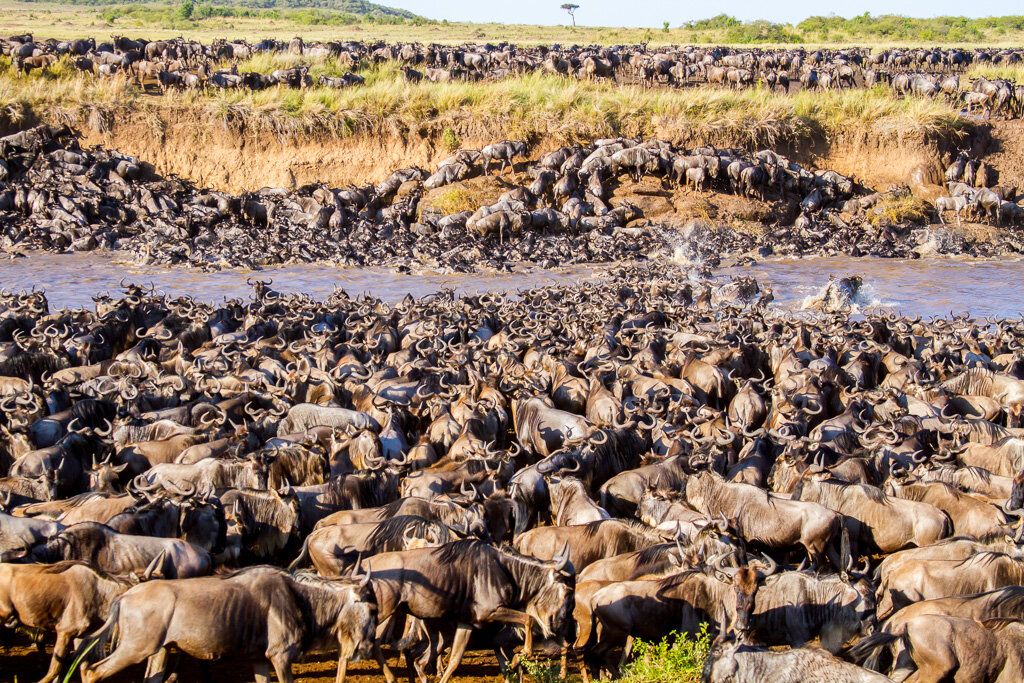
This is where the Great Migration spends most of the year, moving between the southern plains during calving season and the northern reaches during the July to October river-crossing months, and it is where you will find the highest concentration of camps, guides and, unavoidably, other vehicles.
Infrastructure here is mature: well-established roads, frequent scheduled flights between park airstrips, and a wide range of accommodation from budget campsites to some of the most talked-about luxury lodges in Africa. This maturity is exactly what makes the north the sensible choice for first-time visitors, since logistics rarely go wrong and support is never far away if something does.
The Southern Circuit
Southern Tanzania offers something the north increasingly cannot: genuine solitude. In Ruaha, you might be the only vehicle at a leopard sighting; drive an hour without meeting another vehicle at all is a realistic description of a typical game drive here, not a marketing exaggeration. Ruaha national park is Tanzania’s largest national park, defined by the dramatic, red-earth landscape carved by the Great Ruaha River, and holds roughly forty percent of the country’s lion population alongside the largest elephant numbers in East Africa and wild dog sightings that put most northern parks to shame.
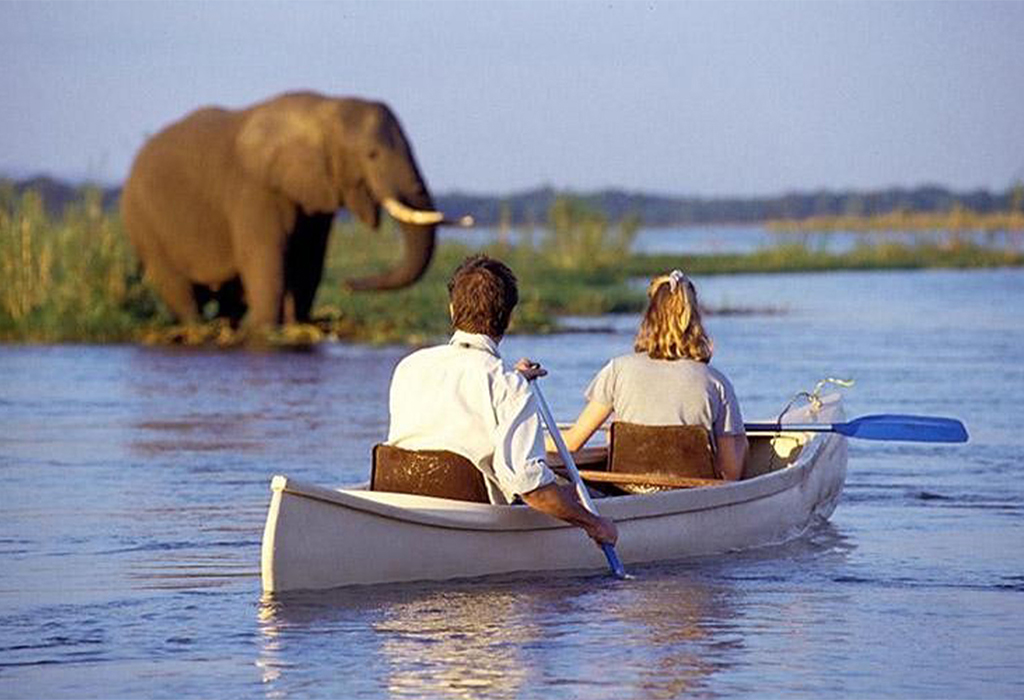
Nyerere National Park, previously known as Selous Game Reserve, adds a dimension the Serengeti cannot: boat safaris on the Rufiji River alongside conventional game drives and guided walks, making it one of the only places in Tanzania where you can combine three distinct styles of safari activity in a single park. Together, Ruaha and Nyerere see only a small fraction of the Serengeti’s annual visitor numbers, which is precisely the appeal for travellers who have already experienced the north’s more concentrated tourism.
Comparing the Two Circuits
| Factor | Northern Circuit | Southern Circuit |
| Signature draw | Great Migration, Ngorongoro Crater | Remoteness, predator density, boat safaris |
| Visitor numbers | High, especially Jun-Oct | Low year-round |
| Infrastructure | Mature, extensive lodge choice | Developing, fewer but excellent camps |
| Getting there | Direct flights into Kilimanjaro/Arusha | Usually via Dar es Salaam, more flight time |
| Best for | First-time visitors, migration timing | Repeat visitors, uncrowded game viewing |
| Typical activities | Game drives, balloon safaris | Game drives, walking safaris, boat safaris |
What You’ll Actually See in Each
The northern circuit’s wildlife story is dominated by scale: the sheer number of wildebeest, zebra and gazelle moving as a single migratory body, and the predators that follow them, is a spectacle of volume that nowhere else in Africa quite matches.
The Ngorongoro Crater adds density on top of that, packing lion, elephant, buffalo, and one of the more reliable black rhino populations left on the continent, into a single walkable-in-a-day landscape. The southern circuit tells a different story, one of proportion rather than volume: Ruaha’s lion prides operate at a scale rarely seen elsewhere, its elephant population is the largest in East Africa, and wild dog sightings, genuinely rare and unpredictable in most safari destinations, are realistic here in a way they are not in the north. Nyerere adds hippo and crocodile-rich river scenes from the water itself, a vantage point the northern circuit’s game-drive-only structure cannot offer.
Accommodation Styles
Because the northern circuit sees such heavy demand, its accommodation spans an unusually wide range, from simple budget campsites to some of the most architecturally ambitious luxury lodges in Africa, with everything in between well represented. This depth of choice is one of the north’s underrated advantages: almost any budget can be accommodated without compromising much on location or access.
The southern circuit’s smaller camp count means less range at the extreme budget end, but the camps that do exist tend to be owner-run, intimate properties where the same guides who take you out each morning are often involved in every other part of the operation, producing a more personal, less corporate feel than some of the larger northern lodges.
Getting There
Most northern circuit trips fly directly into Kilimanjaro International Airport or Arusha, with onward light-aircraft connections to park airstrips taking well under an hour. The southern circuit is typically reached via Dar es Salaam, Tanzania’s largest city on the coast, with a connecting flight to Ruaha or Nyerere adding meaningfully more total travel time than the northern routing.
This difference is worth building into your itinerary planning from the outset rather than discovering it once flights are already booked, since it can affect how many nights you realistically have left for game viewing once arrival and departure days are accounted for.
When to Visit Each Circuit
The northern circuit’s calendar is dictated by the migration: June through October for river crossings in the north of the Serengeti, December through March for calving season in the southern plains and Ndutu area. Outside these windows, Seronera’s resident wildlife and the Ngorongoro Crater still deliver strong year-round viewing, so the north is rarely a poor choice regardless of timing.
The southern circuit runs on a simpler dry-season rhythm: June through October offers the best game viewing as animals concentrate around the Great Ruaha and Rufiji rivers, while the wetter months bring lush scenery, excellent birdlife and considerably lower rates, though some camps close entirely during the heaviest rains from March to May.
What Each Circuit Costs
Costs are broadly comparable between the two circuits at similar comfort levels, generally $300 to $600 per person per night for mid-range lodges and $600 to $1,500 for luxury tented camps, though the southern circuit’s lower camp density sometimes pushes its top-tier properties slightly higher due to more limited supply.
The bigger cost difference tends to show up in logistics: reaching the southern circuit typically involves a flight via Dar es Salaam rather than the more direct routing into Kilimanjaro or Arusha that serves the north, adding time and sometimes cost to the overall trip.
Combining Both Circuits
For travellers with fourteen days or more, pairing a northern circuit safari with a shorter southern circuit extension is an increasingly popular way to see both the classic highlights and Tanzania’s quieter wilderness in a single trip.
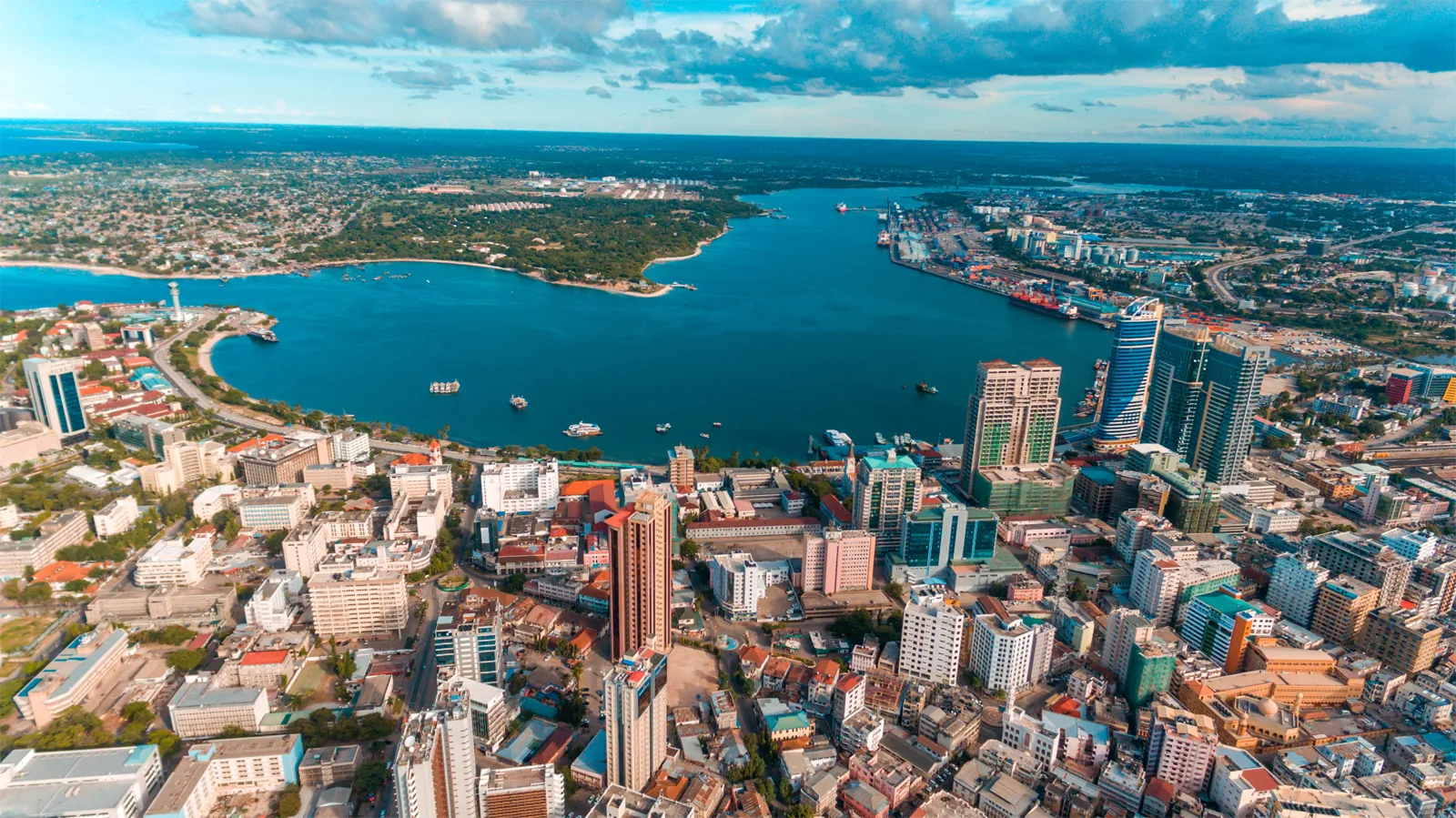
The logistics require an internal flight connection through Dar es Salaam or occasionally a direct charter between the two regions, adding a travel day to the itinerary, but the contrast between the two, crowded drama in the north, solitary immersion in the south, gives the whole trip a shape that a single-circuit itinerary cannot match. This combination suits experienced safari travellers more than first-timers, who are generally better served focusing on one circuit and doing it properly.
A well-paced combined itinerary typically allocates seven to eight days to the northern circuit and four to five to the south, front-loading the trip with the north’s broader logistics support before finishing in the quieter, more immersive southern parks, a sequence that also tends to feel like a natural crescendo of the trip rather than an anticlimax.
Planning Advice
If you are choosing the northern circuit, decide which phase of the migration you most want to see before booking anything else, since it determines both your travel dates and which sub-region, Seronera, Ndutu or Kogatende, should anchor your itinerary. If you are choosing the southern circuit, budget slightly more transfer time into your itinerary given the routing through Dar es Salaam, and lean into the walking and boat safaris that make Ruaha and Nyerere distinct rather than simply replicating a northern-style game-drive-only itinerary in a quieter setting.
Our Recommendations by Traveller Type
First-time Tanzania visitors should choose the northern circuit, built around the Serengeti and Ngorongoro Crater, for the most complete, best-supported introduction to the country.
Repeat visitors and photographers wanting fewer vehicles at every sighting should prioritise Ruaha.
Travellers who want variety within a single park should look closely at Nyerere for its combination of game drives, walking safaris and boat cruises.
Travellers with two weeks or more are well suited to combining both circuits, provided they accept the added transfer logistics as part of the trip rather than a complication to avoid.
Frequently Asked Questions
Which circuit is better for a first safari?
The northern circuit, thanks to its mature infrastructure, direct flight access, and the Great Migration’s world-famous drama, which most first-time visitors specifically want to see.
Is the southern circuit worth the extra travel time?
For travellers who have already experienced a busier safari destination and want genuine solitude, yes. Ruaha and Nyerere deliver wildlife density and variety of activity that rival the north, without the vehicle congestion at popular sightings.
Can I combine both circuits in one trip?
Yes, though it generally requires two weeks or more and an internal flight connection through Dar es Salaam, which adds a travel day to the itinerary.
Which circuit has better walking and boat safari options?
The southern circuit, particularly Nyerere National Park, where boat safaris on the Rufiji River are a signature activity alongside game drives and guided walks.
Is the southern circuit as safe and well-run as the north?
Yes. While it sees fewer visitors and has less accommodation choice, the camps and guiding standards in Ruaha and Nyerere are excellent, and the parks are just as professionally managed as their northern counterparts.