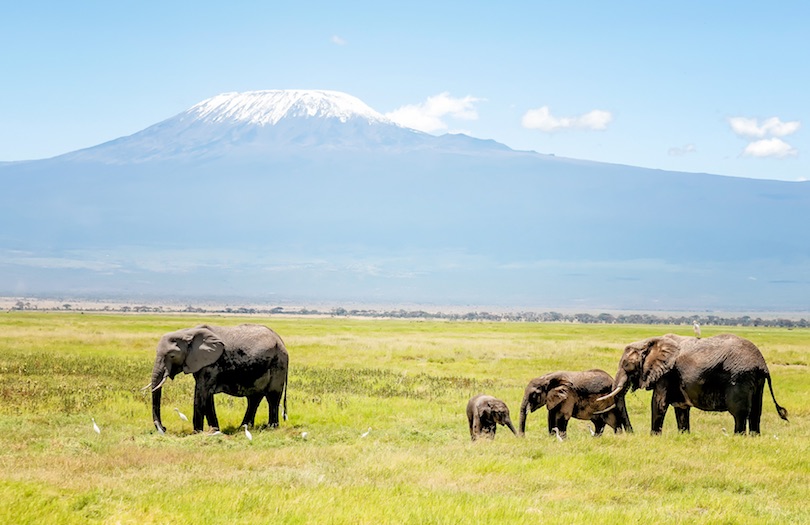
A Complete Guide to African Safaris for Solo Travellers; Africa ranks among the world’s genuinely best solo travel destinations, and the reason comes down to structure: guided tours, protected parks, shared game drives, and clear, established transport networks make solo safari travel considerably safer, smoother, and more meaningful than many first-time travelers initially expect. Solo travelers arriving at a shared camp are never alone during the most significant parts of the experience, group game drives, communal dining, and shared gorilla treks, while independent time in cities and markets provides the freedom solo travel is built around.
As a travel consultant who plans solo safaris regularly, this guide walks through everything a first-time solo traveler needs to know, choosing a destination, understanding costs, managing the single supplement, and staying safe throughout.
Choosing Your Destination
Kenya (Masai Mara, Laikipia), Tanzania (Serengeti, Ngorongoro, and Tarangire), Uganda and Rwanda (gorilla trekking), Botswana’s Okavango Delta, South Africa’s Kruger and private reserves, Namibia’s Etosha, and Zambia’s Lower Zambezi all rank among the continent’s top solo safari destinations, each offering tailored experiences, solo-friendly accommodation, and expert-guided wildlife encounters.
For a genuinely accessible first solo safari, Kenya and Tanzania’s classic chave the most established infrastructure and the widest range of solo-friendly lodges, while Rwanda’s compact size, safety, and efficient logistics make it a particularly strong choice for travelers who want wanting to combine a single powerful wildlife encounter, gorilla trekking, with genuine independent city exploration in Kigali.
How Solo-Friendly Activity Structure Actually Works
The gorilla and chimpanzee trekking experiences found in Uganda and Rwanda are structured group-based, with ranger guidance, making them genuinely accessible and social regardless of whether you arrive solo. A solo traveler can organize a gorilla trekking permit directly, arrange transfers through reputable local operators, choose accommodation ranging from budget guesthouses to luxury lodges, and then participate in the group trek itself, paired with other individuals and couples who booked independently. The group structure means you’re never genuinely alone during the most significant part of the experience.
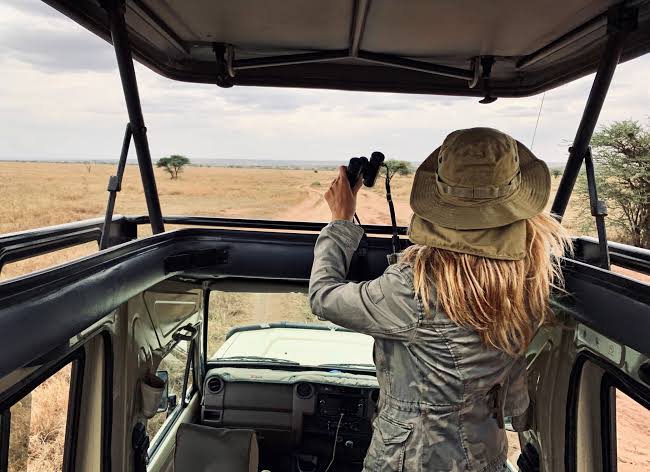
The same logic applies to classic vehicle-based safaris: shared game drives, boat trips, nature walks, and water-based outings are typically already included in a camp’s standard stay, letting solo guests simply join whichever shared activity suits their interest that day without needing to plan every logistical detail independently.
Managing the Single Supplement
Many lodges impose a single supplement, typically adding 25 to 50 percent to the standard per-person rate, since rooms are usually priced for double occupancy. This is genuinely the single biggest cost consideration for solo safari travel, and working with an experienced operator who knows specifically which properties waive or reduce these fees for solo guests and which seasons offer the best chance of avoiding them entirely can meaningfully reduce your overall trip cost.
Off-peak travel specifically often eliminates single supplements entirely at select properties, and booking mobile tented safaris, which relocate seasonally to follow wildlife, allows genuinely flexible routing to hotspots while frequently offering more favorable solo pricing than fixed luxury lodges.
Building Your Itinerary
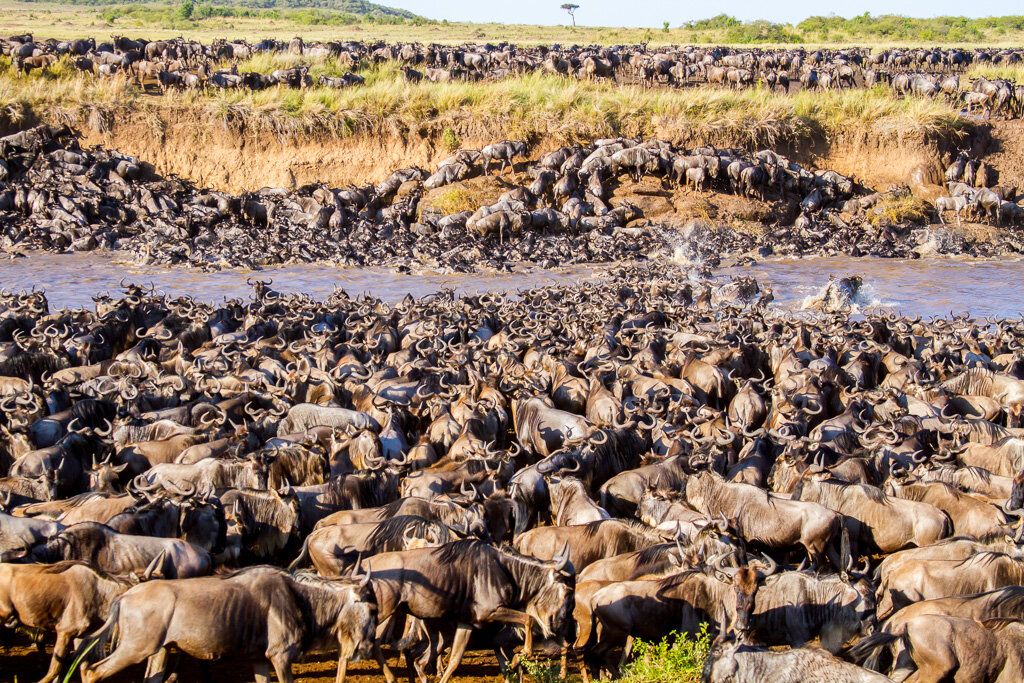
For a Great Migration-focused solo trip, timing your visit to coincide with the July-through-October river crossings guarantees genuinely front-row seats to real predator-prey drama, and solo-friendly migration safaris typically combine shared game drives, guided walks, and hot air balloon flights over the plains at dawn.
For a gentler, more contemplative solo experience, Botswana’s Okavango Delta offers one of the most peaceful wildlife encounters available anywhere on the continent, being gently poled along still channels in a mokoro, a traditional dugout canoe, particularly well suited to solo travelers seeking long, quiet moments in nature rather than a more socially intensive trip.
For travelers wanting the most intimate, close-to-ground wildlife engagement, Zambia’s South Luangwa National Park, the birthplace of the walking safari, delivers one of the continent’s most authentic wilderness experiences, with small groups and highly skilled, experienced guides ensuring the activity remains both genuinely safe and deeply immersive.
Independent Time: Where Solo Travel’s Real Freedom Shows
The best solo African trips deliberately pair structured, guided wildlife activities with genuine independent time exploring a capital city or coastal town. Solo travelers who allow themselves two or three days in Kigali before or after a Rwanda gorilla trek often describe the city as the unexpected highlight of their entire visit, a small, safe, walkable capital with genuine creative and culinary culture: the Kigali Genocide Memorial for historical context, Kimironko Market for local color, dedicated bike lanes for safe solo cycling, and the Inema Arts Centre in the Kacyiru neighborhood for contemporary Rwandan art and culture.
Nairobi, Arusha, and Kampala each offer their own comparable independent-exploration opportunities, and building at least one or two such days into your itinerary, rather than moving directly from airport to lodge and back, genuinely rounds out the solo travel experience.
Practical Safety Guidance
Choose ethical, reputable operators throughout your trip, since guided tours, protected parks, and responsible wildlife-viewing rules are precisely what make these experiences safer and smoother for solo travelers specifically. Respect recommended animal distances at all times, and lean into the inherent group structure of most safari activities rather than seeing solo travel as something requiring entirely independent navigation.
Within cities specifically, use reputable, pre-arranged transportation rather than hailing rides on the street, avoid walking alone after dark in unfamiliar areas, and stay alert in crowded markets and transit hubs where pickpocketing can occur. The overwhelming majority of solo African trips proceed entirely without incident, and the structure inherent to organized safari travel provides a genuine, practical safety net most first-time solo travelers don’t fully appreciate until they’ve actually experienced it.
Budgeting for a Solo Safari
Beyond the single supplement itself, solo safari budgets should account for the same core costs as any traveler: park and conservation fees, activity permits (particularly steep for gorilla trekking, at $700 in Uganda or $1,500 in Rwanda), accommodation, meals, and guiding. Genuinely useful ways to manage overall cost as a solo traveler include choosing a mobile tented camp over a fixed luxury lodge, traveling during shoulder season, and joining a small scheduled group departure rather than booking a fully private vehicle and guide, since group departures spread the cost of guiding and transport across several travelers even when accommodation itself remains individually priced.
Packing and Practical Preparation
Solo travelers benefit from packing slightly more self-sufficiently than a group might: a portable charger for camera and phone batteries, a basic first-aid kit, and copies of key documents, passports, insurance details, and permit confirmations, stored separately from the originals. Share your itinerary and a way to reach you with someone back home before departure, a simple habit that adds genuine peace of mind without meaningfully affecting the trip itself.
Malaria prophylaxis, appropriate vaccinations, and comprehensive travel insurance with medical evacuation coverage all deserve particular attention for solo travelers, since you won’t have a travel companion to assist you directly in an emergency. A travel clinic visit four to six weeks before departure allows time to work through destination-specific guidance tailored to your exact itinerary.
Meeting Other Travelers on the Road
One of the most common concerns first-time solo safari travelers raise is loneliness, and the honest, reassuring answer is that shared safari activities make this unlikely. Communal dining at most camps, whether a single long table or a shared boma dinner, naturally encourages conversation between guests, and shared game drives put you directly alongside other travelers, couples, families, and fellow solo guests alike, for hours at a stretch each day. Many solo travelers report that by the second or third day of a shared-camp stay, they’ve formed genuine, comfortable connections with fellow guests, often continuing to travel loosely together for the remainder of an overlapping itinerary.
For travelers wanting more deliberate social structure, scheduled small-group departures, rather than fully independent, privately guided trips, offer an even more built-in social element, typically six to twelve travelers moving together through a fixed itinerary with a shared guide throughout.
Technology and Staying Connected While Solo
Most safari lodges now offer at least basic Wi-Fi in communal areas, though connectivity in remote regions remains genuinely intermittent and shouldn’t be relied upon for anything time-sensitive. Downloading offline maps, translation apps, and any key documents before departure is a sensible precaution for solo travelers specifically, since troubleshooting connectivity issues alone in a remote location is considerably more stressful than doing so with a travel companion to help.
A local SIM card, purchased on arrival at most East African international airports, offers a genuinely useful backup for basic connectivity between camps, particularly during transit days or independent city exploration when you’re moving outside your organized safari activities.
Choosing Between a Private Vehicle and a Shared Departure
For solo travelers weighing whether to book a fully private vehicle and guide versus joining a shared small-group departure, the decision genuinely comes down to priorities around cost, flexibility, and social interaction. A private vehicle offers complete control over pacing, route, and daily schedule, ideal for photographers or travelers with very specific wildlife interests, but comes at a meaningfully higher per-person cost since you’re not sharing the guide and vehicle expense across a group. A shared departure costs considerably less per person and offers genuine built-in social interaction, at the cost of some scheduling flexibility, since the itinerary and daily pace are fixed for the whole group rather than tailored to your preferences alone.
Final Thoughts for First-Time Solo Safari Travelers
The single most reassuring thing I can tell a first-time solo safari client is this: the structure of organized safari travel takes care of the logistics for you. You don’t need to be an experienced independent traveler, fluent in local logistics, or naturally outgoing to have a rewarding solo African trip.
Guided activities, shared meals, and a well-chosen operator handle the vast majority of what might otherwise feel daunting, leaving you free to focus on the parts of solo travel that matter most: genuine presence, real connection with both wildlife and fellow travelers, and the particular satisfaction of having planned and experienced something extraordinary entirely on your own terms.
Frequently Asked Questions
Is Africa genuinely safe for solo travelers?
Yes, particularly on organized safaris, where professional guides, staffed lodges, and established tourist circuits provide the same safety and support enjoyed by every other traveler on the trip.
What is a single supplement, and can I avoid it?
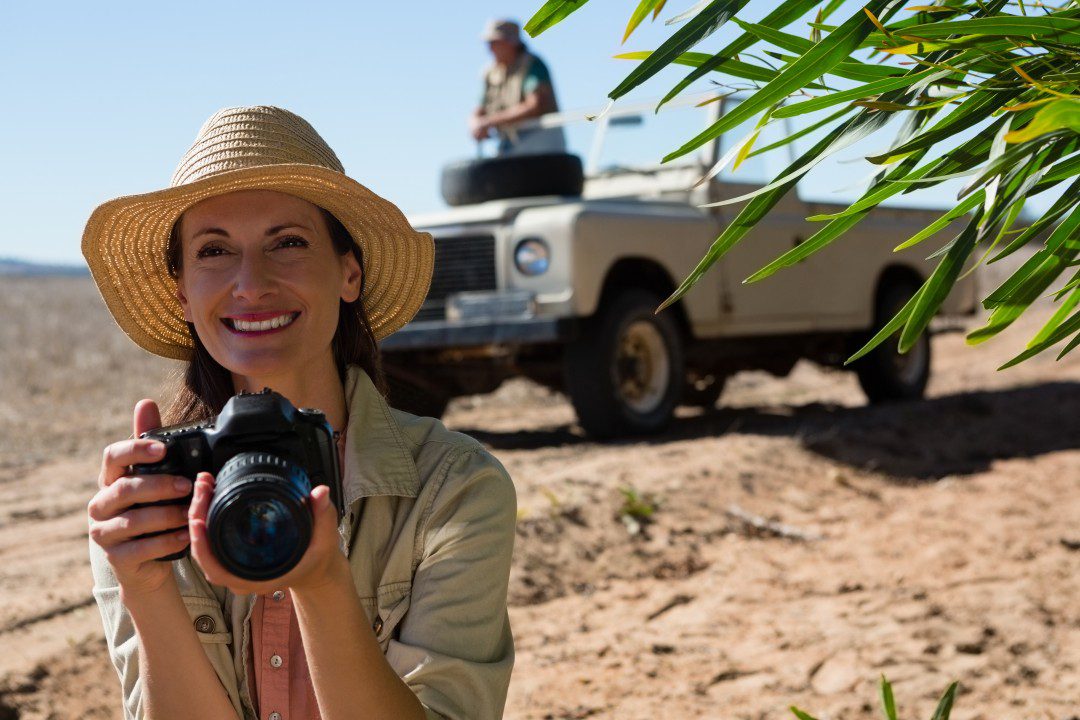
An additional fee, typically 25-50%, is charged to solo travelers occupying a room priced for double occupancy. An experienced operator can identify specific properties and off-peak seasons that waive or reduce this fee.
Which African country is best for a first solo safari?
Kenya and Tanzania offer the most established, solo-friendly infrastructure for classic wildlife safaris, while Rwanda’s compact size and safety make it particularly strong for combining a powerful gorilla trekking experience with independent city exploration.
Can I really do gorilla trekking as a solo traveler?
Yes, easily. Treks happen in fixed groups of up to eight people with ranger guidance, meaning solo travelers are automatically grouped with others booked independently, never genuinely alone during the experience.
How do I combine structured safari activities with independent solo exploration?
Build dedicated days into your itinerary around your anchor wildlife activity, specifically for exploring a nearby capital city or town, Kigali, Nairobi, or Arusha, all of which offer genuinely rewarding independent exploration well suited to solo travelers.