What to do in Lake Manyara National Park 2026?
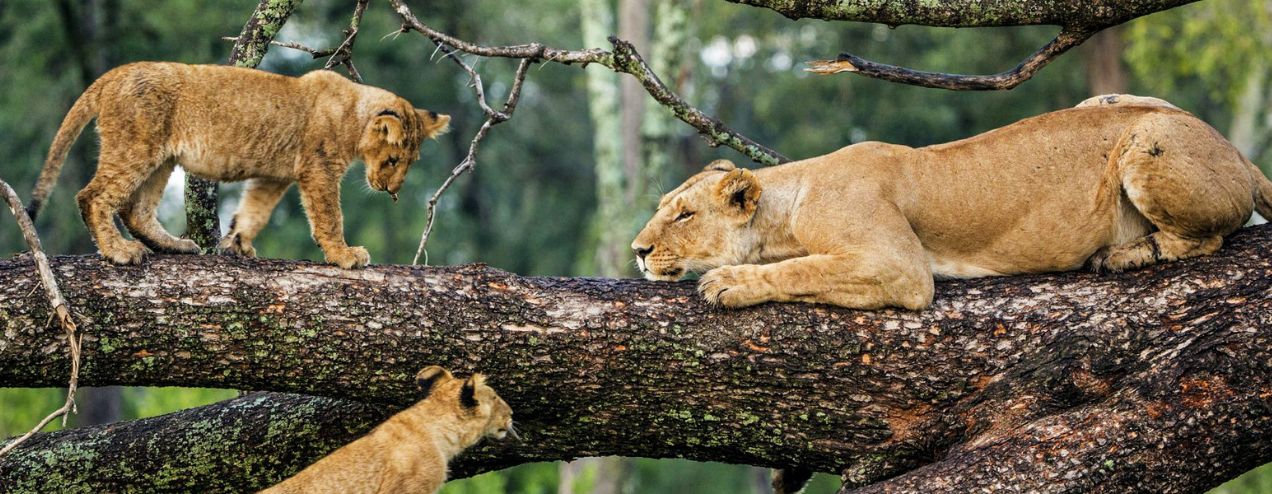
Lake Manyara National Park is one of the great wildlife destinations in Tanzania situated at the base of the Great Rift Valley, the park is renowned for the elusive and rare tree climbing lions which are sighted relaxing on lazily on branches of acacia trees.
Lake Manyara National Park is found in the Tanzania Northern Safari Circuit and is located along the way to Ngorongoro Conservation Area and Serengeti National Park. The park is found in Manyara regions, between Lake Manyara and the Great Rift Valley. From Arusha, Lake Manyara National Park can be reached on an hour and a half drive.
Lake Manyara National Park is a scenic national park covering an area of 330 square kilometers with two thirds (230 square kilometers) covered by the beautiful Lake Manyara.
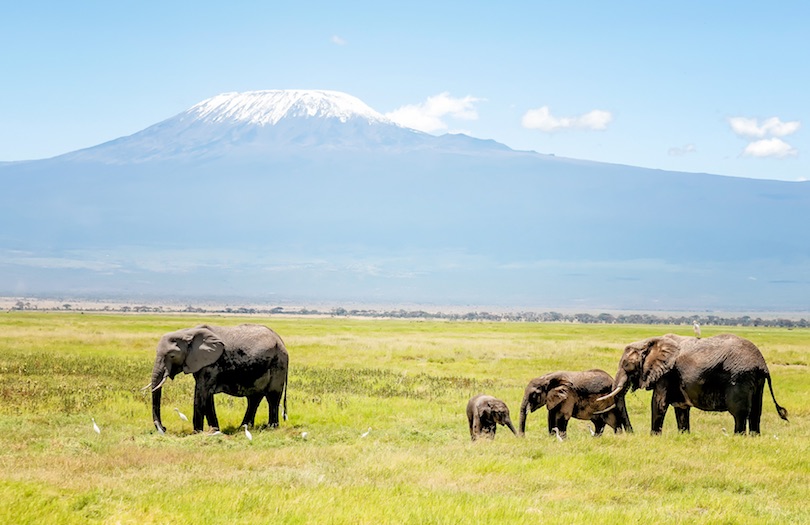
Lake Manyara National Park is one of the best Tanzania Wildlife Tours and one of the best places in the world to see elephants, Lake Manyara hosts one of the highest concentrations of elephants in Africa. These elephants were studied during the first long–term field study of elephants in the world and the findings were recorded in the book entitled “Among the Elephants by Iain and Oria Douglas-Hamilton.
HISTORY OF LAKE MANYARA NATIONAL PARK
Lake Manyara National Park’s name was derived from a plant called “Euphorbia tirucalli” locally known as “Emanyara” in the Maasai language, these tree species were by the Maasai people to protect their livestock from thieves, predators and poachers.
Lake Manyara National Park was used as grounds for sport hunting the is since 1920s, in 1957 the area was established as a game reserve and later given a status of a national park in 1960.
Lake Manyara National Park is part of the much larger Lake Manyara Biosphere Reserve established in 1981 by UNESCO as part of its Man and the Biosphere Programme.
Lake Manyara
At 470 square kilometers, Lake Manyara is the seventh-largest lake in Tanzania by surface area. The lake is a shallow alkaline lake at an altitude of 960 meters above the level and a maximum depth of 10 ft, the park covers two-thirds of the park.
Lake Manyara was formed as a result of the Great Rift Valley, as the rift grew wider, streams cascaded down the rift’s continually eroding slopes and pooled to form Lake Manyara.
Wildlife in Lake Manyara National Park
Lake Manyara National Park is a great wildlife destination and the only place in Tanzania to see the tree climbing lions and the largest concentration of elephants, the park is dominated by acacia woodlands which is a perfect home for array of wildlife.
Wildlife in Lake Manyara National Park include elephants, tree climbing lions, giraffes, leopards, impalas, banded mongoose, Kirk’s dik – dik, buffaloes, troops of baboons, klipspringer, Thomson’s gazelles, Grant’s gazelles, warthogs, bushbucks, waterbucks, African wild cat, spotted hyenas, black-backed jackals, bat-eared foxes, servals, honey badgers, African civet, genet (Genetta) species, several mongooses, Cheetahs and African golden among others.
Birdlife in Lake Manyara National Park
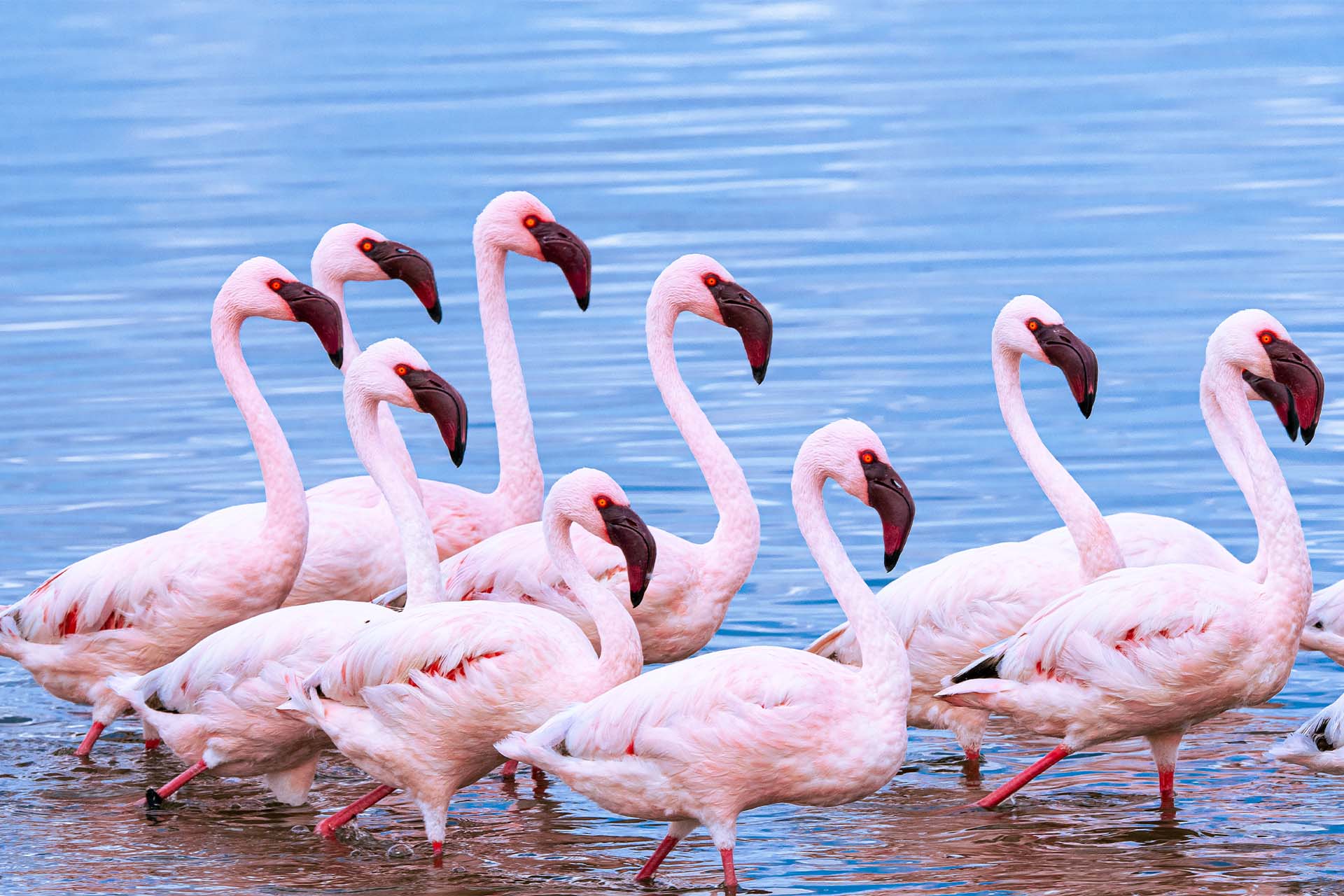
Lake Manyara National Park is a birder’s haven with over 400 species of birds making it a great destination for Tanzania bird watching safaris, the park is famous for flocks of thousands of flamingoes found along the edge of Lake Manyara most especially in the wet season.
Birds in Lake Manyara National Park include Abdim’s stork, African fish eagle, African grey hornbill, African hawk eagle, African jacana, African spoonbill, Baglafecht weaver, Comb duck, Crowned eagle, Great white pelican, Greater flamingo, Grey crowned crane, Hamerkop, Hottentot teal, Lesser flamingo, Little stint, Pied avocet, Pied kingfisher, Pink-backed pelican, Sacred ibis, Saddle-billed stork, Silvery-cheeked hornbill, Southern ground hornbill, Spur-winged goose, Von der Decken’s hornbill and Yellow-billed stork among others.
SAFARI ACTIVITIES TO DO IN LAKE MANYARA NATIONAL PARK
GAME DRIVES
Game drives in Lake Manyara National Park are done both day and night, the game drives are conducted on several game viewing circuits running through the park’s expanse of lush jungle – like groundwater forest. Some of the animals to lookout for during game drives in Lake Manyara National Park include blue monkeys, large tusked elephants, the impressive and legendary tree climbing lions, klipspringers, kirk’s dik dik among others.
BIRD WATCHING
Lake Manyara National Park offers a perfect bird watching experience in Tanzania, with more than 400 species recorded in the park including thousands of pink – hued flamingos make the park a birder’s paradise.
Some of the birds to look out on a bird watching safari in Lake Manyara National Park include Abdim’s stork, African fish eagle, African grey hornbill, African hawk eagle, African jacana, African spoonbill, Baglafecht weaver, Comb duck, Crowned eagle, Great white pelican, Greater flamingo, Grey crowned crane, Hamerkop, Hottentot teal, Lesser flamingo, Little stint, Pied avocet, Pied kingfisher, Pink-backed pelican, Sacred ibis, Saddle-billed stork, Silvery-cheeked hornbill, Southern ground hornbill, Spur-winged goose, Von der Decken’s hornbill and Yellow-billed stork among others.
HIKING AND NATURE WALKS
Hiking and nature walk in Lake Manyara National Park offers visitors a close encounter with the wildlife in the park, visit some of the magnificent attractions which you cannot access by vehicle such as the Maji Moto hot springs which has water at an average temperature of 60℃.
On foot, you will be able to track animals led by a guide and an armed ranger for protection purpose, some of the animals to lookout for include giraffes, baboons, warthogs among others. You will also visit Lake Manyara whose shores are crowded by large numbers of pink-hued flamingoes.
CANOEING
Canoeing in Lake Manyara National Park is done of Lake Manyara most especially when the water levels are high, this experience is perfect for birds as it offers you a closeup encounter with many water birds hiding in swamps and papyrus vegetation such as pink flamingoes, cormorants, herons among others.
CULTURAL TOURS
Cultural Tours in Lake Manyara National Park take you on a visit to the Masai people which are renowned for being one of the few tribes in Africa with traditions and cultures that have not been affected by technology and modernity. On your visit, you will be entertained by local dances and drama, taste the local cuisine, mingle with the locals giving you a deeper understanding about their rich culture and traditions.
BEST TIME TO VISIT LAKE MANYARA NATIONAL PARK
Lake Manyara National Park is a year-round destination; however the best time of the year to visit the park for a Tanzania safari is during the dry season which runs from June to October. In these months, there is a it of sunshine thus reducing the dangers of getting infected by malaria. Since most watering holes dry up, animals congregate along the remaining watering holes in large numbers thus providing excellent views of them.
HOW TO GET TO LAKE MANYARA NATIONAL PARK
Lake Manyara National Park is located in the northern part of Tanzania, approximately 126 kilometers west of Arusha Town which is the starting point for safaris to the Northern Tanzania Safari Circuit where the park is located.
Tourists can get to the park for a Tanzania safari by Road and Air.
By Road – from Arusha Town, it is a distance of 126 kilometers to the park with a drive through Mto wa Mbu, by road you can reach the park in a drive of approximately 2 hours.
By Air – there are domestic and chartered flights from Arusha Airport to Lake Manyara Airport, the flights are operated by various local operators such as Regional Air.
WHERE TO STAY IN LAKE MANYARA NATIONAL PARK
There is a wide range of accommodation options in Lake Manyara National Park ranging from Luxury safari lodges and camps to midrange to budget, some of the top accommodation options in the park include
- Lake Manyara Safari Lodge
- Escarpment Luxury Lodge Manyara
- Lake Manyara Kilimamoja Lodge
- AndBeyond Lake Manyara Tree Lodge
- Manyara Wildlife Safari Camp
- Kirurumu Manyara Lodge
- Burudika Manyara Lodge
- Twiga Camp