12 Days Tanzania Adventure safari : The Great Wildebeest Migration is one of the most incredible natural spectacles on Earth, with millions of wildebeest, zebras, and other animals moving across the Serengeti in Tanzania and the Masai Mara in Kenya
Itinerary
Day 1 – Arrival to Arusha
Upon arrival in Arusha, you will be met and warmly received by our professional safari guide who will transfer you to your lodge for a briefing and overnight
Dinner and overnight at Pazuri Inn Lodge
Day 2 – Transfer to Tarangire NP -Full day Game Drive
You will have a relaxed Breakfast in the morning at Pazuri Inn Lodge and transfer to Tarangire National Park with picnic lunches ready for the 2 full day game drives at Tarangire.
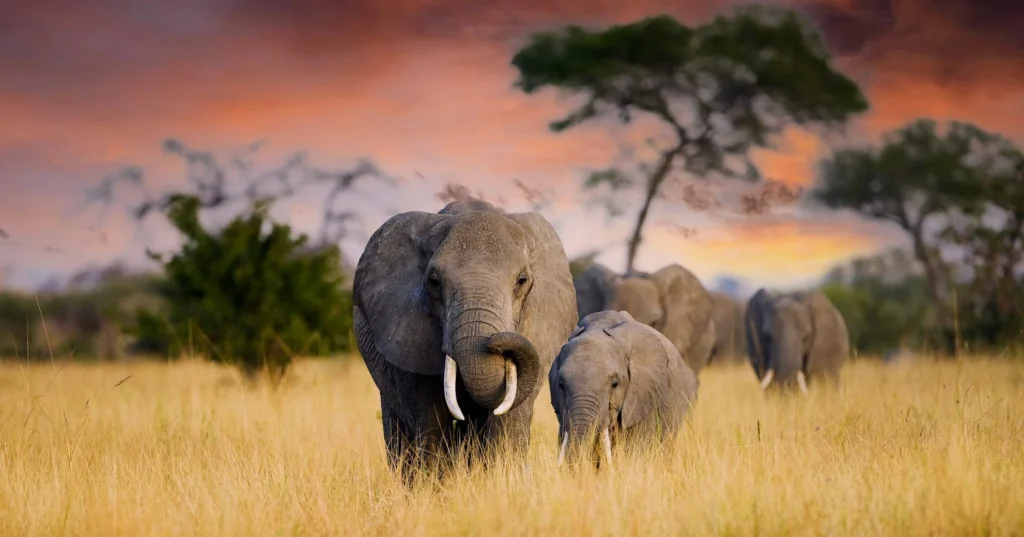
The vast number of baobab trees and a large herd of Elephants will catch your attention as you enter the Tarangire gates.
Tarangire is far from being the biggest of the Tanzanian parks, but its unrivaled landscape of open plains, dotted with thousands of baobabs, is unforgettable. About 120 km south of Arusha, Tarangire is also known for its very big herds of buffalo. This is one of Africa’s little-known gems and should be on the itinerary of all lovers of wilderness and solitude. The game numbers are staggering: 30,000 zebra, 25,000 wildebeest, 5,000 buffalo, 3,000 elephants, 2,500 Maasai giraffes, and over 1,000 fringe-are oryx (gemsbok). Predators include lion, cheetah, and leopard. Birders will want to look out for the endemic ashy starling, rufous-tailed weaver, and black-collared lovebird.
Dinner and overnight at Tarangire Simba Lodge
Day 3 – Full Day game drive at Tarangire NP
You will have a relaxed Breakfast in the morning at your lodge before we drive to the park headquarters for clearing and go for a full day game drive in search for the big game.
Dinner and overnight at Tarangire Simba Lodge
Transfer to Ngorongoro crater with an en-route game drive in Lake Manyara National Park
Breakfast at leisure at Tarangire Simba Lodge, followed by a two hours’ drive to Lake Manyara, where you will arrive by mid-day with packed lunches for an afternoon game drive in Lake Manyara National Park whose inhabitants include hippos, monkeys, tree climbing lions, flamingos, and a sizeable variety of birdlife.
Lake Manyara National Park is one of the most diverse of Tanzania’s national parks, a tiny (325km², about 205sq miles) combining the Rift Valley, Lake, dense woodlands, and steep mountainside. This park is very famous for its tree-climbing pythons and tree-climbing lions, which spend most of the day, spread out along the branches of Acacia trees six to seven meters above the ground. Manyara is a birding paradise (more than 380 species recorded), especially for waterfowl and migrants. The forests are one of the best places around to see leopards NO guarantees though. Lions hunt on the grassy shores of the lake. The park is also particularly noted for its huge herds of buffalo and elephants, as well as giraffes, impalas, hippos, and a great variety of smaller animals.
Late afternoon, proceed to Ngorongoro driving to your lodge for dinner and overnight.
Dinner and overnight at Ngorongoro Kuhama Lodge
The Ngorongoro Crater is 2,286m above sea level and is the largest unbroken caldera in the world. Ngorongoro is surrounded by very steep walls rising 600 meters from the crater floor. The crater was declared a World Heritage Site. The views at the rim are sensational. On the crater floor, grassland blends into swamps, lakes, rivers, woodland, and mountains – all a heaven for wildlife, including the densest predator population in Africa.
The crater is home to up to 25,000 large mammals, mainly grazers – gazelle, buffalo, eland, hartebeest, and warthog. You will not find giraffes as there is not much to eat at tree level, or topi, because the competition with wildebeest is too fierce, nor will you find impala. The crater elephants are strangely, mainly bulls. There are a small number of black rhinos here too. The birdlife is largely seasonal and is also affected by the ratio of soda to fresh water in Lake Magadi on the crater floor.
Dinner and overnight at Ngorongoro Kuhama Lodge.
Experience the spectacular Mara River Crossing event of the Great Migration. Wake up call and get up early for coffee/tea at the lodge and depart to the Northern Serengeti, ready for three full days experiencing the Great Migration, and the ever-beautiful scene of the Great Migration crossing Mara River.
The Great Migration is one of the most remarkable natural events on the planet which involves over 1.5 million wildebeests, along with hundreds of thousands of zebras and gazelles, making it the largest land animal migration in the world. The migration follows a circular route that spans approximately 800 kilometers (500 miles) and encompasses the Serengeti National Park in Tanzania and the Maasai Mara National Reserve in Kenya. It is a continuous cycle DICTATED by the EVER-CHANGING SEASONS and the availability of food/pastures and water making it a NO guarantee event.
Meanwhile, Mara River Crossing is one of the most dramatic and iconic events of the Great Migration. It occurs when millions of wildebeests, zebras, and other herbivores attempt to cross the Mara River, which marks the border between Tanzania’s Serengeti National Park and Kenya’s Maasai Mara National Reserve. It typically takes place between late June and mid-October, during the dry season (keeping other factors constant) , as the herds move northward in search of greener pastures. The river crossing is fraught with danger as the animals face swift currents, steep banks, and lurking crocodiles. The scene is chaotic and often filled by the sounds of splashing, bellowing, and predators seizing their opportunity. Crocodiles lie in wait, snapping at the struggling animals, while lions and other predators lurk on the opposite bank, ready to attack on the weakened or disoriented prey.
Dinner and overnight at Acacia Migration Camp
Depart early in the morning from your lodge with packed lunch and drive to Mara River. This is the stadium for the wildebeest migration. Its unique to see these animals jump in to the river as the big Nile crocodiles keep watch. The day is action packed and makes you not even to feel hungry. we return back to our lodge late.
Today is a new day with and new experience for another action around Mara river
Today wake up early and we check out of the lodge after breakfast. We then drive back to central Serengeti in Seronera area with enroute game drive. We enjoy great view of the big game like lions, leopards, and others. after the game drive we proceed to the lodge for relaxing evening.
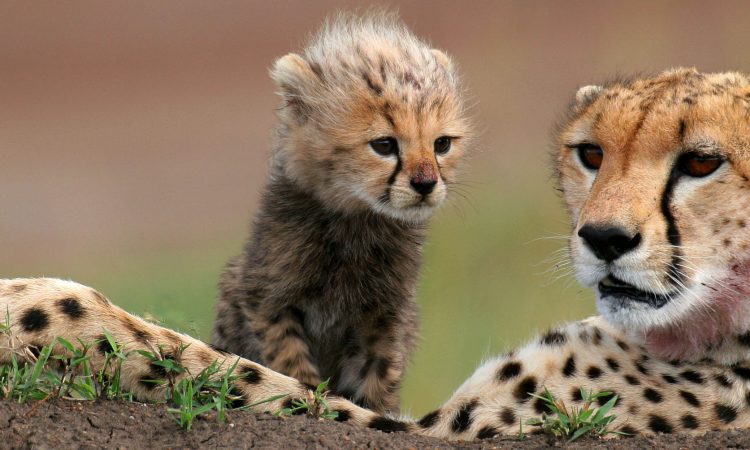
Full day game drives in Central Serengeti National Park, ready for another three full days exploring central Serengeti. Serengeti National Park is one of the best-known wildlife sanctuaries in the world. It covers an area of about 14763sq km, with various vegetation, grassy plains, savannah acacia lands, wooden hills, and mountains which are the backdrops for an extraordinary concentration of animals that reaches its peak during the wildebeest migration.
It is said to be around 2 million wildebeests in Serengeti that migrate every year from Maasai Mara plains. The best time to see the wildebeest migration is from December to July, and the best time to see predators is from June to October. Serengeti is among the world’s remaining natural wildlife refuges. The name comes from the Maasai ‘Siringet’, meaning endless plains, and is equal in size to Northern Ireland. The Park contains an estimated three million large animals, most of which take part in seasonal migration which makes it one of nature’s wonders.
Dinner and overnight at Tanzania Bush Camp
Have another great time of game view at the center of Serengeti National Park. Serengeti National Park never disappoints with possibility of seeing all the African Big 5.
End of Trip.